Gardening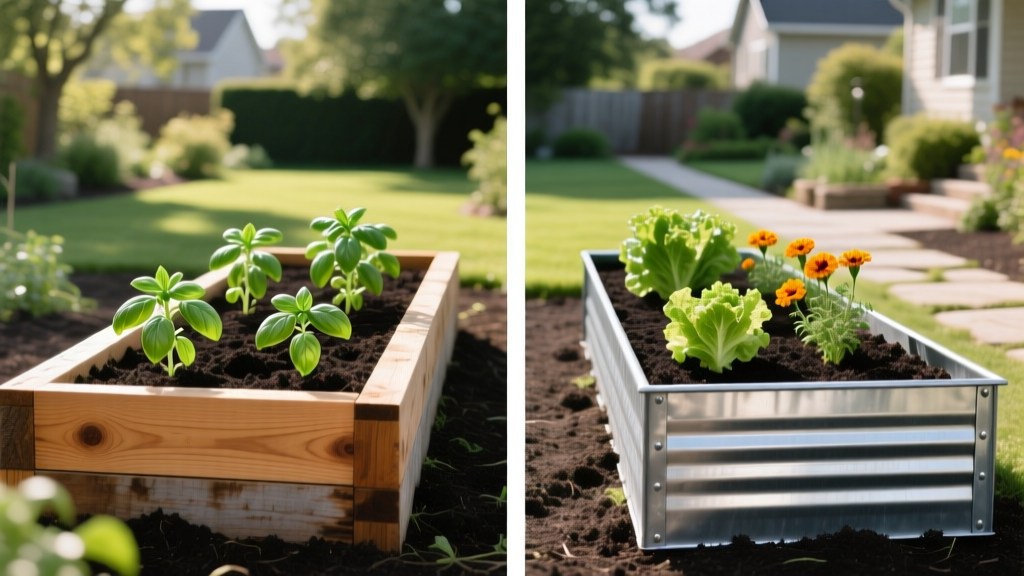
Cedar vs Galvanized Steel Raised Beds: Expert Review
James MillerPublished
The Great Raised Bed Debate: Wood vs. Metal
When it comes to elevated vegetable gardening, selecting the right material for your raised beds is a decision that will impact your garden's productivity, aesthetic, and your wallet for years to come. Over the past decade, the gardening industry has seen a massive shift. While traditional wooden beds have long been the gold standard, modern galvanized steel and Aluzinc beds have surged in popularity. But which material truly deserves a spot in your backyard?
In this comprehensive product review and comparison, we are pitting natural cedar wood against modular galvanized steel raised beds. We will break down specific product lines, assembly requirements, long-term costs, and soil health impacts to help you make the most informed decision for your gardening zone and budget.
Cedar Raised Garden Beds: The Traditional Choice
Cedar has been the premier wood for outdoor garden structures for decades. Unlike pine, which rots quickly when exposed to moisture and soil, cedar contains natural oils that make it highly resistant to decay, rot, and insect damage. The most popular product in this category is the Greenes Fence Dovetail Cedar Raised Garden Bed, widely available at most home improvement stores.
Pros of Cedar Wood
- Aesthetic Appeal: Cedar offers a classic, natural look that blends seamlessly into traditional garden landscapes.
- Insulation: Wood is a natural insulator. It protects plant roots from extreme temperature fluctuations, keeping soil cooler in the summer and warmer in the winter.
- Customizability: Cedar is incredibly easy to modify. You can drill holes for trellis supports, attach row covers, or cut the wood to fit irregular garden spaces.
Cons and Considerations
The primary drawback of cedar is its lifespan and maintenance. Even premium cedar will eventually succumb to the elements. In wet climates, the bottom boards in direct contact with the soil will begin to rot within 5 to 7 years. Additionally, cedar requires annual maintenance, such as applying raw linseed oil, to prevent it from weathering to a silvery-gray color (though many gardeners actually prefer this weathered look).
Cost & Specs: A standard 4 ft. x 8 ft. x 10.5 in. Greenes Fence cedar kit typically costs between $110 and $130. It holds approximately 28 cubic feet of soil (just over 1 cubic yard).
Galvanized Steel Raised Beds: The Modern Contender
Galvanized steel, and more specifically Aluzinc (an aluminum-zinc alloy coating), has revolutionized the raised bed market. Brands like Vego Garden and Birdies Raised Beds offer modular, corrugated steel kits that are incredibly durable. These beds are typically coated with a zinc-aluminum-magnesium layer that prevents rust and corrosion far better than traditional galvanized steel.
Pros of Galvanized Steel
- Exceptional Longevity: High-quality Aluzinc steel beds can last 20 to 30 years without rotting, warping, or cracking.
- Deeper Soil Profiles: Steel beds are frequently sold in 17-inch or 32-inch heights. This extra depth is ideal for deep-rooted crops like carrots, parsnips, and tomatoes, and it drastically reduces the need to bend over, making it highly ergonomic.
- Pest Resistance: Steel is completely impervious to termites, carpenter ants, and burrowing rodents that might chew through wooden walls.
Cons and Considerations
Steel beds are not without their flaws. The most significant issue is heat conduction. Metal absorbs and radiates heat rapidly. In hot climates (USDA Zones 8-11), the edges of the soil can become hot enough to stress shallow-rooted plants or dry out the perimeter soil quickly. Furthermore, the edges of the metal panels can be sharp, posing a hazard to children or careless gardeners, though premium brands now include rubber edge-guards.
Cost & Specs: A Vego Garden modular 17-inch tall bed (configured to roughly 4 ft. x 8 ft.) costs between $160 and $200. Due to the height, it requires roughly 48 cubic feet of soil (nearly 2 cubic yards), which significantly increases your initial soil fill cost.
Head-to-Head Comparison Chart
To help you visualize the differences, here is a structured comparison between a standard 4x8 Cedar Kit and a 4x8 Modular Steel Kit.
| Feature | Cedar Wood (10.5 in. Tall) | Galvanized Steel (17 in. Tall) |
|---|---|---|
| Initial Kit Cost | $110 - $130 | $160 - $200 |
| Soil Fill Cost | ~$150 (1 cubic yard) | ~$300 (1.8 cubic yards) |
| Estimated Lifespan | 5 - 10 Years | 20 - 30+ Years |
| Assembly Time | 30 - 45 Minutes | 1.5 - 2 Hours |
| Tools Required | Rubber Mallet | Socket Wrench, Drill, Gloves |
| Heat Retention | Low (Insulates roots) | High (Heats perimeter soil) |
| Modularity | Fixed dimensions | Highly configurable shapes |
Soil Temperature and Plant Health
One of the most critical factors in vegetable gardening is soil temperature. Seeds like tomatoes and peppers require warm soil to germinate, while cool-season crops like spinach and radishes prefer cooler earth. According to planting guides published by The Old Farmer's Almanac, soil temperature dictates nutrient uptake and microbial activity.
Steel raised beds act as a thermal mass. In the early spring, the metal sides absorb the sun's rays, warming the soil weeks faster than wooden beds. This allows gardeners in northern climates to transplant seedlings earlier. However, in the peak of summer, that same thermal conductivity can bake the outer three inches of soil. Actionable Advice: If you choose steel beds in a hot climate, plant heat-loving crops like peppers and eggplants near the edges, and keep delicate lettuces in the cooler center of the bed.
Addressing the Toxicity Myth: Is Steel Safe?
A common concern among organic gardeners is whether galvanized steel will leach toxic heavy metals into the soil. It is vital to separate fact from fiction here. Modern Aluzinc and galvanized coatings use zinc to prevent rust. Zinc is actually an essential micronutrient required for plant growth. According to research and guidelines from Penn State Extension, the amount of zinc that might leach into the soil is negligible and completely safe for growing edible crops, provided your soil pH is maintained between 6.0 and 7.0. Highly acidic soils (below pH 5.5) can accelerate the breakdown of the zinc coating, so regular soil testing and the application of garden lime are recommended if you use metal beds.
Assembly, Liners, and Maintenance Requirements
The assembly processes for these two materials are vastly different. Cedar beds, particularly dovetail models, slide together without the need for screws. You simply stack the boards and tap them into place with a rubber mallet. It is a quick, 30-minute job that requires minimal physical effort.
Steel beds, on the other hand, require bolting together multiple corrugated panels, corner brackets, and safety edging using a socket wrench. It can take two people up to two hours to assemble a large modular bed. Furthermore, you must line the bottom of both beds to prevent weeds and gophers. While landscape fabric works for the bottom, Gardeners' Path recommends using heavy-duty galvanized hardware cloth (wire mesh) at the base of your beds if burrowing pests are an issue in your region.
Pro Tip: Never use pressure-treated lumber (like MCA or ACQ treated pine) for raised beds where you intend to grow food, as the chemical preservatives can leach into your soil over time. Stick to untreated cedar, redwood, or food-safe coated steel.
Final Verdict: Which Should You Buy?
The choice between cedar and galvanized steel ultimately comes down to your budget, your physical capabilities, and your long-term gardening goals.
Choose Cedar if: You are on a strict initial budget, prefer a traditional rustic aesthetic, want a lightweight bed that is easy to assemble alone, or live in an extremely hot climate where metal beds might overheat your plant roots.
Choose Galvanized Steel if: You view your garden as a long-term investment, struggle with back pain and need a taller 17-inch bed to avoid bending, deal with heavy termite or rodent pressure, or want the flexibility to reconfigure your bed shapes in future seasons.
Both materials will yield fantastic harvests if filled with a high-quality soil blend of topsoil, compost, and aeration materials. Whichever you choose, your transition to raised bed gardening will drastically improve your drainage, soil structure, and overall vegetable yields.
