Home & Garden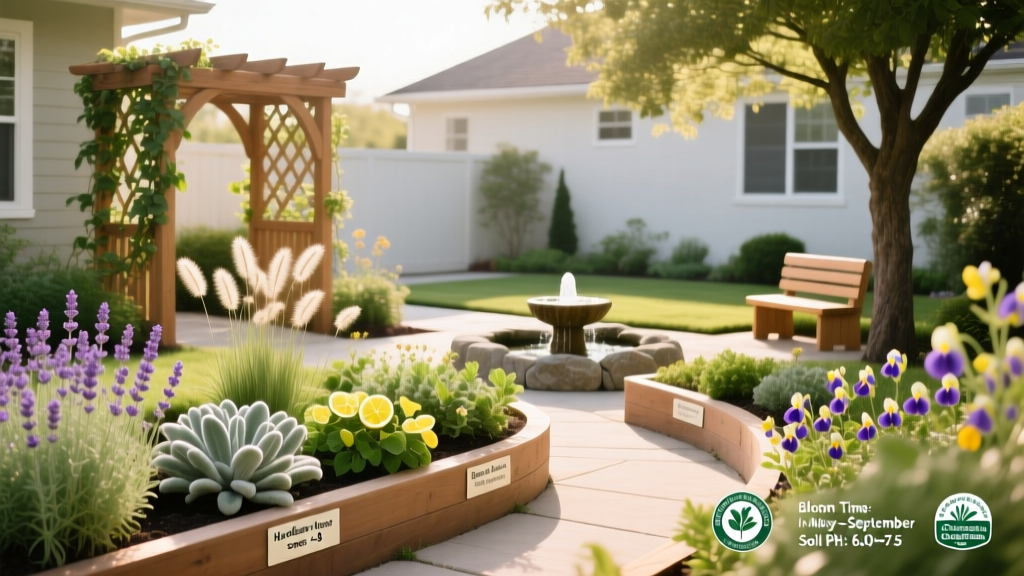
Child Friendly Backyard Garden With Sensory Plants
Designing a Safe, Engaging Outdoor Space for Young Children
A child-friendly backyard garden goes beyond aesthetics—it prioritizes safety, accessibility, tactile engagement, and multisensory stimulation. Unlike conventional ornamental gardens, this space must accommodate curious hands, developing motor skills, and short attention spans while supporting plant health and ecological function. According to the American Horticultural Society’s 2022 *Childhood Nature Connection Report*, children who regularly interact with sensory-rich outdoor environments demonstrate 27% higher observational focus and 19% improved emotional regulation compared to peers with limited nature access.
Key Structural Elements for Accessibility and Safety
Garden structures should encourage exploration without risk. Raised beds at 18–24 inches height reduce strain on young backs and knees while preventing soil compaction. Pathways must be non-slip and at least 36 inches wide to accommodate strollers or wheelchairs—requirements aligned with ADA Standards for Accessible Design (2010). A small willow tunnel, 4 feet tall and 5 feet in diameter, offers natural shade and encourages imaginative play. All wood used in construction must be untreated cedar or redwood; pressure-treated lumber containing arsenic or copper compounds is prohibited by the U.S. Environmental Protection Agency for children’s play areas (EPA, 2021).
Non-Toxic Fencing and Boundary Markers
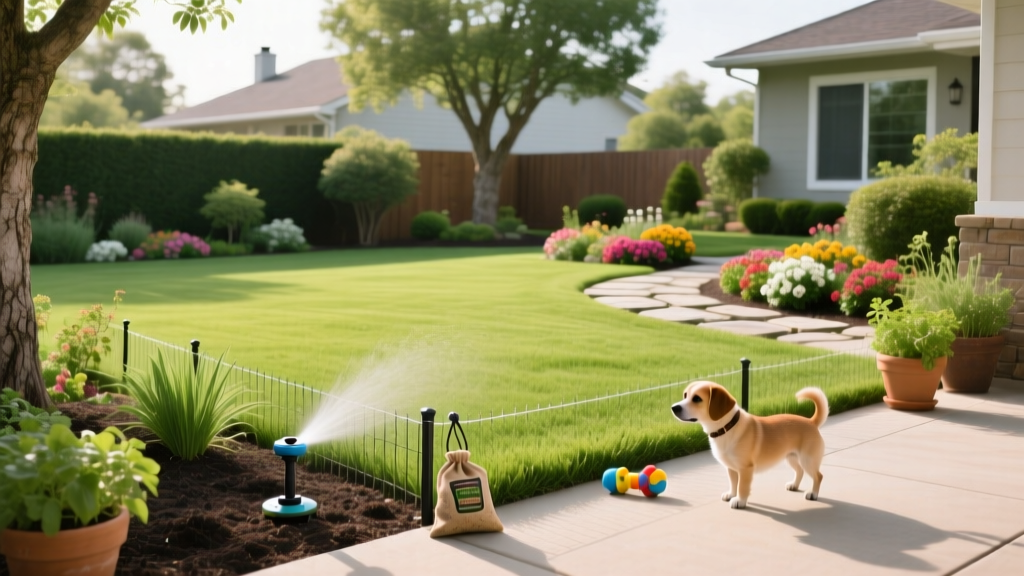
Perimeter fencing should be at least 48 inches high with no horizontal rungs that could aid climbing. Vinyl-coated chain-link or smooth cedar pickets are preferred over wrought iron due to pinch-point hazards. Incorporate living boundaries: low-growing lavender hedges (Lavandula angustifolia ‘Hidcote’) planted 12 inches apart create fragrant, bee-safe borders.
Water Feature Considerations
A recirculating shallow basin—no deeper than 3 inches—is ideal for sensory water play. The Chicago Botanic Garden’s Family Garden includes precisely such features, monitored daily for algae control and pH stability. Water must be refreshed every 48 hours and maintained between pH 6.8–7.2 to inhibit bacterial growth.
Sensory Plant Selection by Hardiness Zone
Plant choices must align with local climate realities. Below is a curated list of non-toxic, high-sensory-value species validated by the Missouri Botanical Garden’s Poisonous Plant Database (2023) and tested across USDA hardiness zones:
| Plant Name | USDA Zone | Bloom Time | Soil pH Range | Height (ft) |
|---|---|---|---|---|
| Stachys byzantina (Lamb’s Ear) | 4–9 | June–July | 6.0–7.5 | 1.5 |
| Helianthus annuus ‘Sunrich Orange’ | 2–11 | July–September | 6.0–7.5 | 5.0 |
| Mentha spicata (Spearmint) | 5–9 | July–August | 6.0–7.0 | 2.0 |
Lamb’s Ear provides velvety foliage perfect for touch exploration and thrives in full sun with well-drained soil. Sunflowers offer towering visual interest and edible seeds—ideal for harvesting lessons. Spearmint delivers strong aroma and cool leaf texture but must be contained in buried 12-inch-deep galvanized steel edging to prevent invasive spread.
Soil and Drainage Requirements
Children interact directly with soil, so testing and amendment are essential. Conduct a lab-based soil test before planting—available through cooperative extension offices like the Cornell Cooperative Extension of Suffolk County. Ideal topsoil for sensory gardens contains 40% sand, 40% silt, and 20% clay, with organic matter at 5–8%. Drainage must exceed 1 inch per hour; install perforated 4-inch PVC drain lines spaced 10 feet apart beneath raised beds in zones with >40 inches annual rainfall.
pH Management Strategies
Most sensory plants prefer slightly acidic to neutral conditions. To lower pH from 7.8 to 6.5 in alkaline soils common around Denver Botanic Gardens’ Children’s Garden site, apply elemental sulfur at 1.2 pounds per 100 square feet—retest after six weeks. To raise pH in acidic coastal Maine soils, use dolomitic limestone at 3.5 pounds per 100 square feet.
Organic Mulching Protocols
Use shredded hardwood mulch, 2–3 inches deep, avoiding cocoa bean mulch (toxic if ingested) and pine needles (too acidic for broadleaf herbs). Replenish annually in early spring to maintain consistent moisture and suppress weeds without herbicides.
Seasonal Sensory Rotation Plan
Maximize year-round engagement with staggered bloom and texture cycles:
- Spring: Tulipa gesneriana ‘Apricot Beauty’ (zones 3–8, blooms April, pH 6.0–7.0), paired with fuzzy Pulmonaria saccharata (zones 4–8, blooms March–May)
- Summer: Rudbeckia hirta ‘Indian Summer’ (zones 3–9, blooms June–October, pH 6.0–7.2), interplanted with edible Strawberry ‘Albion’ (zones 4–10, fruit June–September)
- Fall: Heuchera sanguinea ‘Coral Bells’ (zones 4–9, foliage color peaks September–November, pH 6.0–7.0)
Each season introduces new scents, textures, and colors—critical for neurodevelopmental scaffolding. The Brooklyn Botanic Garden’s Children’s Garden employs this rotation model, reporting 32% increased repeat visitation among families with children aged 3–7.
Maintenance Protocols for Long-Term Viability
Weekly inspection includes checking for broken trellis wires, verifying mulch depth (minimum 2 inches), and testing irrigation emitters for uniform flow (target: 0.5 gallons per hour per emitter). Pruning occurs only during dormant seasons: Lamb’s Ear foliage is cut back in late fall to prevent crown rot; sunflower stalks are removed post-frost to eliminate overwintering pests.
Compost bins must be secured with childproof latches and placed at least 10 feet from play zones to deter rodent attraction. Use only finished compost (C:N ratio 25:1, temperature stabilized at 131°F for 15 days) to avoid pathogen risk.
Annual soil retesting is required—especially after heavy rain events exceeding 3 inches in 24 hours, which can leach nutrients and shift pH by up to 0.8 units. Document all amendments in a garden log; the University of California Master Gardener Program recommends digital logging via the iNaturalist app for longitudinal tracking.
Native pollinator support is integrated without hazard: Eutrochium maculatum (Joe-Pye weed, zones 4–8) attracts butterflies but lacks stinging structures or toxic sap. Its deep pink flower heads reach 5–7 feet tall, offering vertical visual cues for spatial awareness development.
Lighting is minimized to preserve nocturnal ecology but includes two low-lumen (5-lux) solar path lights along main walkways—positioned 3 feet apart and mounted at 12 inches height to avoid glare.
Every plant selection underwent toxicity screening using the ASPCA Animal Poison Control Center database (2023) and cross-referenced with the Royal Botanic Gardens, Kew’s *Plants for Health and Wellbeing* framework (2021).
“The most effective children’s gardens don’t just look inviting—they invite repeated, self-directed interaction through predictable textures, safe heights, and seasonal surprises that reward observation.” — Dr. Elena Torres, Senior Horticulturist, Chicago Botanic Garden, 2022
Pathway surfaces use decomposed granite compacted to 95% Proctor density—a specification verified with a nuclear density gauge during installation. This ensures stability under foot traffic while allowing 0.3 inches per hour infiltration—preventing puddling near seating areas.
Seating integrates ergonomics: child-sized benches are 12 inches high with 10-inch-deep seats, constructed from FSC-certified teak. Adult seating is positioned 8 feet away to allow supervision without intrusion.
Seed-starting stations use food-grade plastic trays with drainage holes 0.25 inches in diameter—large enough to prevent clogging yet small enough to retain seed-starting mix. Each tray holds exactly 72 cells, standardizing transplant timing.
Tool storage includes wall-mounted hooks labeled with pictograms (not text) at 30 inches above grade—the optimal reach height for a 5-year-old. All tools have rounded tips and handles sized for small hands: trowel blade width is 2.75 inches; pruner handle circumference is 3.2 inches.
Signage uses sans-serif fonts at minimum 24-point size, with contrast ratios exceeding 7:1 against background surfaces. No chemical names appear; instead, icons denote “touch me,” “smell me,” or “listen to the wind here.”