Tree Care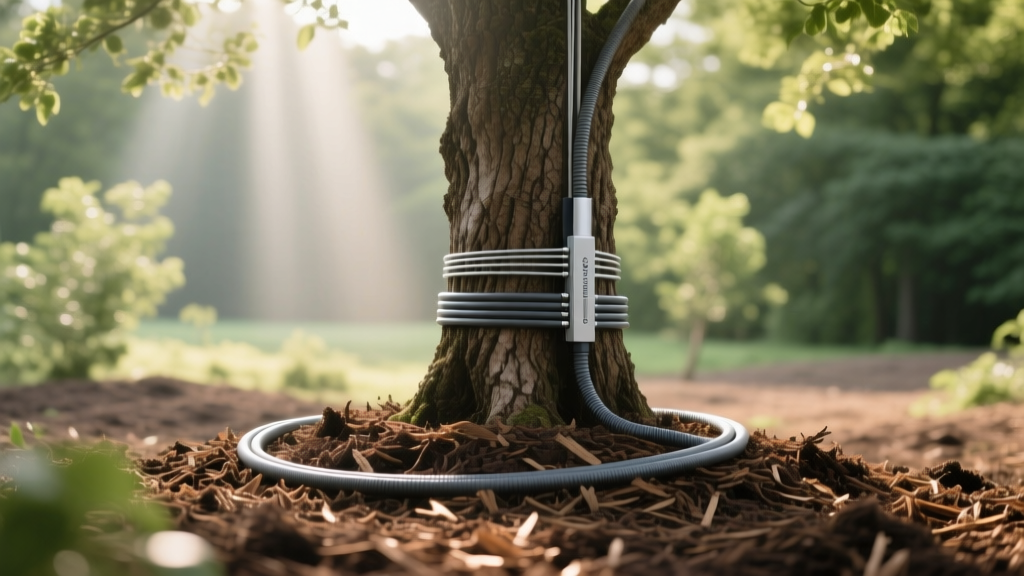
Cobra Dynamic Cabling And Mulching Methods For 2026
James MillerPublished
Holistic Tree Stability: Combining Canopy Support and Root Zone Care
As we navigate the 2026 tree care season, extreme weather patterns and increasingly severe storm systems have made proactive tree management an absolute necessity for homeowners and municipal arborists alike. When safeguarding mature, historic, or structurally compromised trees, relying on a single method of support is no longer sufficient. The modern arboricultural standard demands a holistic approach that addresses both the above-ground canopy and the below-ground root plate. This comprehensive guide explores the powerful synergy between the Cobra dynamic support system for tree cabling and bracing, and the critical mulching methods and materials required to ensure total tree stability.
Many property owners make the mistake of investing heavily in canopy cabling while entirely neglecting the root zone. A tree is only as stable as its foundation. If the root system is suffocating under improper mulch or compacted soil, the most advanced cabling system in the world will not prevent a catastrophic uprooting event during a severe microburst. By integrating the Cobra dynamic cabling system with scientifically backed mulching methods, you create a dual-support network that protects your property and preserves the health of your most valuable landscape assets.
Understanding the Cobra Dynamic Support System
Traditional tree cabling often involved drilling holes through branches and installing rigid, static steel cables. While this prevented branches from falling, it also restricted natural movement, which stunted the tree's ability to grow reaction wood—the dense, structural tissue trees produce in response to wind stress. Furthermore, steel cables can girdle growing branches and act as lightning conductors, posing severe risks to the tree and surrounding structures.
The Cobra dynamic support system has revolutionized above-ground tree bracing. Utilizing high-strength, hollow-braided polyester ropes, the Cobra system is entirely non-invasive. It is installed using specialized eyelets and loops that hug the branches without penetrating the wood or restricting the vascular cambium. The dynamic nature of the rope allows the tree to sway naturally in moderate winds, stimulating the growth of reaction wood and strengthening the tree's natural architecture. However, during extreme wind events or when a branch reaches a critical failure angle, the Cobra rope tightens and engages built-in shock absorbers, safely dissipating the kinetic energy and preventing structural failure.
The Missing Link: Why Cabled Trees Require Premium Mulching
While the Cobra system brilliantly secures the canopy, it does nothing to anchor the root plate. According to the International Society of Arboriculture, the vast majority of tree failures during storms are not caused by snapping trunks, but by root plate upheaval and soil shear. This is where our focus on mulching methods and materials becomes paramount.
Proper mulching regulates soil temperature, retains vital moisture during the increasingly common summer droughts of 2026, and prevents soil compaction from heavy landscaping equipment. More importantly, as organic mulch decomposes, it feeds the mycorrhizal fungi network that acts as an extension of the tree's root system, drastically improving soil structure and root anchorage. If you are installing a Cobra dynamic system to save a vulnerable tree, you must simultaneously optimize its root zone through proper mulching.
Top Mulching Materials for Cabled Trees in 2026
Selecting the right mulch is critical. The wrong material can trap excess moisture against the root flare, leading to root rot and negating the benefits of your canopy support system. Here are the top recommended mulching materials for structurally compromised trees this year:
- Arborist Wood Chips: The undisputed gold standard for 2026. Sourced from local tree trimming operations, these chips contain a mix of wood, bark, and leaves. They break down slowly, provide excellent soil aeration, and foster robust fungal networks. They are often available for free from local arborists.
- Composted Leaf Mold: Highly effective for moisture retention and adding gentle, slow-release nutrients to the soil. Leaf mold is particularly beneficial for older, declining trees that need a biological boost to regenerate fine feeder roots.
- Pine Bark Nuggets: While aesthetically pleasing and long-lasting, bark nuggets are best reserved for flat terrain. On sloped properties, they tend to wash away during heavy rains, exposing the critical root flare and leading to soil erosion.
- Rubber Mulch (Avoid): Despite its longevity, rubber mulch is heavily discouraged by modern arborists. It leaches toxic compounds into the soil, retains excessive heat that can bake shallow feeder roots, and offers zero biological benefits to the soil food web.
Step-by-Step Implementation Guide: Cabling and Mulching
To achieve maximum stability, follow this integrated installation protocol. Always consult with an ISA Certified Arborist for the canopy assessment and Cobra installation, as improper placement can cause more harm than good.
Phase 1: Canopy Assessment and Cobra Installation
- Risk Assessment: The arborist will identify codominant stems, included bark, or overextended lateral limbs that require support.
- Hardware Selection: Select the appropriate Cobra rope diameter (typically 8mm to 16mm) based on the weight and diameter of the limbs being supported.
- Non-Invasive Rigging: Install the Cobra hollow braided ropes using the proprietary friction-locking splicing technique. No drills or lag bolts are used.
- Shock Absorber Integration: Ensure the integrated shock-absorbing loops are properly seated to allow for the necessary dynamic movement.
Phase 2: Applying the 3-3-3 Mulching Method
Once the canopy is secured, shift your focus to the ground. The Arbor Day Foundation strongly advocates against 'volcano mulching,' a common landscaping error that smothers the root flare and invites fatal fungal pathogens.
- Clear the Root Flare: Carefully excavate any existing soil, old mulch, or grass that is covering the root flare (the area where the trunk widens at the base). The root flare must be visible and exposed to the air.
- Measure the Radius: Extend your mulch ring at least 3 feet from the trunk in all directions, though extending to the drip line is ideal for maximum root zone benefits.
- Apply the Material: Spread your chosen organic mulch (like arborist wood chips) to a depth of exactly 3 inches.
- Maintain the Gap: Keep the mulch at least 3 inches away from the actual bark of the trunk to prevent moisture buildup and rodent damage.
Comparison Chart: Mulch Types and Root Anchorage Benefits
Understanding how different materials affect the root plate will help you make the best decision for your specific property and tree species.
| Mulch Material | Moisture Retention | Soil Aeration | 2026 Avg. Cost | Root Anchorage Benefit |
|---|---|---|---|---|
| Arborist Wood Chips | High | Excellent | Free - $15/yd³ | Superior; promotes deep rooting and mycorrhizal growth |
| Composted Leaf Mold | Very High | Good | $25 - $40/yd³ | High; encourages rapid fine root regeneration |
| Pine Bark Nuggets | Moderate | Moderate | $45 - $60/yd³ | Low; can create hydrophobic layers if applied too thickly |
| Shredded Hardwood | High | Poor | $30 - $45/yd³ | Moderate; tends to mat down and restrict oxygen flow |
2026 Maintenance and Inspection Protocols
Installing a Cobra dynamic system and applying a perfect layer of mulch is not a 'set it and forget it' solution. Trees are living, growing organisms that require ongoing monitoring, especially as climate volatility increases.
Canopy Inspections: The Cobra system should be visually inspected by a certified arborist every 12 to 18 months. They will check for UV degradation on the polyester ropes, ensure the branches have not outgrown the loops, and verify that the shock absorbers have not been permanently deployed by a past storm event. Most Cobra hardware is rated for 8 to 12 years of continuous outdoor exposure before replacement is recommended.
Mulch Refreshing: Organic mulch decomposes over time, continually feeding the soil biology. According to the University of Minnesota Extension, you should check your mulch depth annually in the early spring. If the layer has decomposed to less than 2 inches, apply a fresh 1-inch top dressing to maintain the optimal 3-inch depth. Never simply pile new mulch on top of old, compacted layers without first breaking up the matted material, as this will restrict oxygen and water penetration to the root plate.
Conclusion
Securing a vulnerable tree requires a comprehensive strategy that addresses the entire organism. By combining the advanced, non-invasive engineering of the Cobra dynamic support system with meticulous, biologically sound mulching methods, you provide your trees with the ultimate defense against the unpredictable weather of 2026 and beyond. This dual approach not only prevents catastrophic property damage but also promotes the long-term vitality and structural integrity of your landscape's most magnificent giants.