Tree Care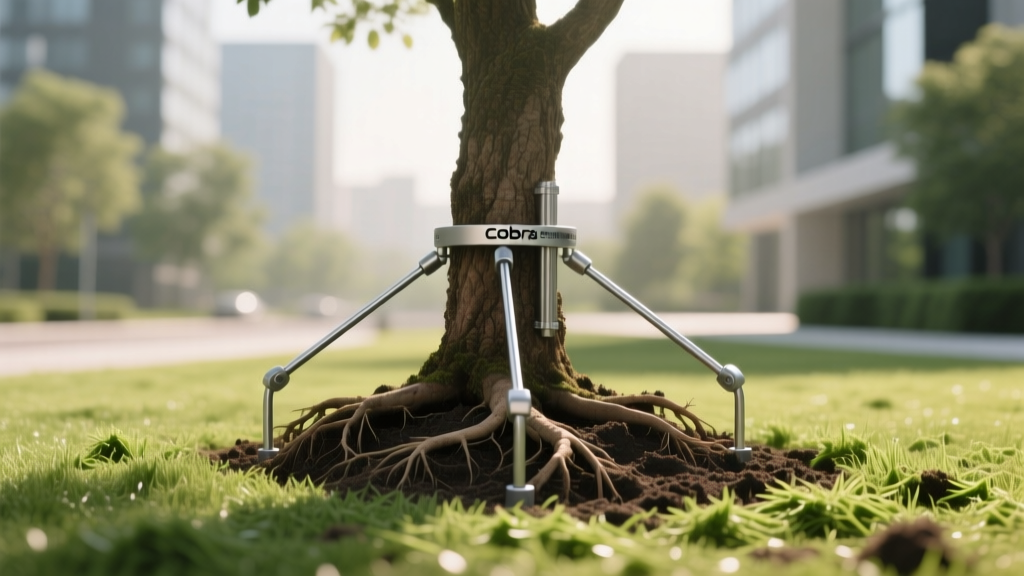
2026 Cobra Dynamic Tree Cabling & Lawn Aeration Guide
David ParkPublished
The Evolution of Tree Stability and Lawn Health in 2026
As we navigate the increasingly unpredictable weather patterns and severe wind events of 2026, homeowners and certified arborists are prioritizing tree stability like never before. However, modern arboriculture has revealed a critical missing link in tree preservation: the health of the soil and turf surrounding the tree. When a mature tree requires structural support, it is often a symptom of a compromised root plate caused by years of soil compaction from standard lawn care. Today, the gold standard for preserving at-risk trees involves a holistic approach that pairs the industry-leading Cobra Dynamic Support System with specialized root zone aeration and strategic lawn seeding.
Treating the canopy and the critical root zone (CRZ) as a single, interconnected ecosystem is the defining tree care philosophy of 2026. By understanding how dynamic cabling interacts with soil oxygenation and turf competition, you can save vulnerable trees while maintaining a lush, resilient lawn.
Understanding the Cobra Dynamic Support System
Unlike traditional static steel cabling, which rigidly locks branches in place and can cause wood to become brittle over time, the Cobra Dynamic Support System is engineered to mimic nature. Developed in Europe and now a global standard, Cobra utilizes high-strength, UV-stabilized hollow polypropylene ropes and integrated shock absorbers. This dynamic setup allows the tree to sway naturally in the wind. This natural movement stimulates the tree to produce reaction wood, effectively allowing the tree to build its own structural strength over time.
According to the International Society of Arboriculture (ISA), dynamic cabling systems are vastly superior for preserving the long-term biological health of a tree. Because the Cobra system uses non-invasive loops rather than drilling lag screws directly into the cambium, it eliminates the entry points for wood-decaying fungi and pests. However, while the Cobra system secures the canopy, it cannot fix the underlying issue that made the tree vulnerable in the first place: a shallow, suffocated root system trapped beneath compacted lawn soil.
The Hidden Link: Soil Compaction and Tree Stability
Why do trees in residential lawns fail during storms more often than those in natural forests? The answer lies in the turf. Standard lawn maintenance, foot traffic, and the use of heavy mowing equipment lead to severe soil compaction. The University of Minnesota Extension notes that compacted soil lacks the pore space necessary for oxygen and water infiltration, forcing tree roots to grow horizontally near the surface rather than establishing deep, anchoring taproots.
When an arborist recommends the Cobra Dynamic Support System, it is frequently because the tree lacks the deep root anchorage required to support its own canopy. If you install a dynamic cabling system without addressing the compacted soil below, you are merely applying a bandage to a systemic issue. To achieve true stability in 2026, arborists are now mandating concurrent root zone aeration and specialized overseeding to restore the soil sponge and protect the newly exposed root flare.
Step-by-Step Integration: Aeration, Seeding, and Cabling
Step 1: Pneumatic Root Zone Aeration
Traditional mechanical core aeration—the kind used for standard lawn care—is strictly forbidden within the Critical Root Zone of a compromised tree. The steel tines of a mechanical aerator can sever the fragile surface roots that are keeping the tree alive. Instead, 2026 best practices dictate the use of an AirSpade or similar pneumatic excavation tool. An AirSpade uses highly pressurized air to safely fracture and loosen compacted soil without damaging the root bark. Arborists typically perform radial trenching or broad-scale pneumatic aeration out to the tree's drip line, incorporating organic compost to immediately boost soil biology and oxygen levels.
Step 2: Installing the Cobra Dynamic System
With the soil loosened and the root plate secured, the arborist will ascend the canopy to install the Cobra system. The polypropylene ropes are looped around the target branches using specialized rubber sleeves to prevent bark abrasion. The shock absorbers are placed at precise intervals to ensure that during a 2026 microburst or high-wind event, the kinetic energy is dissipated safely, reducing the sheer force transferred to the newly aerated, recovering root plate.
Step 3: Overseeding the Critical Root Zone
Once the soil is aerated and the cabling is complete, the exposed soil must be protected from erosion and re-compaction. This is where specialized lawn seeding comes into play. You cannot simply plant aggressive Kentucky Bluegrass over a recovering root zone, as it will compete heavily for water and nutrients. In 2026, the top recommendation for seeding beneath cabled trees is a blend of fine fescues (such as creeping red fescue and hard fescue) mixed with micro-clover. These species are highly shade-tolerant, require minimal mowing, and have shallow, non-competitive root structures that hold the aerated soil in place without choking the tree's feeder roots. As highlighted by the Arbor Day Foundation, maintaining a healthy, non-competitive ground cover is essential for regulating soil temperature and retaining moisture for the tree.
2026 Comparison: Static Hardware vs. Cobra Dynamic
To understand why the integration of dynamic cabling and soil aeration is the preferred methodology, it helps to compare the Cobra system against outdated static steel hardware.
| Feature | Traditional Static Cabling (Steel) | Cobra Dynamic Support System |
|---|---|---|
| Material | Galvanized steel cables, lag screws | UV-stabilized hollow polypropylene ropes |
| Tree Movement | Restricts natural sway entirely | Allows dynamic sway, builds reaction wood |
| Root Zone Impact | High stress on roots during wind loads | Reduces root-plate shock, pairs with aeration |
| Installation Damage | Requires drilling into the cambium layer | Non-invasive loops, zero drilling required |
| Lifespan | 15-20 years (prone to rust/girdling) | 8-12 years (requires scheduled replacement) |
As the chart illustrates, the Cobra system's ability to reduce root-plate shock is exactly why it pairs so beautifully with pneumatic aeration. By allowing the tree to move, the stress on the newly aerated, healing root zone is minimized, giving the tree the biological breathing room it needs to establish deeper anchors over the next several growing seasons.
Cost Breakdown and Maintenance Expectations for 2026
Investing in a holistic tree preservation plan requires a clear understanding of current market rates. In 2026, the cost of a comprehensive Cobra installation, combined with root zone aeration and seeding, varies based on the size of the tree and the extent of soil compaction.
- Cobra Dynamic System Installation: Expect to pay between $450 and $850 per limb or union being supported. This includes the specialized hardware, shock absorbers, and the certified arborist's labor.
- Pneumatic AirSpade Aeration: Typically priced at $15 to $25 per inch of trunk diameter (measured at breast height). For a mature 30-inch oak, this equates to $450 to $750.
- Specialized CRZ Seeding & Compost Topdressing: Generally ranges from $1.50 to $3.00 per square foot of the critical root zone.
Maintenance for this integrated system is straightforward. The Cobra ropes and shock absorbers must be inspected annually and completely replaced every 8 to 12 years, as UV degradation eventually weakens the polypropylene. Meanwhile, the aerated and seeded lawn zone should be maintained with liquid aeration every two years to prevent re-compaction, ensuring the tree's roots continue their downward migration. By combining the structural ingenuity of the Cobra Dynamic Support System with the biological benefits of targeted aeration and smart seeding, you are providing your trees with the ultimate defense against the extreme weather of 2026 and beyond.