Gardening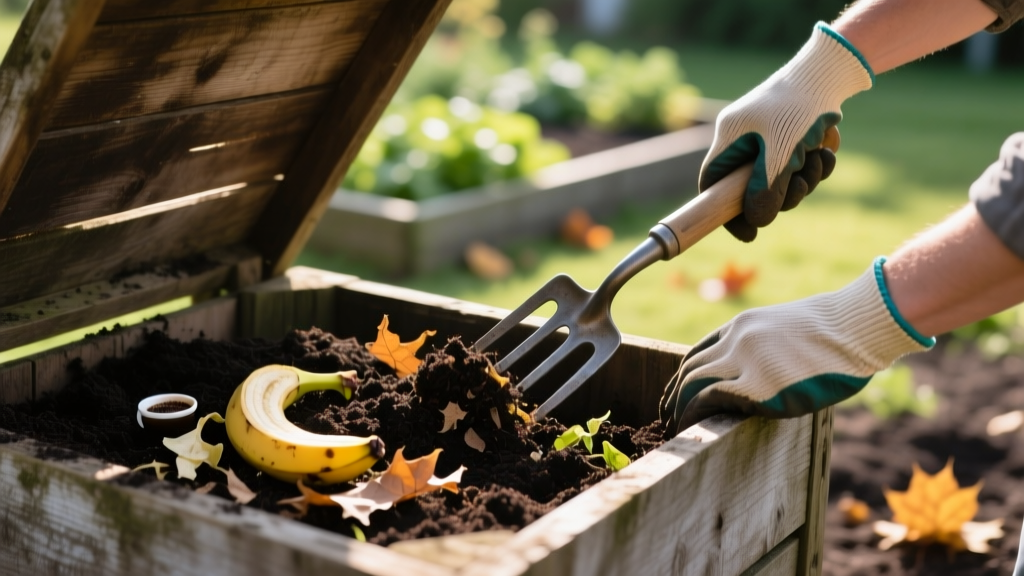
Composting Myths Busted: Fact vs Fiction for Gardeners
Robert HayesPublished
The Great Compost Debate: Separating Fact from Fiction
Composting is frequently hailed as the cornerstone of organic gardening, a natural alchemy that transforms kitchen scraps and yard waste into black gold. Yet, for every gardener who swears by their compost pile, there is a chorus of well-meaning but misguided advice echoing through garden centers and online forums. From rigid rules about what you can and cannot add, to misconceptions about the labor involved, composting myths often deter beginners and frustrate veterans. As a senior horticultural writer for LawnsGuide, I have spent years analyzing soil science and speaking with extension agents to separate horticultural fact from backyard fiction. In this comprehensive guide, we will bust the most pervasive composting myths, provide actionable data, and give you a scientifically backed roadmap to building the perfect compost pile for your vegetable and flower beds.
Myth 1: You Must Buy Expensive Activators and Specialized Bins
The Myth: To start a compost pile, you need to purchase a costly plastic tumbling bin and sprinkle commercial compost activators over every layer to kickstart the decomposition process.
The Fact: Nature has been composting without plastic tumblers or store-bought activators for millions of years. While enclosed bins offer aesthetic appeal and pest deterrence, a simple open pile or a DIY enclosure made from wooden pallets and chicken wire works just as effectively. Furthermore, commercial compost activators—which typically cost between $15 and $30 per bag—are largely unnecessary. These products usually contain dried microbes and a nitrogen source. According to the Penn State Extension, native soil and finished compost already teem with the exact bacteria and fungi required to break down organic matter. A single shovel-full of native garden soil or a scoop of finished compost from a friend's pile provides all the microbial inoculation you need, saving you money and reducing plastic waste.
Myth 2: Compost Piles Always Smell Bad and Attract Pests
The Myth: Composting is an inherently smelly endeavor that will inevitably attract rodents, raccoons, and swarms of flies to your yard.
The Fact: A properly managed compost pile should smell like rich, earthy forest soil, not a garbage dump. Foul odors (like ammonia or rotten eggs) are a clear biological indicator of anaerobic conditions, meaning the pile lacks oxygen or has too much moisture and nitrogen. When a pile goes anaerobic, odor-producing bacteria take over. To fix this, simply turn the pile with a pitchfork to introduce oxygen and mix in dry, carbon-rich 'browns' like shredded cardboard or dry leaves to absorb excess moisture. The Environmental Protection Agency (EPA) emphasizes that maintaining the correct Carbon-to-Nitrogen (C:N) ratio and adequate aeration completely eliminates bad smells and deters pests. To prevent rodents, always bury your nitrogen-rich kitchen scraps at least 6 to 8 inches deep into the center of the pile, and avoid adding meat, dairy, or oils, which are notorious pest magnets.
The Golden Ratio: Carbon vs. Nitrogen
Understanding the C:N ratio is the secret to odorless, efficient composting. Microbes need carbon for energy and nitrogen for protein synthesis. Aim for an overall ratio of roughly 30:1 by volume.
| Material Category | Common Examples | Approximate C:N Ratio | Role in the Pile |
|---|---|---|---|
| Browns (Carbon) | Dry Autumn Leaves | 50:1 | Provides energy, creates air pockets |
| Browns (Carbon) | Shredded Corrugated Cardboard | 300:1 | Bulking agent, absorbs excess moisture |
| Browns (Carbon) | Straw or Hay | 75:1 | Structural aeration, slow-release carbon |
| Greens (Nitrogen) | Fresh Grass Clippings | 20:1 | Provides protein, generates heat |
| Greens (Nitrogen) | Vegetable and Fruit Scraps | 15:1 | Moisture source, rapid microbial food |
| Greens (Nitrogen) | Coffee Grounds | 20:1 | Dense nitrogen source, attracts earthworms |
Myth 3: You Have to Turn the Pile Every Single Day
The Myth: If you do not turn your compost pile daily, it will stop decomposing and fail.
The Fact: Turning a compost pile introduces oxygen, which fuels the thermophilic (heat-loving) bacteria responsible for rapid breakdown. However, turning it every single day is actually counterproductive. According to research from the Cornell Waste Management Institute, frequent turning releases the accumulated heat that the microbes have generated. For a hot compost pile to effectively break down materials and kill weed seeds, the core temperature needs to reach and sustain between 130°F and 160°F. If you turn it daily, the core never stays hot long enough. The ideal schedule for hot composting is to turn the pile every 4 to 7 days, moving the outer, cooler materials into the hot center. If you prefer a low-effort approach, 'cold composting' requires zero turning; you simply add materials as you generate them and wait 12 to 18 months for nature to do the work.
Myth 4: Citrus Peels and Onions Will Ruin Your Compost
The Myth: The high acidity of citrus peels and the antibacterial properties of onions will kill the beneficial microbes and earthworms in your compost bin.
The Fact: This is a half-truth that depends entirely on your composting method. If you are practicing vermicomposting (using an enclosed bin with red wiggler worms), you should indeed limit citrus and onions, as worms have sensitive skin and prefer a near-neutral pH. However, in a standard outdoor compost pile, the microbial ecosystem is incredibly robust and diverse. Fungi and acid-tolerant bacteria will readily break down citrus and onions. As these materials decompose, their pH naturally neutralizes. To speed up the process and prevent localized acidic pockets, simply chop citrus rinds and onion skins into smaller pieces (1 to 2 inches) before tossing them in, and ensure they are well-mixed with carbon-heavy browns.
Myth 5: Diseased Plants and Weeds Should Never Be Composted
The Myth: Adding weeds that have gone to seed or plants suffering from fungal diseases (like powdery mildew or blight) will permanently infect your compost and spread the problems back into your garden.
The Fact: This is factually true for cold composting, but fiction when it comes to properly managed hot composting. Most weed seeds and common soil-borne pathogens are destroyed when exposed to sustained temperatures of 145°F or higher for at least three consecutive days. If you are actively managing a hot pile and using a compost thermometer to verify these temperatures, you can safely compost weeds and mildly diseased plants. However, if you are a casual, cold composter, or if your plants are suffering from severe, persistent soil-borne diseases like Verticillium wilt or clubroot, it is safest to dispose of them in your municipal green waste bin, where industrial composting facilities reach temperatures high enough to guarantee sterilization.
Actionable Guide: Building the Perfect 3x3x3 Compost Pile
Ready to start composting the right way? Follow this step-by-step blueprint to build a hot compost pile that yields finished humus in as little as 8 to 12 weeks.
- Step 1: Size it Right. Build a pile that is exactly 3 feet wide, 3 feet long, and 3 feet high (1 cubic yard). This specific volume provides the thermal mass necessary to insulate the core and trap microbial heat. Anything smaller will struggle to heat up; anything larger may restrict airflow to the center.
- Step 2: The Lasagna Layering Method. Start with a 4-inch base of coarse twigs or straw for bottom drainage. Alternate 4-inch layers of 'browns' (carbon) with 2-inch layers of 'greens' (nitrogen). Water each layer lightly as you build.
- Step 3: The Moisture Test. Your pile should feel like a wrung-out sponge—damp, but not dripping. If it is too dry, microbial activity halts. If it is too wet, it goes anaerobic. Aim for 40% to 60% moisture content.
- Step 4: Monitor and Turn. Insert a long-stemmed compost thermometer into the center. Once it hits 130°F, let it ride for 3 days, then turn the pile. Repeat this cycle until the pile no longer heats up after turning.
- Step 5: The Curing Phase. Once the temperature drops to ambient levels and the material is dark and crumbly, let the compost 'cure' for 2 to 4 weeks. This allows pH levels to stabilize and ensures it will not burn the tender roots of your seedlings.
Expert Tip: Keep a dedicated 5-gallon bucket with a tight-fitting lid next to your compost pile filled with dry leaves or shredded paper. Every time you add a bucket of wet kitchen scraps, immediately cover it with two buckets of your dry carbon stash. This 2:1 brown-to-green ratio by volume is the ultimate cheat code for an odorless, fast-acting compost pile.
Conclusion: Trust the Science, Not the Rumors
Gardening is deeply rooted in tradition, but when it comes to soil preparation and composting, science should dictate your methods. By ignoring the myths of expensive activators, daily turning, and the fear of citrus peels, you can save time, money, and frustration. Focus instead on the fundamentals: maintaining a balanced C:N ratio, ensuring proper aeration, and monitoring moisture levels. Whether you are preparing a raised bed for heirloom tomatoes or amending clay soil for a vibrant flower border, mastering the facts of composting will provide your garden with the ultimate foundation for long-term, sustainable growth.
