Gardening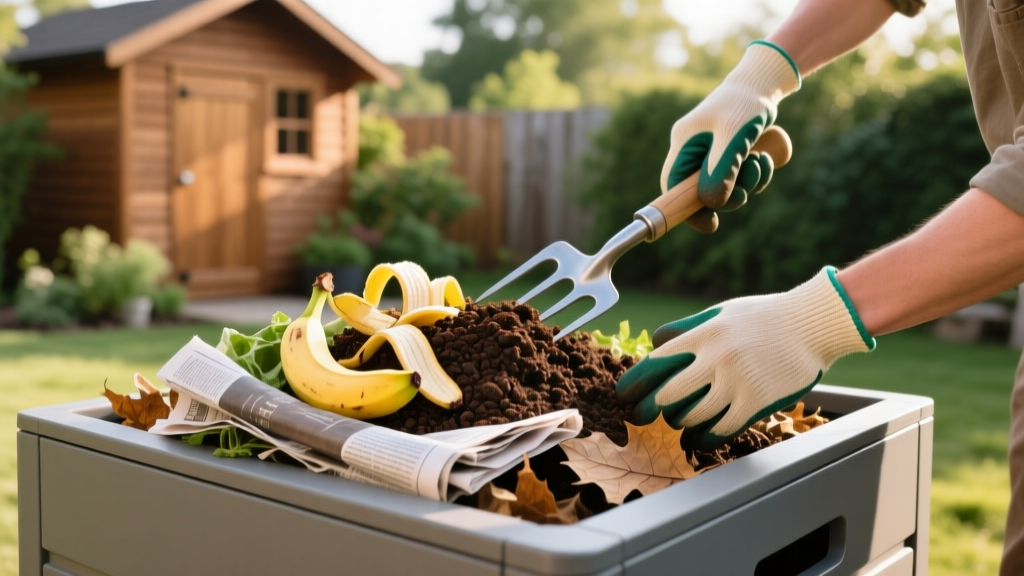
Composting Myths Busted: Fact vs Fiction for Home Gardeners
Mike RodriguezPublished
The Great Compost Debate: Separating Fact from Fiction
Composting is often heralded as the ultimate backyard recycling project, transforming kitchen scraps and yard waste into black gold for your garden. However, as with any popular horticultural practice, a tangled web of folklore, outdated advice, and outright myths has sprouted alongside the compost bins. Many home gardeners abandon their composting efforts out of frustration, believing they lack the expensive additives or the daily time commitment required to succeed. According to the United States Environmental Protection Agency (EPA), composting is a natural biological process that does not require a chemistry degree or a massive financial investment. In this article, we are digging deep into the most persistent composting myths, separating the fact from the fiction, and providing actionable, science-backed advice to help you build a thriving, low-maintenance compost system.
Myth 1: You Must Buy Commercial Compost Activators
The Fiction: To kickstart decomposition and ensure a healthy compost pile, you need to purchase expensive, store-bought compost activators or inoculants that contain special, proprietary blends of microbes.
The Fact: Commercial compost activators, which typically cost between $15 and $30 per bag, are largely unnecessary for the home gardener. The bacteria and fungi required to break down organic matter are already naturally present on the surfaces of your yard waste, in your soil, and in the air. What your compost pile actually needs is the correct balance of carbon and nitrogen, not a commercial microbe booster.
The Science of the Carbon-to-Nitrogen (C:N) Ratio
Microbes thrive when they have a balanced diet. The ideal C:N ratio for a compost pile is roughly 30:1. Carbon-rich materials (browns) provide energy, while nitrogen-rich materials (greens) provide the proteins needed for microbial reproduction. Instead of buying an activator, you can achieve this ratio for free:
- Browns (Carbon): Dry autumn leaves (C:N ratio of 60:1), shredded cardboard, straw, and small twigs.
- Greens (Nitrogen): Fresh grass clippings (C:N ratio of 20:1), vegetable scraps, and coffee grounds.
Actionable Advice: For a standard 3x3x3 foot compost bin (27 cubic feet), mix two parts browns to one part greens by volume. If you want a free, highly effective nitrogen 'activator' to speed up a sluggish pile, save your used coffee grounds or add a few shovelfuls of fresh manure from herbivores (like rabbits or horses). This costs $0 and works just as effectively as any commercial product.
Myth 2: Compost Piles Require Daily Turning
The Fiction: If you do not turn your compost pile with a pitchfork every single day, it will become anaerobic, rot, produce foul odors, and fail to break down.
The Fact: Turning a compost pile introduces oxygen, which fuels aerobic bacteria and accelerates the decomposition process. However, turning it daily is a recipe for burnout and is biologically unnecessary. In fact, turning a hot compost pile too frequently can release excess heat and moisture, stalling the microbial activity. As noted by the University of Minnesota Extension, a compost pile will eventually decompose even if it is never turned at all; it will simply take longer.
Turning Frequency vs. Decomposition Time
Understanding the relationship between aeration and time allows you to choose a composting method that fits your lifestyle. Below is a comparison chart of different composting approaches:
| Composting Method | Turning Frequency | Time to Finish | Peak Temperature |
|---|---|---|---|
| Hot Composting | Every 3 to 4 days | 3 to 6 weeks | 130°F - 160°F |
| Cold Composting | Never (or once a month) | 6 to 12 months | Ambient (70°F - 90°F) |
| Tumbler Bin | Every 2 to 3 days | 4 to 8 weeks | 110°F - 140°F |
Actionable Advice: If you want finished compost quickly to prepare for a spring vegetable garden, build a large 3x3x3 foot pile all at once, monitor the temperature with a long-stemmed compost thermometer, and turn it with a pitchfork only when the temperature drops below 110°F (usually every 3 to 4 days). If you prefer a low-maintenance approach, simply use the 'cold composting' method: continually add scraps to a bin and let nature take its course over a year.
Myth 3: Never Add Citrus Peels, Onions, or Meat to Compost
The Fiction: Citrus peels and onions will kill beneficial compost worms and bacteria due to their acidity and antibacterial properties, while meat and dairy will inevitably attract a plague of rats and maggots.
The Fact: This myth requires a nuanced breakdown, as it conflates traditional outdoor composting with indoor vermicomposting (worm bins). In a standard outdoor compost pile, citrus peels and onions are perfectly safe. While they do contain d-limonene (a compound toxic to some insects in high concentrations) and possess mild antibacterial properties, the sheer volume and microbial diversity of an outdoor pile easily buffer these effects. The real issue with citrus and onions is that they are dense and break down slowly.
The Bokashi Exception for Meat and Dairy
It is true that tossing a steak or a block of cheese into a standard cold compost pile will attract rodents, flies, and neighborhood scavengers. However, the invention of the Bokashi fermentation system has completely changed the rules. Bokashi is an anaerobic fermentation process that utilizes inoculated bran (infused with effective microorganisms or EM) to pickle organic waste.
Actionable Advice: Chop citrus peels and onions into 1-inch pieces before adding them to your outdoor bin to speed up decomposition. If you want to compost meat, dairy, and oily foods, invest in a Bokashi bin system. A 2-pound bag of Bokashi bran costs around $15 to $20 and will treat roughly 40 pounds of food waste. Layer your meat and dairy scraps with a tablespoon of bran, seal the airtight bucket, and drain the liquid every two days. After two weeks of indoor fermentation, the pre-composted matter can be safely buried in a garden trench without attracting pests.
Myth 4: Compost is a Complete Fertilizer
The Fiction: Adding compost to your garden beds means you never need to buy or apply additional fertilizers, as it contains all the nutrients your plants will ever need.
The Fact: Compost is a phenomenal soil amendment, but it is rarely a complete fertilizer. The primary benefit of compost lies in its ability to improve soil structure, increase water retention in sandy soils, improve drainage in clay soils, and boost the Cation Exchange Capacity (CEC) of the earth. However, the actual N-P-K (Nitrogen-Phosphorus-Potassium) value of finished compost is generally quite low, typically hovering around 1-1-1 or 2-1-1.
Supplementing for Heavy Feeders
While leafy greens and herbs might thrive on compost alone, heavy-feeding crops like tomatoes, peppers, and corn require higher levels of specific macronutrients during their flowering and fruiting stages. Relying solely on compost for these crops can lead to deficiencies, particularly in phosphorus and potassium.
Actionable Advice: Use compost as your foundational soil builder, applying a 2-inch layer (roughly 2.5 cubic yards per 1,000 square feet) before planting. Then, supplement with targeted organic fertilizers based on a soil test. For example, add bone meal (high in phosphorus) to the planting holes of your tomatoes to encourage strong root and fruit development, and use kelp meal (high in potassium and trace minerals) as a side-dress mid-season.
Conclusion
Composting is a forgiving, natural process that thrives on balance rather than rigid rules or expensive commercial products. By understanding the biological realities of the C:N ratio, choosing a turning schedule that fits your lifestyle, safely incorporating diverse food scraps, and recognizing the difference between soil amendments and fertilizers, you can optimize your backyard system. Stop stressing over the myths, start observing the biology in your bin, and enjoy the rich, dark humus that will naturally elevate your garden year after year. For further reading on advanced soil biology and composting metrics, the Cornell Waste Management Institute offers extensive, peer-reviewed resources for both home gardeners and commercial composters.
