Gardening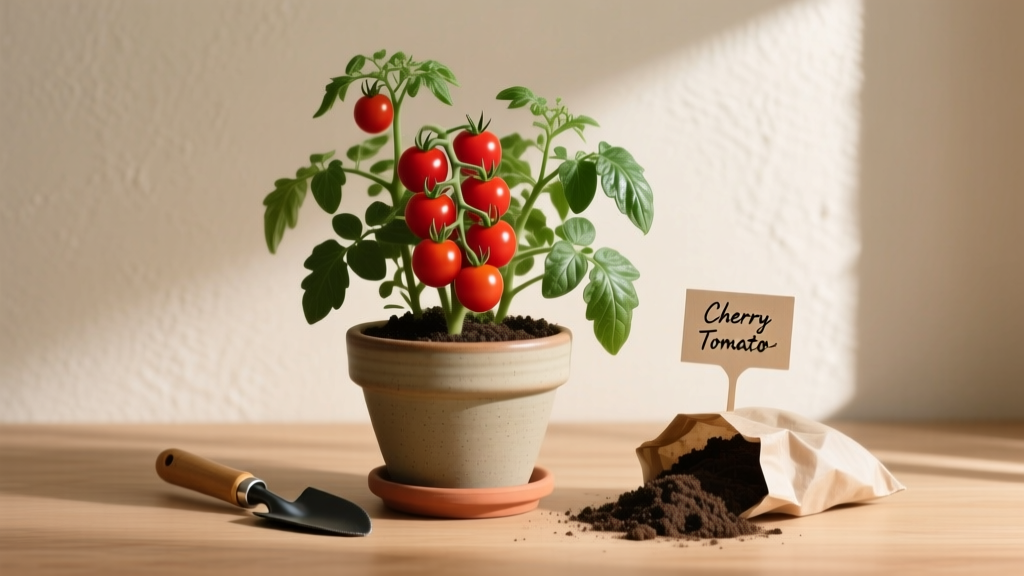
Beginner Guide to Growing Cherry Tomatoes in Containers
Anna KowalskiPublished
Container gardening is a fantastic entry point into the world of homegrown produce, and cherry tomatoes are arguably the most rewarding crop for novices. Unlike larger heirloom varieties that require massive plots and meticulous pruning, cherry tomatoes are prolific, resilient, and perfectly suited for small spaces like balconies, patios, and sunny windowsills. This beginner-friendly guide will walk you through everything you need to know to cultivate a thriving cherry tomato harvest in containers.
Why Cherry Tomatoes Are Perfect for Beginners
Cherry tomatoes are a fantastic choice for beginners due to their rapid growth cycle and high yield. A single healthy plant can produce hundreds of bite-sized fruits over a single growing season. Furthermore, their thin skins make them less prone to the cracking and splitting issues that often plague larger beefsteak tomatoes. Because they are naturally vigorous, they can withstand minor beginner mistakes, such as occasional under-watering or slight nutrient imbalances, making them a forgiving and encouraging first crop.
Selecting the Best Container and Soil Mix
Choosing the Right Pot
When it comes to containers, size and drainage are your top priorities. According to the University of Minnesota Extension, tomatoes have extensive root systems that require ample space to support heavy fruiting. For a single cherry tomato plant, choose a pot that holds at least 5 gallons of soil, though a 10-gallon container is ideal for indeterminate varieties. Ensure the container has multiple drainage holes at the bottom. Fabric grow bags are an excellent, budget-friendly option (usually costing between $2 and $5 each) because they promote air pruning, which prevents roots from circling and becoming pot-bound.
The Ideal Soil Recipe
Never use garden soil or topsoil in your containers. Garden soil is too dense, compacts easily in pots, and can harbor soil-borne diseases. Instead, invest in a high-quality, well-draining potting mix. You can create an optimal DIY blend by mixing 60% premium potting soil, 20% organic compost (to provide slow-release nutrients), and 20% perlite or vermiculite (to ensure adequate aeration and drainage). This lightweight mixture will cost roughly $15 to $25 per batch but will dramatically increase your chances of success.
Essential Tools for Container Gardening
- Hand Trowel: For digging and transferring soil.
- Pruning Snips: For clean cuts when harvesting or removing suckers.
- Watering Can or Hose Wand: A gentle spray nozzle prevents soil from splashing onto the lower leaves.
- Moisture Meter: An inexpensive tool (under $10) that takes the guesswork out of watering.
Top Cherry Tomato Varieties for Containers
Understanding the difference between determinate and indeterminate varieties is crucial for container gardening. Determinate (bush) varieties grow to a fixed height, produce fruit all at once, and require minimal staking. Indeterminate (vining) varieties grow continuously, produce fruit throughout the season, and require robust support structures.
| Variety | Growth Habit | Days to Maturity | Flavor Profile |
|---|---|---|---|
| Tiny Tim | Determinate | 45-50 Days | Sweet and Tangy |
| Patio Princess | Determinate | 60 Days | Classic Tomato |
| Sun Gold | Indeterminate | 57 Days | Super Sweet, Tropical |
| Sweet 100 | Indeterminate | 65 Days | Candy-like, Rich |
Step-by-Step Planting Instructions
Timing is everything when planting warm-season crops. Wait to transplant your seedlings outdoors until at least two weeks after your region's average last spring frost date. Soil temperatures should be consistently above 60°F.
Pro Tip: As noted by The Old Farmer's Almanac, planting tomatoes deeply encourages a stronger, more resilient root system. Bury the stem up to the first set of true leaves, as tomatoes will sprout adventitious roots all along the buried stem!
When planting, gently loosen the root ball before placing it in the soil. Water the plant thoroughly immediately after planting to eliminate air pockets and help the roots establish contact with the surrounding soil. Add a one-inch layer of organic mulch, such as straw or shredded leaves, to the top of the soil to retain moisture and suppress weeds.
Essential Care: Watering and Feeding
Watering Best Practices
Container plants dry out much faster than those in the ground, especially during the peak heat of summer. You may need to water your tomatoes daily, or even twice a day in extreme heat. The goal is to keep the soil consistently moist but never waterlogged. Stick your finger two inches into the soil; if it feels dry, it is time to water. Always water at the base of the plant to keep the foliage dry, which helps prevent fungal diseases.
Fertilizing Schedule
Because frequent watering leaches nutrients from the soil, container tomatoes are heavy feeders. Start with a balanced, water-soluble organic fertilizer (such as a 5-5-5 NPK ratio) applied at half-strength every two weeks. Once the plant begins to flower, switch to a fertilizer higher in phosphorus and potassium (like a 3-4-6 or tomato-specific blend) to promote fruit development and prevent excessive leafy growth. While synthetic fertilizers provide a quick nutrient boost, organic options like liquid kelp or fish emulsion build long-term soil health and improve the flavor of the fruit.
Supporting and Pruning Your Plants
Even compact determinate varieties benefit from support, while indeterminate types absolutely require it. For patio varieties like 'Tiny Tim', a small decorative wire cage is sufficient. For vining types like 'Sun Gold', use a sturdy wooden stake or a tall, heavy-duty tomato cage driven deep into the soil at the time of planting. Use soft garden twine to tie the main stem to the stake loosely, allowing room for the stem to expand as it grows. Prune the lower leaves that touch the soil to improve air circulation and reduce the risk of blight.
Troubleshooting Common Issues
Blossom End Rot
This condition appears as a dark, sunken, leathery spot on the bottom of the fruit. It is not caused by a pest, but rather a calcium deficiency in the developing fruit, almost always triggered by uneven watering. To prevent blossom end rot, Penn State Extension recommends maintaining consistent soil moisture and avoiding heavy nitrogen fertilizers, which can interfere with calcium uptake.
Aphids and Hornworms
Keep an eye out for aphids, which cluster on new growth and suck plant sap. They can be easily managed by blasting them off with a strong stream of water or applying insecticidal soap. Tomato hornworms are large green caterpillars that can strip a plant of its leaves overnight. Hand-picking them and dropping them into a bucket of soapy water is the most effective and organic control method.
Harvesting and Storing Your Bounty
Harvest your cherry tomatoes when they are fully colored and slightly soft to the touch. They should snap easily off the vine with a gentle twist. For the best flavor, allow the fruit to ripen fully on the plant. Store your harvested tomatoes at room temperature, out of direct sunlight. Never store fresh, uncut tomatoes in the refrigerator, as temperatures below 50°F break down the volatile compounds responsible for their signature aroma and flavor, resulting in a mealy texture.
Final Thoughts
Growing cherry tomatoes in containers is an incredibly satisfying endeavor that yields tangible, delicious results in just a few short months. By selecting the right pot, utilizing a premium soil mix, and maintaining consistent watering habits, even the most novice gardener can cultivate a thriving, productive tomato plant. Grab your pots, pick your favorite variety, and get ready to enjoy the unmatched taste of homegrown cherry tomatoes straight from your patio.
