Tree Care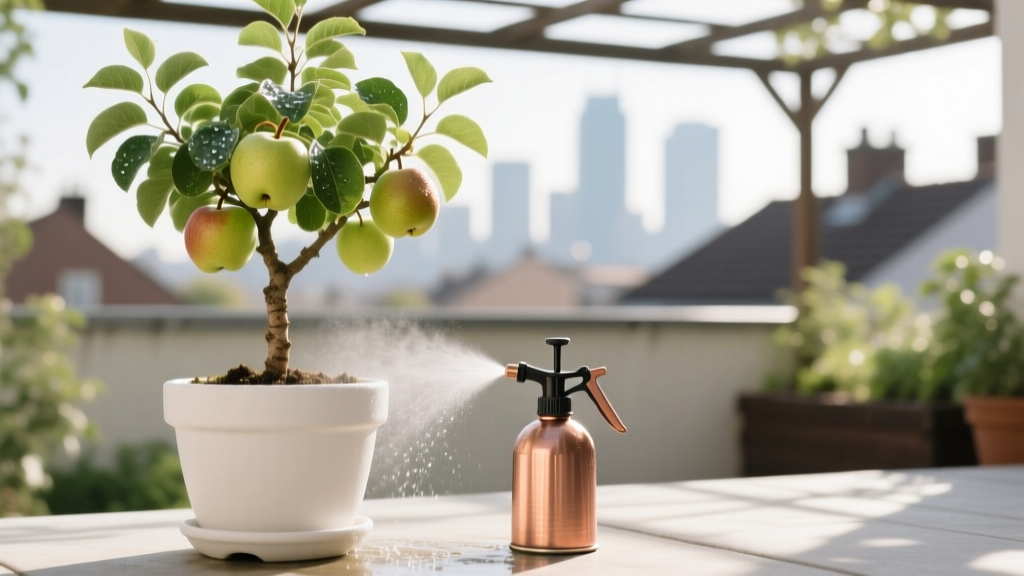
Potted Pear & Apple Fire Blight: 2026 Copper Spray Guide
Lisa ThompsonPublished
Container Fruit Trees and the Threat of Fire Blight in 2026
Container gardening with dwarf fruit trees has seen a massive resurgence in 2026, with urban and suburban gardeners transforming patios, balconies, and rooftop spaces into micro-orchards. While growing apples, pears, and crabapples in pots offers unparalleled control over soil quality and mobility, it does not exempt your trees from devastating bacterial diseases. The most notorious of these is fire blight, caused by the bacterium Erwinia amylovora. If left unchecked, fire blight can kill a container-grown tree in a single season. This comprehensive guide covers how to identify fire blight in potted trees and how to implement a precise copper spray prevention schedule tailored for small-space growers in 2026.
Identifying Fire Blight in Potted Trees
Fire blight is unique because it attacks the Rosaceae family, primarily affecting apples, pears, and ornamental crabapples. In a container environment, trees are often subjected to rapid temperature fluctuations and moisture stress, which can compromise their natural defenses and accelerate bacterial spread.
Key Symptoms to Monitor
- Blossom Blast: The earliest sign in spring. Blossoms turn brown, wilt, and die rapidly, often clinging to the spur.
- Shepherd's Crook: Infected shoot tips wilt and bend over, resembling a shepherd's crook. This is a hallmark symptom of active fire blight.
- Canker Ooze: Dark, sunken cankers form on the bark. During warm, humid days, these cankers exude a milky, amber-colored bacterial ooze that attracts insects, further spreading the disease.
- Scorched Foliage: Leaves turn dark brown or black but remain attached to the dead branches, giving the tree a fire-scorched appearance.
According to Penn State Extension, the bacteria overwinter in marginal cankers on the bark. In potted trees, inspect the main trunk and the graft union carefully, as cankers near the soil line of a container can quickly girdle and kill the tree.
The Science of Copper Sprays for Container Orchards
Copper-based bactericides are the cornerstone of fire blight prevention. Copper ions disrupt the bacterial cell membranes of Erwinia amylovora, preventing infection. However, applying copper in a patio or balcony setting requires careful selection to avoid staining hardscapes and harming beneficial insects.
Choosing the Right Copper Formulation in 2026
In 2026, the market offers several copper formulations, each with distinct pros and cons for container gardeners:
- Bordeaux Mixture (Copper Sulfate + Lime): Highly effective for dormant applications but notorious for staining concrete and patio furniture blue-green. Best used before pots are moved to their final summer locations.
- Copper Hydroxide (Fixed Copper): A reliable, broad-spectrum option. It adheres well to bark but can cause phytotoxicity (leaf burn) if applied during cool, wet spring weather.
- Copper Octanoate (Copper Soap): The top choice for 2026 patio growers. Products like Soap Shield offer excellent coverage, lower staining risk, and are generally safer for use around outdoor living spaces.
2026 Copper Spray Schedule for Potted Trees
Timing is everything. Copper sprays are strictly preventative; they must be on the bark and buds before the bacteria become active and enter the plant tissue. Once the blossoms open, copper must be stopped to prevent russeting on the fruit and damage to the delicate floral organs.
| Phenological Stage | Copper Type | Application Rate (per 1 gal) | Container Specific Notes |
|---|---|---|---|
| Dormant (Late Winter) | Bordeaux Mixture | Follow label (approx. 2 tbsp) | Apply before moving pots to sunny patio walls; cover hardscapes. |
| Silver/Green Tip | Copper Hydroxide | 1/2 tsp per gallon | Avoid spraying if frost is expected within 48 hours to prevent tissue burn. |
| Pink Bud | Copper Octanoate | 1-2 oz per gallon | Safe for patio use; low staining risk. Apply just before blossoms open. |
| Bloom | STOP COPPER | N/A | Copper damages blossoms and causes fruit russet. Switch to biocontrols. |
For detailed regional timing and degree-day models, consult the University of California IPM guidelines, which remain a gold standard for tracking bacterial activity based on local microclimates.
Application Techniques for Small Spaces
Spraying trees on a balcony or patio presents unique challenges regarding drift and coverage.
Equipment and Drift Management
Ditch the large hose-end sprayers used in traditional orchards. For container trees, a high-quality, 1-to-2-gallon pump sprayer with an adjustable brass nozzle is ideal. Set the nozzle to a fine mist to ensure complete coverage of the bark crevices and bud scales without excessive runoff. To prevent drift onto neighboring plants or outdoor furniture, spray on calm mornings when wind speeds are below 5 mph. If your potted trees are against a wall, place a heavy canvas drop cloth behind the tree to catch overspray and protect your siding or stucco.
Safety and Handling
Even low-toxicity copper soaps require proper personal protective equipment (PPE). Always wear nitrile gloves, long sleeves, and safety goggles when mixing and applying copper sprays. In 2026, many urban gardeners are opting for closed-system mixing caps and pre-measured copper pods to minimize handling and reduce the risk of accidental spills on wooden decks.
Pruning, Sanitation, and Rootstock Selection
Copper sprays are only one half of the prevention equation. Cultural controls and sanitation are vital for potted trees, where a single infected branch can quickly compromise the entire canopy.
The 12-Inch Pruning Rule
If you spot active fire blight strikes during the summer, prune them out immediately. Cut at least 12 inches below the visible margin of the infection, into healthy, white wood. Between every single cut, sterilize your pruning shears by dipping them in 70% isopropyl alcohol or a 10% bleach solution. Failure to sterilize tools is the fastest way to manually inoculate your entire container orchard.
Choosing Resistant Rootstocks for 2026
When purchasing new dwarf trees for containers, prioritize blight-resistant rootstocks. The Geneva apple rootstock series, particularly G.11 and G.41, offer excellent resistance to fire blight while maintaining the dwarfing characteristics necessary for pot culture. For pears, look for varieties grafted onto OHxF 333 rootstock, which provides moderate blight resistance and a compact growth habit suitable for large half-barrel planters.
Integrating Biocontrols
During the bloom period, when copper is off the table, transition to biological controls. Products containing Bacillus amyloliquefaciens (such as Serenade OPTI) colonize the blossom stigmas, outcompeting Erwinia amylovora for space and nutrients. Apply these biocontrols every 3 to 5 days during peak bloom for maximum efficacy in your patio micro-orchard.
Fertilization, Moisture, and Overwintering
Fertilization and Moisture: The Hidden Factors
In container gardening, it is tempting to push vigorous growth with heavy nitrogen fertilization. However, excess nitrogen promotes rapid, succulent shoot growth that is highly susceptible to fire blight infection. In 2026, the best practice for potted fruit trees is to use a balanced, slow-release organic fertilizer with a lower nitrogen ratio (such as a 4-6-4 NPK) applied only once in early spring. Furthermore, container trees are prone to drought stress, which weakens their systemic defenses. Utilize a high-quality potting mix amended with 20% perlite and 10% biochar to ensure optimal drainage while retaining consistent moisture. Mulching the top of the pot with 2 inches of arborist wood chips will help regulate soil temperature and reduce moisture evaporation during the hot summer months when fire blight bacteria are most active.
Overwintering and Dormant Care
Because container trees lack the insulating earth of a traditional orchard, their root systems are vulnerable to freezing. However, the above-ground wood still requires a proper chilling period to break dormancy and synchronize bud break in the spring. In late fall, after the leaves have dropped and your final sanitation pruning is complete, move the pots to an unheated garage or against a protected, shaded north-facing wall. This prevents the bark from experiencing extreme south-west winter sunscald, which creates micro-cracks where Erwinia amylovora can establish marginal cankers. Before moving them into storage, apply a dormant horticultural oil mixed with a fixed copper spray to smother overwintering insects and suppress bacterial populations on the bark surface.
Conclusion
Managing fire blight in container-grown apples and pears requires vigilance, precise timing, and an understanding of your unique patio microclimate. By leveraging modern copper octanoate formulations, adhering to a strict dormant and pre-bloom spray schedule, and selecting resistant rootstocks, you can protect your potted orchard from this devastating bacterium. Stay observant, keep your tools sterilized, and enjoy a thriving, disease-free container harvest in 2026 and beyond.
