Gardening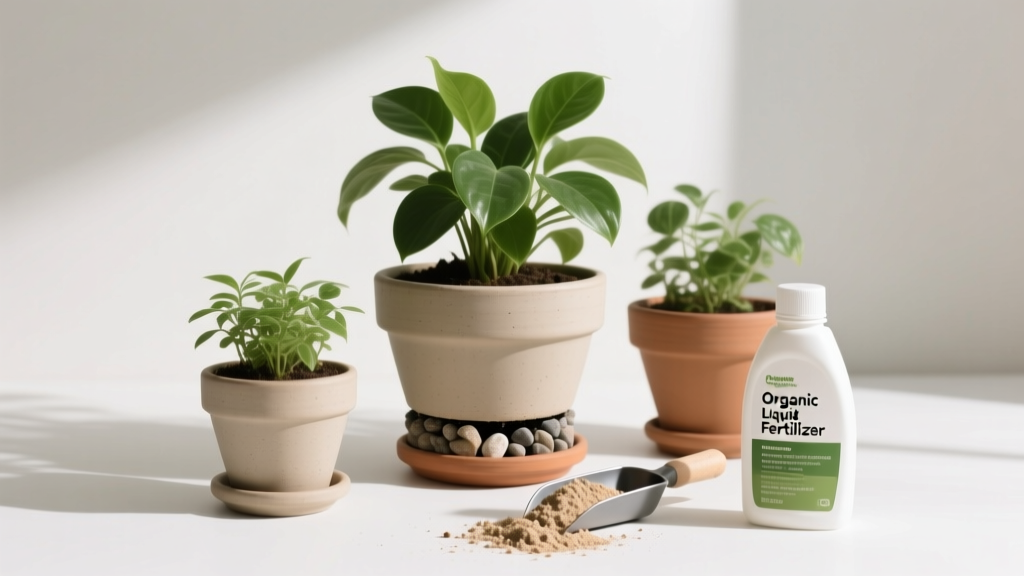
Gardening Myths Busted: Container Soil & Drainage
Mike RodriguezPublished
Gardening Folklore vs. Horticultural Science
Gardening is a hobby deeply rooted in tradition, but unfortunately, not all traditions are based on sound horticultural science. Walk into any garden center or browse online forums, and you will encounter a barrage of well-meaning but entirely incorrect advice. From the materials we use to line our planters to the way we feed our prized tomatoes, folklore often overrides physics and biology. In this comprehensive guide, we are putting on our lab coats and diving into the science of container gardening and soil preparation. We will debunk four of the most persistent gardening myths, providing you with actionable, fact-based strategies to save time, money, and your plants.
Myth 1: Gravel at the Bottom of Pots Improves Drainage
For decades, gardening books and hobbyists have preached that placing a layer of gravel, pebbles, or broken pottery shards at the bottom of a container improves drainage and prevents root rot. The logic seems sound to the naked eye: water drains faster through large rocks than through dense soil. However, soil physics tells a completely different story.
The Science: The Perched Water Table
The reality is that adding gravel to the bottom of a pot actually hinders drainage and creates what soil scientists call a perched water table. Water moving downward through a fine-textured medium (like potting soil) is held by capillary action and will not easily cross the boundary into a coarse-textured medium (like gravel) until the fine medium is completely saturated. Instead of flowing freely into the rocks, the water pools at the soil-rock interface. By adding a two-inch layer of gravel to the bottom of a ten-inch pot, you have effectively raised the saturation zone two inches closer to your plant's root crown, drastically increasing the risk of root rot and anaerobic bacterial growth.
The Fact and Actionable Advice
Skip the gravel entirely. Use a high-quality, well-draining potting mix from top to bottom. Ensure your container has adequate drainage holes. If you are worried about soil washing out of the holes, place a single piece of fiberglass window screen or a standard coffee filter over the hole before filling the pot. This keeps the soil in while allowing water to escape freely. According to horticultural researchers at The Garden Professors, this myth is one of the most damaging to container plants, and abandoning it will immediately improve root health.
Myth 2: Garden Soil is Fine for Containers and Raised Beds
It is incredibly tempting to grab a shovel, dig up some topsoil from the backyard, and use it to fill your new ceramic planters or raised garden beds. After all, plants grow in it just fine in the ground, right?
The Fact: Compaction and Pathogens
Garden soil is entirely unsuitable for containers and performs poorly in raised beds. In the ground, soil is part of a massive, interconnected ecosystem where earthworms, deep root channels, and natural grading manage water and aeration. In the confined space of a container, garden soil quickly compacts. Every time you water, the heavy particles settle, squeezing out the oxygen pockets that roots desperately need to survive. Furthermore, garden soil often harbors soil-borne pathogens like Pythium and Fusarium, as well as weed seeds and fungal spores that can devastate a closed container environment. The University of Minnesota Extension strongly advises against using in-ground soil for containers due to these severe compaction and disease risks.
Actionable Recipe for Raised Beds
For raised beds, you need a specialized mix that balances moisture retention with aeration. A highly recommended, cost-effective formula is the 1/3 Mix, which provides excellent structure and nutrient density.
- 33% Coarse Vermiculite: For aeration and moisture retention.
- 33% Peat Moss or Coco Coir: For water retention and structural integrity.
- 33% Blended Compost: For nutrients, trace minerals, and microbial life.
Cost Breakdown: Filling a standard 4x8 foot raised bed that is 10 inches deep requires about 27 cubic feet of soil. Buying bagged garden soil might cost around $54, but it will compact and fail within one season. Mixing your own 1/3 blend using bulk or bagged amendments will cost approximately $90 to $120 upfront, but it will last for years with minimal annual top-dressing, saving you money and heartache in the long run.
Soil Comparison Chart
| Feature | Garden Topsoil | Standard Potting Mix | Raised Bed Mix (1/3 Blend) |
|---|---|---|---|
| Primary Use | In-ground grading | Containers & Hanging Baskets | Raised Beds (6+ inches deep) |
| Drainage | Poor in containers | Excellent | Very Good |
| Aeration | Low (compacts easily) | High (peat/perlite) | Medium-High |
| Cost (per cu ft) | $2 - $4 | $8 - $15 | $5 - $9 |
| Nutrient Retention | High | Low (leaches quickly) | Medium-High |
Myth 3: You Must Replace Container Soil Every Year
Many gardeners believe that potting soil is spent after a single season and must be completely dumped and replaced every spring. This is a wasteful myth that costs gardeners hundreds of dollars over time and generates unnecessary landfill waste.
The Fact: Soil Structure vs. Nutrient Depletion
While it is true that the physical structure of peat-based potting mixes breaks down over time and nutrients are depleted by heavy-feeding plants, the soil itself does not turn into toxic waste. The organic matter decomposes, which can reduce aeration, but you do not need to throw it all away.
Actionable Advice: Refresh, Don't Replace
Instead of replacing the soil, refresh it. At the start of the growing season, remove the top two to three inches of the old potting mix and replace it with fresh, nutrient-rich compost or a high-quality potting soil amendment. To restore the physical structure and aeration, mix in a few handfuls of perlite or coco coir. For heavy feeders like tomatoes or peppers, incorporate a slow-release granular fertilizer like Espoma Garden-tone (3-4-4 NPK) at a rate of 1.5 tablespoons per gallon of soil. This top-dressing and amending approach costs less than $5 per pot, compared to $15 or more for a complete soil replacement.
Myth 4: More Fertilizer Means Faster, Healthier Growth
When a potted plant looks stunted or pale, the immediate instinct is to douse it in liquid fertilizer. The assumption is that if a little fertilizer is good, a lot must be better. This is a fundamental misunderstanding of plant biology and soil chemistry.
The Fact: Fertilizer Burn and Salt Accumulation
Over-fertilizing is one of the fastest ways to kill a container plant. Potted plants have a limited root zone. When you apply excessive synthetic fertilizers, the soluble salts accumulate in the soil. Through a process called reverse osmosis, these high salt concentrations actually draw water out of the plant's roots, leading to fertilizer burn. Symptoms include crispy brown leaf margins, wilting despite moist soil, and a white, crusty buildup on the soil surface or the outside of terracotta pots. According to Oregon State University Extension, container plants benefit far more from consistent, low-dose feeding than from erratic, high-dose applications.
Actionable Advice: Low and Slow Feeding
Use a controlled-release fertilizer like Osmocote Plus (15-9-12) at the beginning of the season, which feeds plants steadily for up to six months without risking salt spikes. If you prefer liquid feeding, dilute your water-soluble fertilizer to half the strength recommended on the label, and apply it every two weeks during the active growing season. Always ensure you are flushing your containers with plain, deep water once a month to leach out any accumulated salts from the root zone.
Conclusion
Gardening should be guided by science, not superstition. By abandoning the gravel drainage myth, refusing to put garden soil in your containers, refreshing rather than replacing your potting mix, and practicing restraint with fertilizers, you will create a much healthier environment for your plants. Not only will your vegetables and flowers thrive, but you will also save a significant amount of time, physical labor, and money. The next time you hear a piece of old wives' tale gardening advice, remember to look for the horticultural facts before you grab your shovel.
