Lawn Care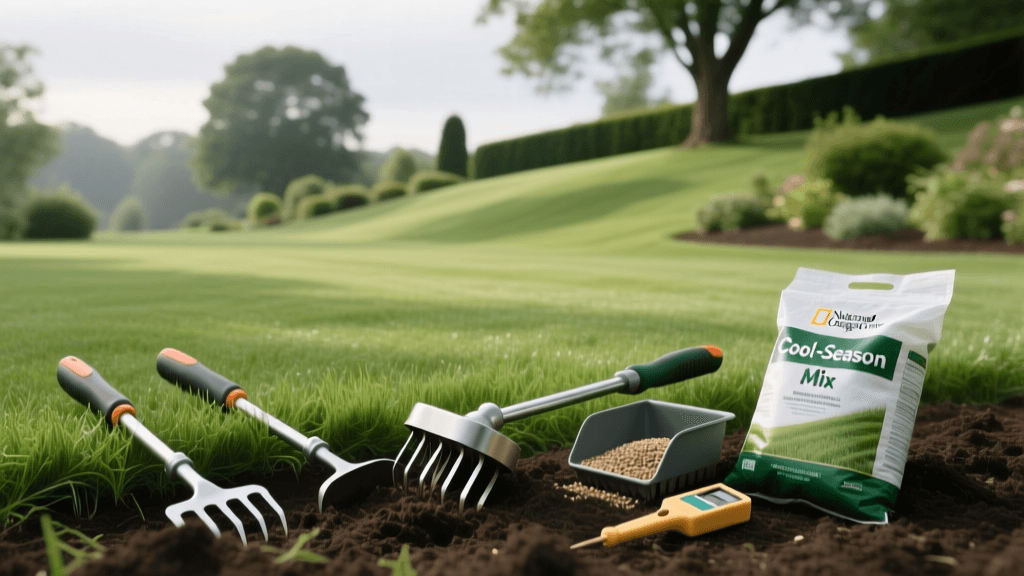
How to Core Aerate and Overseed Your Lawn Successfully
Why Core Aeration and Overseeding Go Hand-in-Hand
Revitalizing a tired, thin, or compacted lawn requires more than just a standard fertilization routine. If your cool-season grass is struggling to absorb water, showing signs of heavy foot traffic wear, or failing to respond to fertilizer, it is time to look beneath the surface. Core aeration paired with overseeding is the most effective, practical method to breathe new life into your turf. This comprehensive, step-by-step guide will walk you through the exact process, costs, and timelines needed to transform your lawn.
Over time, soil becomes compacted due to foot traffic, heavy mowing equipment, and natural settling. Compacted soil restricts the flow of oxygen, water, and essential nutrients to the root zone. Furthermore, a layer of thatch—a dense mat of dead and living organic matter—can build up, creating a barrier that prevents grass seed from reaching the soil.
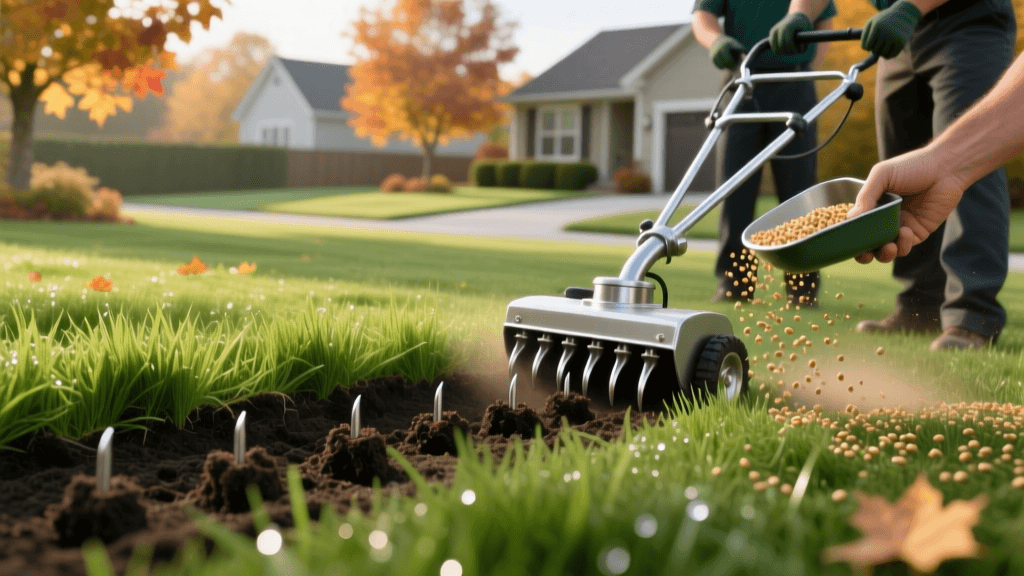
Core aeration involves using a machine to physically extract small plugs of soil and thatch from the lawn. This process alleviates compaction, reduces thatch, and creates thousands of tiny micro-environments (the aeration holes) where new grass seeds can safely germinate. When you overseed immediately after aerating, the seeds fall directly into these holes, ensuring optimal seed-to-soil contact, protection from birds, and direct access to moisture.
When to Aerate and Overseed Your Lawn
Timing is the single most critical factor in the success of your lawn renovation. For cool-season grasses—such as Tall Fescue, Kentucky Bluegrass, and Perennial Ryegrass—the absolute best time to aerate and overseed is in the early fall.
Aim for a window between late August and mid-October, depending on your specific hardiness zone. The ideal soil temperature for cool-season seed germination is between 50°F and 65°F. During early fall, the soil is still warm from the summer, which speeds up germination, while the cooler air temperatures reduce heat stress on young seedlings. Additionally, fall weed competition is significantly lower than in the spring, giving your new grass a chance to establish without fighting off aggressive crabgrass or dandelions.
Avoid spring aeration and overseeding if possible. Spring planting exposes vulnerable seedlings to the stress of impending summer heat and requires heavy use of pre-emergent herbicides, which will inadvertently prevent your new grass seed from germinating.
Tools and Materials You Will Need
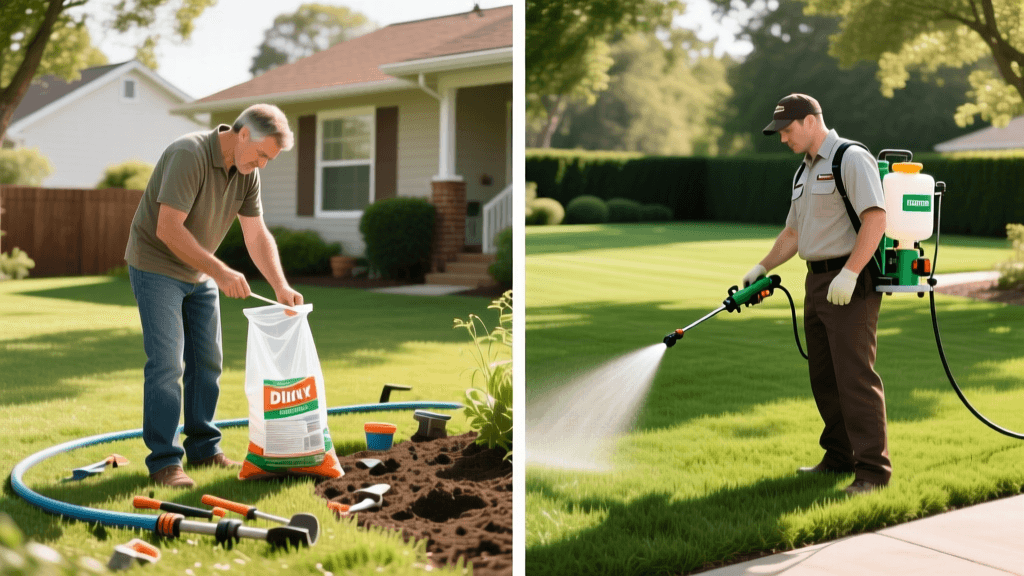
Before beginning, gather the necessary equipment and calculate your budget. Here is a breakdown of what you will need and the estimated costs for an average 5,000-square-foot lawn:
- Core Aerator Rental: $70 to $100 per day from a local hardware or equipment rental store. Avoid spike aerators or aerator shoes; they do not remove soil and can actually increase compaction around the puncture holes.
- Grass Seed: $40 to $80. Always choose a high-quality, weed-free seed blend suited to your region's sun and shade conditions.
- Starter Fertilizer: $25 to $45. Look for a fertilizer high in phosphorus (the middle number on the bag, such as 18-24-12) to promote rapid root development.
- Broadcast or Drop Spreader: $30 to $50 (if you do not already own one).
- Lawn Mower with Bagging Attachment: To scalp the lawn and remove debris.
Step-by-Step Guide to Core Aeration and Overseeding
Follow these precise steps to ensure maximum seed germination and turf establishment.
Step 1: Prep the Lawn
Mow your existing lawn shorter than usual, aiming for a height of about 1.5 to 2 inches. Bag the clippings to expose the soil surface. If your lawn has a heavy thatch layer (greater than 0.5 inches), consider renting a dethatcher or power rake to remove the bulk of it before aerating.
Water the lawn deeply 24 to 48 hours before you plan to aerate. The soil should be moist but not muddy. If the soil is too dry, the aerator tines will not penetrate deeply enough. If it is too wet, the machine will clog, and the heavy wheels will cause severe soil compaction.
Step 2: Core Aerate in a Crisscross Pattern
Run the core aerator over the entire lawn. For the best results, make two passes: one in a horizontal direction and one in a vertical direction, creating a crisscross pattern.
According to turfgrass experts at Penn State Extension, a proper core aeration should remove plugs of soil that are 2 to 3 inches deep, 0.5 to 0.75 inches in diameter, and spaced about 2 to 3 inches apart. Leave the extracted soil plugs on the lawn; they will break down naturally over the next few weeks with rain and mowing, returning valuable microorganisms and topsoil to the surface.
Step 3: Overseed the Lawn
Immediately after aerating, apply your grass seed using a broadcast or drop spreader. Ensure you follow the specific application rates for your chosen seed type. Walk at a steady pace and overlap your passes slightly to avoid striping. Pay special attention to bare spots, applying a slightly heavier dose of seed and lightly raking it into the top layer of soil.
Step 4: Apply Starter Fertilizer
Once the seed is down, apply a high-quality starter fertilizer. New grass seedlings require immediate access to phosphorus to develop strong, deep roots before winter. Avoid standard weed-and-feed products at all costs, as the herbicides will kill emerging grass seedlings.
Step 5: Topdress and Roll (Optional but Recommended)
For premium results, spread a thin layer (about 1/4 inch) of screened compost or topsoil over the seeded area. This topdressing helps retain moisture and protects the seeds from wind and birds. Finally, use a lightweight lawn roller (filled only halfway with water) to press the seeds firmly into the aeration holes and soil surface.
Seed Rate and Coverage Chart
Applying the correct amount of seed is vital. Too little seed will result in a thin lawn, while too much seed will cause overcrowding, leading to weak seedlings that are prone to fungal diseases like damping-off.
| Grass Type | Overseeding Rate (lbs / 1,000 sq ft) | Germination Time (Days) | Best Use Case |
|---|---|---|---|
| Tall Fescue | 4 to 6 lbs | 7 to 14 days | High traffic, drought-tolerant, deep roots |
| Kentucky Bluegrass | 1.5 to 2.5 lbs | 14 to 30 days | Sun-drenched areas, premium aesthetic, spreading growth |
| Perennial Ryegrass | 3 to 5 lbs | 5 to 10 days | Quick cover, erosion control, high wear tolerance |
| Fine Fescue | 3 to 5 lbs | 10 to 14 days | Heavy shade, low fertility soils, low maintenance |
The Critical Watering Schedule
Grass seed will die if it dries out during the germination process. For the first 14 to 21 days, your watering routine must be meticulous.
- Weeks 1 and 2: Water the lawn lightly 2 to 3 times per day for about 5 to 10 minutes per zone. The goal is to keep the top 1 inch of soil consistently moist, not soggy. Early morning and late afternoon are the best times to water to minimize evaporation.
- Weeks 3 and 4: As seedlings emerge and reach 1 inch in height, reduce the frequency to once a day, but increase the duration to 15 to 20 minutes. This encourages the new roots to stretch deeper into the soil profile.
- Week 5 and Beyond: Transition to a standard deep-watering schedule of 1 to 1.5 inches of water per week, applied in one or two long sessions to promote extreme drought tolerance.
Common Mistakes to Avoid
Even with the best intentions, homeowners often make critical errors during the aeration and overseeding process. Avoid these pitfalls to protect your investment:
- Using Spike Aerators: As mentioned, spike aerators merely punch holes, which compacts the soil laterally. Always rent a core aerator that physically removes soil plugs.
- Applying Pre-Emergent Herbicides: Pre-emergents create a chemical barrier in the soil that stops all seeds from germinating, including your expensive new grass seed. Wait until the new grass has been mowed at least three times before applying any weed prevention.
- Mowing Too Soon: Do not mow the new grass until it reaches at least 3 to 3.5 inches in height. When you do mow, ensure your mower blades are razor-sharp to avoid tearing the tender young blades out of the soil.
- Skipping the Soil Test: Before investing time and money into seed and fertilizer, conduct a soil test through your local university extension office. This $15 to $30 test will tell you exactly what pH adjustments (like adding lime or sulfur) your soil needs to support new grass.
Proper seed-to-soil contact is the most important factor in overseeding success. Seeds left resting on top of dry thatch will germinate but quickly die as their shallow roots fail to find moisture. Core aeration provides the perfect receptacle for seeds to fall into, ensuring they are surrounded by moist, nutrient-rich soil. — University of Minnesota Extension, Turfgrass Science Program
Final Thoughts on Lawn Renovation
Core aeration and overseeding represent the gold standard for cool-season lawn renovation. While it requires a weekend of physical labor, an equipment rental, and a strict watering schedule, the results are undeniable. By relieving soil compaction, introducing modern, disease-resistant grass cultivars, and ensuring optimal seed-to-soil contact, you are setting the stage for a thick, vibrant, and resilient lawn that will be the envy of your neighborhood for years to come. Plan your autumn calendar, prep your equipment, and get ready to transform your turf.