Lawn Care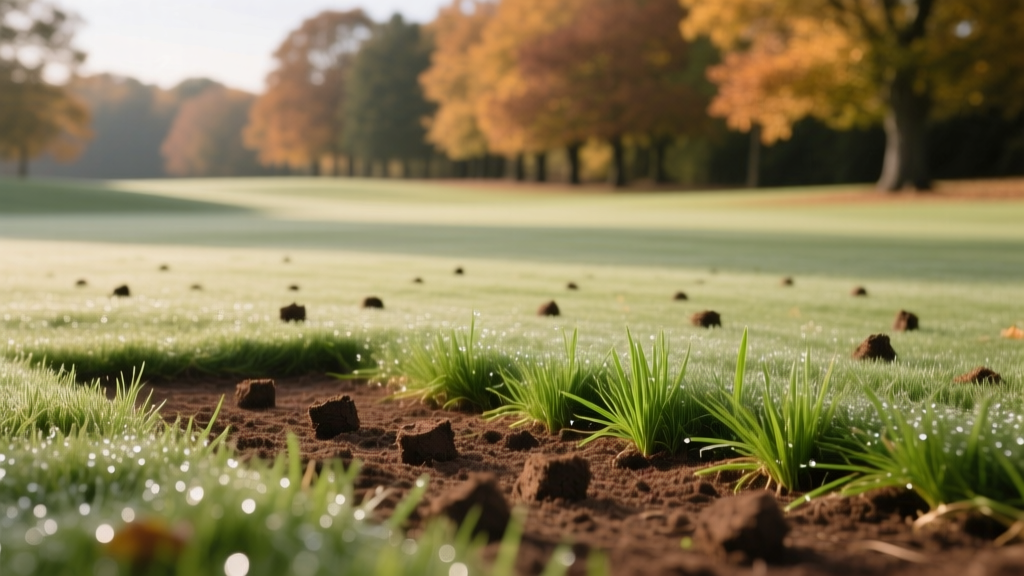
Core Aeration and Overseeding: A Step-by-Step Fall Guide
Lisa ThompsonPublished
The Synergy of Core Aeration and Overseeding
For homeowners with cool-season lawns, the transition from late summer into early fall presents the single most important window for turf renovation. Combining core aeration with overseeding is not just a seasonal chore; it is a foundational lawn care technique that directly combats soil compaction, thatch buildup, and thinning grass. When performed correctly, this dual approach introduces vital oxygen, water, and nutrients to the root zone while simultaneously filling in bare spots with vigorous, disease-resistant grass cultivars.
Core aeration involves the mechanical removal of small soil plugs, typically 2 to 3 inches in length, from the lawn. This process alleviates compaction caused by foot traffic and heavy clay soils. Overseeding, on the other hand, is the practice of sowing new grass seed directly into the existing turf without tearing up the soil. When these two techniques are paired, the aeration holes act as perfect, protected micro-environments for seed germination, ensuring maximum seed-to-soil contact and dramatically improving survival rates.
When to Aerate and Overseed: Timing is Everything
Timing is the most critical variable in the success of your fall lawn renovation. Cool-season grasses, such as Kentucky Bluegrass, Tall Fescue, and Perennial Ryegrass, thrive when soil temperatures range between 50°F and 65°F. In most northern and transition zones, this translates to a window between late August and mid-October.
According to the University of Minnesota Extension, aerating in the early fall allows the turf ample time to recover and establish new roots before the ground freezes. Furthermore, fall overseeding takes advantage of cooler air temperatures and more consistent rainfall, reducing the water stress that often plagues spring-seeded lawns. By avoiding spring aeration and seeding, you also bypass the heavy competition from summer annual weeds like crabgrass.
Equipment and Materials Needed
To execute a professional-grade aeration and overseeding, you need the right tools. Skipping the proper equipment is a common pitfall that leads to poor germination and wasted seed.
- Core Aerator: Avoid spike aerators, which merely poke holes and can worsen compaction. Rent a walk-behind core aerator (such as a Ryan Lawnaire IV or Classen CA-18) from a local equipment rental yard or home improvement store. Expect to pay between $90 and $160 for a half-day or full-day rental. Professional aeration services typically charge $0.15 to $0.30 per square foot.
- Lawn Mower: A standard rotary mower capable of cutting down to 1.5 inches.
- Broadcast or Drop Spreader: For even distribution of seed and fertilizer.
- Certified Grass Seed: Always check the seed tag for purity (aim for 99% or higher) and a germination rate above 85%. Avoid seed mixes containing annual ryegrass or weed seeds.
- Starter Fertilizer: A fertilizer high in phosphorus (the middle number in the N-P-K ratio), such as a 18-24-12 or 10-18-10 blend, to stimulate rapid root development.
Step-by-Step Aeration and Overseeding Technique
Step 1: Mow Low and Clear the Lawn
Before bringing the heavy machinery onto your lawn, mow the grass shorter than your normal maintenance height. For cool-season grasses, drop your mower deck to 1.5 or 2 inches. Bag the clippings or rake them thoroughly. Removing the canopy allows the aerator tines to penetrate the soil cleanly and ensures that your newly spread seed will actually reach the soil surface rather than getting trapped in a layer of thatch or grass clippings.
Step 2: Core Aeration Patterns
Water your lawn deeply 24 hours before aerating to soften the soil, which allows the aerator tines to pull deeper, more intact cores. When operating the machine, make one pass in a horizontal direction and a second pass in a vertical direction, creating a grid pattern. Your goal is to pull cores that are 2 to 3 inches deep and spaced no more than 2 to 3 inches apart. If your soil is heavily compacted clay, a third diagonal pass may be necessary. Leave the extracted soil plugs on the lawn; they will break down naturally over the next few weeks and return beneficial microbes to the surface.
Step 3: Soil Amendment and Seed Selection
Once the lawn is thoroughly aerated, it is time to amend the soil and lay down the seed. Based on the Penn State Extension guidelines for lawn renovation, applying a starter fertilizer immediately after aeration ensures that nutrients are washed directly into the root zone. Apply your chosen starter fertilizer at the rate specified on the bag. Next, select a seed blend that matches your lawn's light conditions. For example, a mix dominated by Fine Fescues is ideal for shaded areas, while a blend of Kentucky Bluegrass and Tall Fescue is better suited for high-traffic, full-sun environments.
Step 4: Overseeding and Seed-to-Soil Contact
Calibrate your spreader and apply the seed evenly across the lawn, splitting the application into two perpendicular passes to avoid striping. According to UMN Extension's overseeding guidelines, achieving proper seed-to-soil contact is the most vital step for germination. After spreading the seed, use a stiff push broom, a lawn leveling rake, or a specialized aeration drag mat to work the seed down into the aeration holes and protect it from birds and wind.
Cool-Season Grass Seed Rates and Soil Prep Table
Applying the correct amount of seed is crucial. Too little seed results in a patchy lawn, while too much seed leads to overcrowding, weak seedlings, and fungal diseases. Refer to the table below for precise measurements.
| Grass Type | Overseeding Rate (per 1,000 sq ft) | Ideal Soil Temp | Target Aeration Depth |
|---|---|---|---|
| Tall Fescue | 6 - 8 lbs | 50°F - 65°F | 2 - 3 inches |
| Kentucky Bluegrass | 1 - 2 lbs | 50°F - 60°F | 2 - 3 inches |
| Perennial Ryegrass | 4 - 6 lbs | 50°F - 65°F | 2 - 3 inches |
| Fine Fescue | 3 - 5 lbs | 50°F - 60°F | 2 - 3 inches |
Post-Overseeding Watering and Fertilization Schedule
The first 14 to 21 days after overseeding dictate the survival of your new grass. The golden rule of watering new seed is to keep the top inch of soil consistently moist, but never muddy or waterlogged. This typically requires light watering sessions of 10 to 15 minutes, two to three times a day, depending on your local climate and sun exposure. As the seedlings emerge and reach a height of 1 inch, gradually reduce the frequency of watering but increase the duration to encourage deeper root growth.
Once the new grass has been mowed twice, you can transition back to a standard deep-and-infrequent watering schedule, providing about 1 to 1.5 inches of water per week. Approximately six weeks after germination, apply a second round of fertilizer—this time using a balanced, slow-release nitrogen formula to fuel the turf through the winter months.
Common Mistakes to Avoid
Even seasoned homeowners can make errors that compromise the results of aeration and overseeding. Avoid these common pitfalls:
- Using Pre-Emergent Herbicides: Pre-emergents create a chemical barrier in the soil that prevents weed seeds from germinating, but they will also stop your expensive grass seed from sprouting. Wait at least 60 days after seeding before applying any pre-emergent crabgrass preventer.
- Seeding Too Late: If you wait until late October or November, the young grass seedlings will not have enough time to develop a robust root system before the first hard freeze, leading to winterkill.
- Ignoring Soil pH: Grass seed struggles to absorb nutrients if the soil pH is unbalanced. Cool-season grasses prefer a pH between 6.0 and 7.0. Always conduct a soil test before your fall renovation and apply pelletized lime if your soil is too acidic.
- Mowing Too Soon: Do not mow the lawn until the new seedlings reach at least 3 inches in height. When you do mow, ensure your mower blades are razor-sharp to prevent tearing the tender, young grass blades out of the soil.
By adhering to these precise aeration and overseeding techniques, you will transform a tired, thinning lawn into a dense, vibrant carpet of cool-season turf that is resilient against drought, disease, and heavy foot traffic.