Lawn Care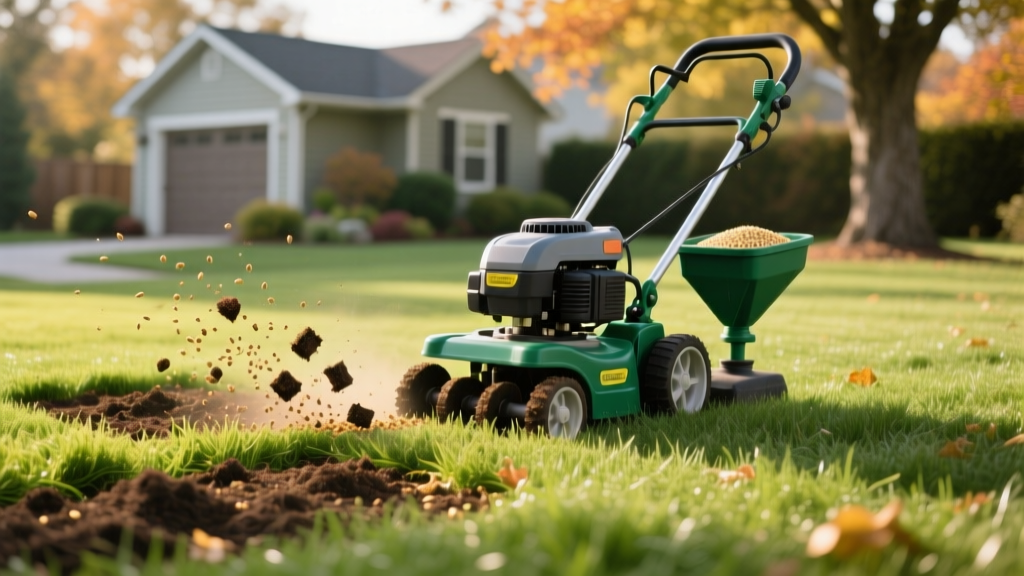
Core Aeration and Overseeding: The Ultimate Fall Lawn Guide
Mike RodriguezPublished
Introduction to Lawn Renovation
A lush, thick, and vibrant lawn is the hallmark of a well-maintained property. However, over time, even the most meticulously cared-for turf can fall victim to soil compaction, thatch buildup, and thinning grass. This is where the powerful combination of core aeration and overseeding comes into play. By pairing these two essential lawn care techniques, homeowners can breathe new life into tired lawns, improve root development, and crowd out invasive weeds.
Whether you are dealing with high-traffic areas that have turned into hard-packed dirt or simply want to upgrade your turf's density before winter, understanding the science and execution of aeration and overseeding is critical. This comprehensive guide will walk you through the exact techniques, timing, and aftercare required to achieve professional-grade results on your home lawn.
Why Core Aeration is Essential
Soil compaction is the silent killer of lawns. When soil particles are pressed together, the pore spaces that typically hold water, oxygen, and nutrients are eliminated. Grass roots suffocate, and water runoff becomes a major issue. Core aeration alleviates this by physically removing small plugs of soil and thatch from the lawn, allowing the earth to breathe.
According to experts at North Carolina State University's TurfFiles, core aeration not only reduces compaction but also enhances microbial activity in the soil. These microbes are responsible for breaking down thatch and converting organic matter into usable nutrients for your grass. Furthermore, the holes created by the aerator serve as perfect receptacles for grass seed and starter fertilizer, ensuring direct seed-to-soil contact, which is the most critical factor in successful germination.
Core Aeration vs. Spike Aeration
Homeowners often confuse core (plug) aeration with spike aeration. While spike aerators simply punch holes into the ground, they can actually worsen compaction by pressing the surrounding soil tighter. Core aeration is universally recommended by turfgrass scientists for long-term lawn health.
| Feature | Core (Plug) Aeration | Spike Aeration |
|---|---|---|
| Mechanism | Removes 2-3 inch soil plugs | Punches solid holes into soil |
| Effect on Compaction | Significantly reduces compaction | Can increase localized compaction |
| Thatch Reduction | Brings soil microbes to surface to eat thatch | No impact on thatch layer |
| Best Soil Type | Heavy clay and compacted loams | Sandy, loose soils (rarely needed) |
Optimal Timing for Aeration and Overseeding
Timing is everything when it comes to turfgrass renovation. The ideal window for aeration and overseeding depends entirely on whether you are growing cool-season or warm-season grasses.
For cool-season grasses like Kentucky Bluegrass, Tall Fescue, and Perennial Ryegrass, early fall (late August to mid-October) is the absolute best time. The University of Minnesota Extension notes that fall provides warm soil temperatures for rapid seed germination, cool air temperatures for optimal top growth, and a natural reduction in weed competition. Spring aeration is generally discouraged for cool-season lawns because it opens the soil to aggressive summer annual weeds like crabgrass.
Conversely, warm-season grasses such as Bermudagrass, Zoysia, and Centipedegrass should be aerated and overseeded in late spring to early summer (May through June), just as they enter their peak growing season and can rapidly recover from the mechanical stress of the aerator.
Step-by-Step Aeration and Overseeding Process
Step 1: Prepare the Lawn
Before renting an aerator, mow your lawn shorter than usual, aiming for a height of about 1.5 to 2 inches. Bag the clippings to expose the soil surface. If you have a heavy thatch layer (more than 1/2 inch), consider renting a power rake or dethatcher first, as excessive thatch will prevent the aerator tines from penetrating the soil and will block seed-to-soil contact.
Step 2: Mark Utilities and Irrigation
This step is frequently overlooked but absolutely vital. Use brightly colored landscaping flags to mark all shallow sprinkler heads, valve boxes, and invisible dog fences. Hitting a sprinkler head with a 300-pound core aerator will result in costly repairs and a flooded yard. Always call your local utility locating service (like 811 in the US) a few days prior to mark buried gas, water, and electrical lines.
Step 3: Perform Core Aeration
Rent a walk-behind core aerator from a local equipment rental center. Ensure the machine pulls actual plugs of soil, not just spikes. Water your lawn deeply 24 hours before aerating; the tines will penetrate much easier in slightly moist soil, yielding deeper 2 to 3-inch plugs.
- Make one pass across the lawn in a single direction.
- Make a second pass diagonally or perpendicular to the first pass.
- Focus on high-traffic areas and compacted zones, making a third pass if necessary.
- Leave the extracted soil plugs on the lawn. They will break down over the next few weeks and deposit beneficial microbes back into the thatch layer.
Step 4: Overseed the Lawn
Immediately following aeration, apply your grass seed using a broadcast or drop spreader. The open aeration holes provide a safe haven for seeds, protecting them from birds and wind while maintaining the moisture required for germination. Choose a high-quality seed mix with zero weed seed content and a high germination rate. Avoid cheap contractor-grade mixes that contain annual ryegrass as a cheap filler.
Step 5: Apply Starter Fertilizer
After seeding, apply a specialized starter fertilizer. Unlike standard lawn fertilizers that are high in nitrogen, starter fertilizers are rich in phosphorus (the middle number on the N-P-K ratio). Phosphorus is essential for stimulating rapid root development in new seedlings. Use a drop spreader to ensure even application and prevent fertilizer burn on the tender new shoots.
Grass Type Seeding Rates and Specifications
Applying the correct amount of seed is crucial. Too little seed results in a patchy lawn, while too much seed leads to overcrowding, disease, and wasted money. Refer to the table below for standard overseeding rates on existing lawns.
| Grass Type | Overseeding Rate (lbs per 1,000 sq ft) | Germination Time (Days) | Best Aeration Season |
|---|---|---|---|
| Tall Fescue | 4.0 - 6.0 lbs | 7 - 14 days | Early Fall |
| Kentucky Bluegrass | 1.0 - 2.0 lbs | 14 - 28 days | Early Fall |
| Perennial Ryegrass | 3.0 - 5.0 lbs | 5 - 10 days | Early Fall |
| Bermudagrass | 1.0 - 2.0 lbs (Hulled) | 10 - 21 days | Late Spring |
Crucial Post-Overseeding Aftercare
The success of your aeration and overseeding project relies almost entirely on the first 21 days of aftercare. Grass seed will die within hours if it germinates and then dries out. Your primary goal is to keep the top one inch of soil consistently moist, but not waterlogged.
According to guidelines published by EPA WaterSense, efficient watering practices are essential for establishing new turf without wasting municipal water resources. Set your irrigation system to water lightly two to three times a day for about 5 to 10 minutes per zone. As the seedlings grow and establish deeper roots (usually after 3 to 4 weeks), gradually transition to deeper, less frequent watering sessions to encourage drought tolerance.
Mowing Restrictions
Do not mow the lawn immediately after overseeding. Wait until the new grass reaches a height of about 3 to 3.5 inches. When you do make the first cut, ensure your mower blades are exceptionally sharp to avoid tearing the young, tender grass blades out of the soil. Never remove more than the top one-third of the grass blade during any single mowing session.
Pro Tip: Avoid applying broadleaf weed control or pre-emergent crabgrass preventers for at least 60 to 90 days after overseeding. These herbicides cannot distinguish between weed seeds and your expensive new grass seed, and will halt germination or kill young seedlings.
Conclusion
Core aeration and overseeding represent the most effective, non-chemical method for renovating a tired, thin, or compacted lawn. By understanding the biological needs of your specific grass type, executing the mechanical steps with precision, and committing to a strict watering regimen, you can transform your yard into a dense, resilient, and weed-resistant carpet of green. Invest the time and effort this fall, and you will be rewarded with the best lawn on the block come next spring.