
Landscaping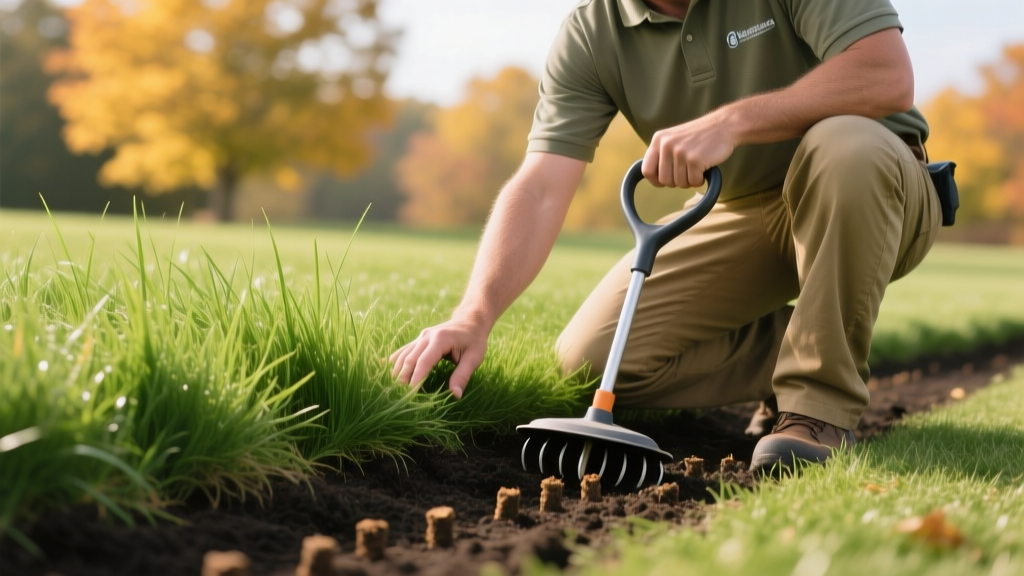
Core Aeration & Overseeding Tall Fescue: Fall 2026 Guide
The Foundation of Landscape Design: A Healthy Lawn
When planning a comprehensive landscaping project, it is easy to become hyper-focused on hardscaping elements, ornamental garden beds, and outdoor living spaces. However, the true canvas of any residential landscape is the lawn. A dense, vibrant turf not only provides a lush backdrop for your design features but also plays a critical role in soil stabilization, drainage management, and overall curb appeal. For homeowners in the transition zone and northern climates, Tall Fescue is a premier cool-season grass choice due to its deep root system and drought tolerance. Yet, even the best turfgrass cultivars require rigorous seasonal maintenance to thrive. The most impactful practice you can undertake for your landscape is fall core aeration and overseeding.
Why Fall is the Prime Time for Tall Fescue
Tall fescue thrives in the cooler temperatures of autumn. During the summer months, cool-season grasses often enter a state of dormancy or experience severe stress from heat and drought, leading to thinning turf and weed infiltration. As soil temperatures drop to between 50°F and 65°F in early fall, tall fescue enters its peak growing season. This window provides the ideal environment for seed germination and deep root establishment before the ground freezes. According to the NC State Extension Tall Fescue Lawn Maintenance Calendar, late August through October is the optimal timeframe for seeding and renovating cool-season lawns, allowing the grass to outcompete winter annual weeds like poa annua.
The Science of Core Aeration in Landscaping
Over time, foot traffic, heavy landscaping equipment, and natural soil settling lead to soil compaction. Compacted soil restricts the movement of oxygen, water, and nutrients to the root zone, effectively suffocating your lawn. Core aeration involves using a specialized machine to extract small plugs of soil (typically 2 to 3 inches deep and 0.5 inches in diameter) from the lawn.
As noted by Penn State Extension, core aeration is vastly superior to spike aeration. While spike aerators simply poke holes and can actually increase compaction along the sides of the holes, core aerators physically remove soil mass. This relieves compaction, stimulates microbial activity, and creates perfect micro-environments for new seed to fall into and establish direct soil contact. Furthermore, the extracted soil cores left on the surface break down with rain and mowing, top-dressing the lawn with beneficial microorganisms and helping to break down thatch.
Step-by-Step Core Aeration and Overseeding Guide
Step 1: Preparation and Mowing
Before bringing heavy equipment onto your landscape, prepare the turf. Mow your existing tall fescue lawn shorter than usual, aiming for a height of about 1.5 to 2 inches. This low cut reduces competition for the new seedlings and allows the aeration tines to penetrate the soil more effectively. Rake the lawn thoroughly to remove leaves, debris, and dead grass clippings that could block the seed from reaching the soil.
Step 2: Marking Utilities and Irrigation
This step is critical for protecting your landscape infrastructure. Use bright landscaping flags to mark all sprinkler heads, valve boxes, and shallow utility lines. Hitting an irrigation head with a 300-pound core aerator will result in costly repairs and disrupt your watering schedule during the critical germination phase.
Step 3: The Core Aeration Process
Rent a walk-behind core aerator from a local equipment supply store. For heavily compacted areas or clay-heavy soils, make two passes over the lawn: the first in a North-South direction, and the second in an East-West direction. Ensure the soil is slightly moist before aerating; if the ground is bone dry, water the lawn deeply 24 hours prior so the tines can easily extract 3-inch plugs. If the soil is too wet and muddy, wait a few days to avoid tearing the turf and worsening compaction.
Step 4: Selecting the Right Seed and Fertilizer
Not all tall fescue is created equal. Avoid generic 'Kentucky 31' forage seed, which is coarse and light green. Instead, invest in a premium Turf-Type Tall Fescue (TTTF) blend. Look for a mix containing at least three different cultivars (such as Falcon, Titan, or Rebel) to ensure genetic diversity, which provides natural resistance to diseases like brown patch. Pair your seed with a high-quality starter fertilizer. A formulation like 10-18-10 (Nitrogen-Phosphorus-Potassium) provides the essential phosphorus needed for rapid root development in new seedlings.
Step 5: Overseeding Techniques
Use a broadcast spreader to apply the seed evenly across the lawn. For best coverage, split your total seed application in half. Apply the first half walking in horizontal rows, and the second half walking in vertical rows (a crisscross pattern). The aeration holes will naturally catch a significant portion of the seed, protecting it from birds and wind while ensuring vital seed-to-soil contact.
Overseeding Rates and Spreader Settings
Applying the correct amount of seed is crucial. Too little seed results in patchy establishment, while too much seed leads to overcrowding, weak root systems, and fungal diseases. Refer to the table below for precise application rates based on your lawn's current condition.
| Lawn Condition | Seed Rate (lbs / 1,000 sq ft) | Spreader Setting (Example) | Expected Germination Time |
|---|---|---|---|
| Thick Lawn (Preventative Overseeding) | 2.0 - 3.0 lbs | Lesco: 12 / Scotts: 5 | 7 - 10 Days |
| Thinning Lawn (Moderate Renovation) | 4.0 - 5.0 lbs | Lesco: 14 / Scotts: 7 | 7 - 14 Days |
| Bare Spots (Heavy Renovation) | 6.0 - 8.0 lbs | Lesco: 16 / Scotts: 9 | 10 - 14 Days |
Step 6: The Critical Watering Schedule
Water is the single most important factor in overseeding success. For the first 14 to 21 days, the top inch of soil must remain consistently moist. This typically requires watering the lawn lightly for 10 to 15 minutes, two to three times per day, depending on sun exposure and wind. Once the seedlings reach a height of 2 inches and have been mowed once, transition to a deep, infrequent watering schedule—applying about 1 inch of water per week to encourage the deep root growth that tall fescue is famous for.
DIY Costs vs. Professional Landscaping Services
When integrating lawn care into your broader landscaping budget, you must weigh the costs of DIY against hiring professional turf management companies.
- DIY Route: Renting a core aerator typically costs between $70 and $100 for a half-day. Premium TTTF seed costs roughly $8 to $12 per pound, meaning a 50lb bag (covering 5,000 to 8,000 sq ft) will run about $400 to $600. Add $40 for starter fertilizer. Total DIY cost for a 5,000 sq ft lawn is approximately $550 to $750, plus a full day of intense physical labor.
- Professional Route: Landscaping and lawn care professionals generally charge between $0.15 and $0.25 per square foot for a combined aeration and overseeding service. For a 5,000 sq ft lawn, expect to pay between $750 and $1,250. While more expensive, professionals use commercial-grade drag-behind aerators and slice seeders that guarantee superior soil penetration and seed placement.
Common Mistakes to Avoid
Even seasoned landscaping enthusiasts can make errors during the fall renovation window. Avoid these common pitfalls:
- Using Pre-Emergent Herbicides: Pre-emergents prevent crabgrass by stopping all seed germination. If you apply a pre-emergent in late summer, your fall tall fescue seed will not grow. Always check product labels and avoid pre-emergents within 60 days of overseeding.
- Burying the Seed: Tall fescue seed requires some sunlight to germinate and should not be buried deeper than 1/4 inch. Do not cover your newly seeded lawn with thick layers of topsoil or straw; a light dusting of peat moss or compost is sufficient to retain moisture.
- Neglecting Soil pH: Tall fescue prefers a soil pH between 6.0 and 7.0. If your soil is highly acidic, the grass will struggle to uptake the nutrients from your starter fertilizer. Conduct a soil test via your local university extension office and apply pelletized lime if necessary.
'A successful landscape design relies on the integration of all living and non-living elements. A meticulously maintained, aerated, and overseeded tall fescue lawn provides the ultimate visual anchor for your garden beds, patios, and retaining walls.'
Conclusion
Core aeration and overseeding are not just routine lawn care tasks; they are foundational landscaping practices that dictate the health, drainage efficiency, and aesthetic appeal of your entire property. By understanding the biological needs of tall fescue, timing your aeration to the fall window, and utilizing precise seed and fertilizer applications, you can transform a tired, compacted yard into a lush, resilient landscape. For further reading on regional turfgrass management and soil health, consult resources from the University of Minnesota Extension or your local agricultural extension office to tailor these techniques to your specific microclimate.

