
Landscaping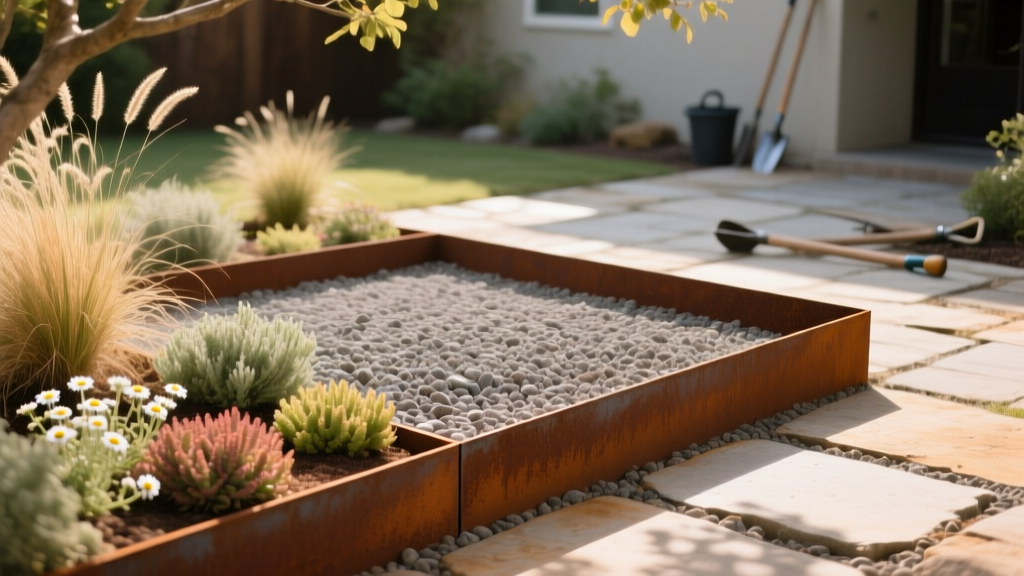
Viral Corten Steel Edging & Gravel Garden DIY Guide
Emily WatsonPublished
The Rise of the Viral Gravel Garden
If you have spent any time on landscape design TikTok, Instagram Reels, or Pinterest over the past year, you have undoubtedly noticed a massive shift away from traditional turf grass and plastic landscape borders. The undisputed champion of modern, low-maintenance outdoor spaces is the gravel garden framed by rusted corten steel edging. This striking combination offers an industrial yet organic aesthetic that perfectly complements contemporary architecture, drought-tolerant planting schemes, and sustainable landscaping practices.
Homeowners and professional landscapers alike are abandoning high-maintenance lawns in favor of dynamic, textural gardens that require a fraction of the water and upkeep. But achieving this high-end, architectural look does not require a massive budget or a professional crew. With the right materials and a weekend of labor, you can install a viral-worthy gravel garden right in your own front or backyard.
Why Corten Steel and Gravel are Dominating Landscape Trends
Corten steel, also known as weathering steel, is designed to develop a protective layer of rust when exposed to the elements. This rust patina not only prevents further corrosion but also provides a stunning, warm terracotta color that contrasts beautifully with silver-green foliage and muted gravel tones. When paired with a permeable gravel mulch, this hardscaping duo solves multiple landscaping problems at once:
- Drought Tolerance: Gravel mulch drastically reduces soil evaporation, keeping plant roots cooler and retaining moisture.
- Weed Suppression: A proper gravel base combined with heavy-duty geotextile fabric chokes out weeds far better than organic wood mulch, which breaks down and feeds weed seeds.
- Crisp Lines: The rigid nature of steel edging creates razor-sharp borders that separate garden beds from lawns or pathways, giving the landscape a manicured, intentional look.
According to the Royal Horticultural Society (RHS), a well-designed gravel garden not only suppresses weeds and conserves moisture but also provides an excellent, well-draining environment for alpine and Mediterranean plants that struggle in heavy, wet soils.
Materials Needed for the DIY Installation
Before breaking ground, you need to source the correct materials. Skimping on the base layers is the number one reason DIY gravel gardens fail. Here is your shopping list:
- Edging: 14-gauge or 10-gauge raw corten steel landscape edging (brands like Col-Met or EverEdge). Avoid pre-rusted options; let it patina naturally on-site.
- Gravel: 3/8-inch minus decomposed granite (DG) or crushed limestone. The 'minus' means it includes stone dust, which locks together like concrete when compacted. Avoid smooth pea gravel for high-traffic areas, as it shifts underfoot.
- Weed Barrier: Heavy-duty woven polypropylene geotextile fabric (minimum 3 oz per square yard). Do not use cheap, non-woven black plastic, which tears easily and blocks water drainage.
- Tools: Trenching spade, rubber mallet, steel stakes (usually included with edging), plate compactor (available for rent), and a landscaping rake.
Step-by-Step DIY Installation Guide
Step 1: Trenching and Layout
Use a garden hose to lay out the curve or straight lines of your garden bed. Once you are happy with the shape, use marking paint to trace the line. Dig a trench exactly 4 inches deep and 3 inches wide along your marked line. The depth is critical: you want the top of the steel edging to sit about 1/2 inch above the final grade of the gravel to prevent the stones from spilling over into adjacent lawn or walkways.
Step 2: Installing the Corten Steel Edging
Place the steel edging strips into the trench. Most commercial-grade steel edging comes in 8-foot lengths with interlocking ends. Overlap the joints by at least 4 inches and secure them using the provided steel stakes. Drive the stakes down with a sledgehammer or heavy mallet until they are flush with the top of the edging. For curves, gently bend the steel by hand or use a wooden block and mallet to create smooth, sweeping radii without kinking the metal.
Step 3: Prepping the Base and Fabric
Remove all existing grass, weeds, and organic debris from the bed area. If you are dealing with aggressive weeds like Bermuda grass, apply a targeted herbicide or use a sod cutter to remove the top 2 inches of soil. Once the soil is bare and relatively level, roll out your woven geotextile fabric. Overlap the fabric seams by at least 6 inches and secure them to the soil using 6-inch landscape staples every 3 feet. Run the fabric up against the back of the steel edging to create a seamless weed block.
Step 4: Spreading and Compacting the Gravel
Order your 3/8-inch minus decomposed granite from a local landscape supply yard (it is significantly cheaper in bulk than in bags). Spread the DG over the fabric to a depth of 2.5 to 3 inches. Use a landscaping rake to level it out, keeping it about 1/2 inch below the top of your steel edging. Finally, rent a vibratory plate compactor and run it over the gravel in multiple directions. The vibration forces the stone dust into the crevices, creating a firm, permeable surface that resists erosion and foot traffic.
Cost Breakdown: Corten Steel vs. Traditional Edging
While the initial investment for corten steel is higher than suburban hardware store staples, the longevity and aesthetic payoff make it a superior choice for modern landscaping. Below is a comparison of popular edging materials based on current national averages.
| Edging Material | Avg. Cost (Per Linear Ft.) | Lifespan | Aesthetic Profile |
|---|---|---|---|
| Corten Steel (14-gauge) | $4.50 - $7.00 | 40+ Years | Modern, rustic, architectural |
| Powder-Coated Aluminum | $2.50 - $4.00 | 20-30 Years | Clean, minimal, painted |
| Extruded Plastic | $0.80 - $1.50 | 5-10 Years | Suburban, prone to warping and UV damage |
| Poured Concrete | $6.00 - $10.00 | 30+ Years | Permanent, requires professional forming |
Best Plants for a Viral Gravel Garden
A gravel garden is only as good as its planting scheme. The goal is to mimic natural, well-draining environments like alpine meadows or Mediterranean hillsides. The legendary Beth Chatto Gardens pioneered the 'right plant, right place' philosophy, proving that drought-tolerant plants thrive in gravel without supplemental irrigation once established. Here are the top trending plants to incorporate:
- Ornamental Grasses: Stipa tenuissima (Mexican Feather Grass) and Calamagrostis x acutiflora 'Karl Foerster' provide essential movement and catch the wind, softening the hard lines of the steel edging.
- Architectural Succulents: Agave parryi and Yucca rostrata serve as dramatic focal points. Their structural rosettes look incredible against the rusted steel backdrop.
- Pollinator Magnets: Agastache 'Blue Fortune' and Salvia nemorosa 'Caradonna' offer spikes of purple and blue that contrast beautifully with the warm, orange-toned gravel and rusted metal.
- Groundcovers: Allow creeping thyme or Sedum spurium to spill over the steel edging slightly, breaking up the rigid geometry and integrating the hardscape into the garden.
When planting, simply cut an 'X' into the geotextile fabric, fold back the flaps, dig your hole, and plant. Pull the fabric flaps back tight around the base of the plant and cover the cut with gravel to prevent weed seeds from finding the exposed soil.
Maintenance and Longevity Tips
One of the main reasons this landscape design goes viral is its remarkably low maintenance profile. However, 'low maintenance' does not mean 'no maintenance.' To keep your gravel garden looking pristine and camera-ready, follow these seasonal tips:
- Leaf Management: In the fall, do not use a metal rake on the gravel, as it will tear the fabric and displace the stones. Instead, use a backpack leaf blower on a low setting to gently remove fallen leaves and debris from the surface.
- Weed Control: While the fabric stops 95% of weeds, wind-blown seeds can occasionally land in the top layer of gravel and sprout. Spot-treat any rogue weeds with a targeted organic herbicide or pull them by hand immediately before they establish deep roots.
- Gravel Top-Ups: Over time, gravel may settle or migrate. Plan to order a small top-dressing of fresh decomposed granite every 3 to 5 years to maintain the 2.5-inch depth and keep the landscape looking fresh.
- Steel Patina Care: Corten steel will naturally rust and may occasionally leave rust stains on adjacent concrete or stone pavers. If your steel edging borders a light-colored patio, apply a clear, matte polyurethane sealer to the back side of the steel facing the concrete to prevent runoff staining.
The Environmental Impact
Beyond aesthetics, transitioning to a gravel garden is a powerful step toward sustainable landscaping. For those looking to reduce outdoor water consumption, the EPA WaterSense program highlights that replacing turf with drought-tolerant, water-wise gardens can reduce landscape water use by up to 50% or more. By combining permeable gravel surfaces with native or adapted plants, you are reducing runoff, conserving municipal water supplies, and creating a resilient landscape that will look stunning for decades to come.
Whether you are looking to boost your curb appeal, lower your water bill, or simply create a stunning backdrop for your outdoor living space, the combination of corten steel edging and a compacted gravel garden is a viral trend that is here to stay. Grab a trenching spade, order your steel, and start transforming your landscape this weekend.

