
Landscaping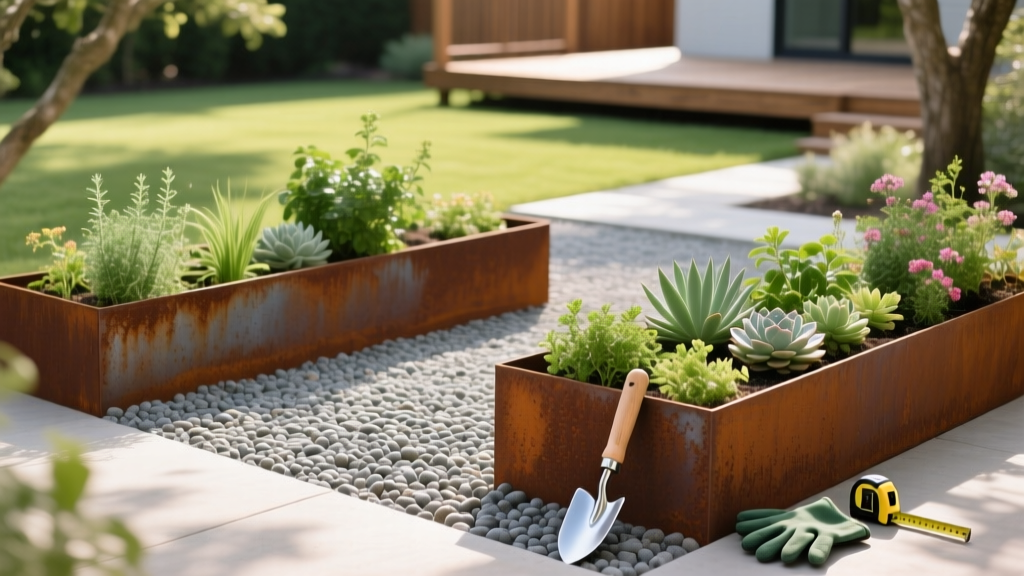
Viral Backyard Makeover: Corten Steel and Gravel Patios
Emily WatsonPublished
The Viral Appeal of Industrial-Chic Landscaping
Over the past few years, social media platforms like TikTok, Instagram, and Pinterest have been dominated by a specific backyard aesthetic: the modern industrial garden. Characterized by the rich, rusted patina of Corten steel raised beds contrasting against the clean, crisp texture of pea gravel patios, this landscaping trend has taken the DIY and professional design worlds by storm. Homeowners are rapidly abandoning high-maintenance turf grass in favor of drought-tolerant, low-maintenance, and highly visual outdoor living spaces.
But beyond the viral aesthetics, there is serious functional value to this design. Gravel patios offer superior drainage, eliminate the need for mowing, and provide an immediate, usable surface for outdoor furniture. Meanwhile, Corten steel (weathering steel) provides a lifespan that far exceeds traditional timber, while naturally developing a protective rust layer that eliminates the need for chemical sealants. According to the Royal Horticultural Society (RHS), gravel gardens are not only highly sustainable and drought-resistant, but they also provide excellent habitats for ground-level pollinators when planted with the right alpine and Mediterranean species.
Material Showdown: Corten Steel vs. Traditional Wood
Before diving into the installation process, it is crucial to understand why landscape architects and viral DIYers are pivoting away from cedar and composite wood toward weathering steel. The Penn State Extension notes that while untreated wood eventually rots and treated wood can leach chemicals, Corten steel forms a stable, rust-like appearance after exposure to the weather, which acts as a protective barrier against further corrosion.
| Material | Lifespan | Average Cost (4x8 Bed) | Pros | Cons |
|---|---|---|---|---|
| Corten Steel (14-gauge) | 25-50+ Years | $250 - $450 | Rot-proof, modern aesthetic, no sealing required, structural integrity. | Can stain adjacent concrete during initial rusting phase; heavy. |
| Western Red Cedar | 10-15 Years | $150 - $250 | Natural rot resistance, lightweight, classic look, affordable. | Fades to gray, eventually rots, requires occasional sealing. |
| Composite Wood | 20-30 Years | $300 - $500 | Zero maintenance, rot-proof, consistent color. | Can warp in high heat, lacks natural aesthetic, expensive. |
| Corrugated Galvanized | 15-25 Years | $100 - $180 | Very affordable, lightweight, farm-house aesthetic. | Sharp edges, zinc coating eventually wears off, less rigid. |
Step-by-Step Guide to a Flawless Pea Gravel Patio
The biggest mistake DIYers make when installing a gravel patio is simply dumping stones over bare dirt. This leads to rampant weed growth, muddy puddles, and gravel that migrates into the surrounding lawn. To achieve the flawless, viral-worthy finish seen on design blogs, you must build a proper foundation.
1. Excavation and Base Preparation
Mark your patio area using landscaping spray paint. For a standard seating area, a 10x10 or 12x12-foot square is ideal. You will need to excavate the entire area to a depth of exactly 5 to 6 inches. This depth accounts for a 3-to-4-inch base layer of crushed limestone (often called #57 stone or road base) and a 2-to-3-inch top layer of 3/8-inch washed pea gravel.
Once excavated, use a hand tamper or a rented mechanical plate compactor to firmly pack the native soil. Next, spread your crushed limestone base evenly across the area. The sharp edges of the crushed limestone will lock together when compacted, creating a concrete-like sub-base that allows water to drain through while preventing the patio from shifting or sinking over time. Compact this base layer thoroughly until it is completely flat and firm.
2. Edging and Weed Barrier Installation
Gravel is a fluid material; without proper edging, it will scatter into your garden beds or lawn. Install heavy-duty aluminum or steel bender-board edging around the perimeter of your excavated area. Secure the edging with 12-inch steel stakes driven every 3 feet. Ensure the top of the edging sits about half an inch below the final desired height of your gravel to create a clean, hidden border.
Next, lay down a high-quality, woven geotextile landscape fabric over the compacted base. The University of Minnesota Extension strongly recommends using woven polypropylene fabrics rather than cheap, solid black plastic sheets. Plastic traps water and creates a muddy slip-plane, whereas woven fabric allows water to permeate into the soil while blocking sunlight from reaching weed seeds beneath the surface. Overlap your fabric seams by at least 6 inches and secure them with landscape fabric staples.
3. Laying and Tamping the Gravel
Order 3/8-inch washed pea gravel from a local landscape supply yard. The term "washed" is critical, as it means the stone dust has been removed, ensuring optimal drainage and a cleaner look. Spread the gravel evenly over the landscape fabric using a landscaping rake, aiming for a consistent depth of 2.5 to 3 inches. Lightly mist the gravel with a garden hose to settle the dust, and do a final pass with a lightweight hand tamper or a roller to lock the stones into a relatively firm, walkable surface.
Sourcing and Assembling Corten Steel Raised Beds
Corten steel raised beds are typically shipped flat-packed and bolted together on-site. When purchasing, look for beds made from 14-gauge or 3/16-inch thick steel. Thinner gauges (like 20-gauge) will bow and warp under the immense lateral pressure of wet soil.
When assembling the beds, place them directly on top of your finished gravel patio or on a dedicated base of crushed stone. To protect the steel from constant moisture and to prevent soil from leaching excess iron into your garden, line the interior walls of the steel bed with heavy-duty HDPE plastic or dimpled drainage board before filling it with soil. Leave the bottom open to the ground to ensure proper drainage and allow earthworms to access the bed.
Pro-Tip for the Patina: Corten steel takes several months of natural rain and sun exposure to develop its signature rusted patina. If you want to accelerate this process for an immediate viral-ready photo, mix a solution of equal parts white vinegar, hydrogen peroxide, and a pinch of salt in a spray bottle. Mist the exterior of the steel beds daily for a week, and you will see a rich, uniform orange-brown rust develop in a fraction of the time.
Cost Breakdown for a 10x10 DIY Makeover
Understanding the budget is essential before starting your hardscaping project. Here is a realistic cost breakdown for a 100-square-foot (10x10) pea gravel patio flanked by two 4x8 Corten steel raised garden beds, based on national average material costs:
- Excavation & Base Material: 1.5 tons of crushed limestone (#57 stone) at roughly $50 per ton = $75
- Landscape Edging: 40 feet of commercial-grade aluminum edging with stakes = $120
- Landscape Fabric: One 3x50 ft roll of commercial woven geotextile fabric = $85
- Pea Gravel: 1.5 tons of 3/8-inch washed pea gravel at roughly $70 per ton = $105
- Corten Steel Beds: Two 4x8 ft beds (14-gauge, 17 inches tall) at $300 each = $600
- Organic Garden Soil: 2 cubic yards of premium raised bed mix delivered = $180
- Miscellaneous Hardware & Tools: Staples, bolts, spray paint, tamper rental = $95
Total Estimated Material Cost: $1,260
While the upfront cost is higher than simply laying down sod or mulch, the near-zero maintenance costs and the 30+ year lifespan of these materials make the return on investment incredibly favorable compared to traditional landscaping.
Maintenance and Long-Term Care
The primary draw of the Corten and gravel trend is the drastic reduction in weekend yard work. However, "low maintenance" does not mean "no maintenance." To keep your space looking pristine, you will need to use a leaf blower on a low setting to clear autumn leaves and debris from the gravel surface. Avoid using heavy metal rakes, which can tear the underlying landscape fabric.
Every three to four years, the gravel may begin to thin out or migrate into the soil below. Plan to order an additional half-ton of pea gravel to "top dress" the patio and restore its original depth and vibrant color. For the Corten steel beds, inspect the exterior annually. If you notice the rust patina rubbing off onto nearby concrete pavers, you can apply a clear, matte polyurethane sealant to the exterior of the steel to lock the rust in place and prevent staining, though this will slightly alter the natural matte finish.
By combining the structural longevity of weathering steel with the permeable, low-maintenance benefits of a properly engineered gravel base, you can create a stunning, modern outdoor living space that not only dominates social media feeds but also stands the test of time in your own backyard.

