
Landscaping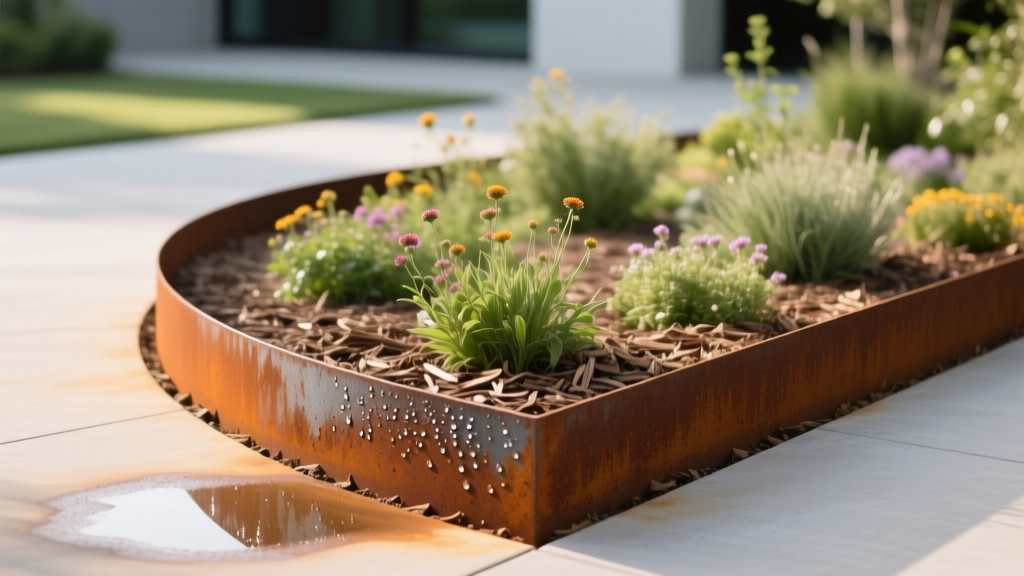
Corten Steel Landscape Edging: The Viral Garden Trend
David ParkPublished
The TikTok and Instagram Phenomenon: Why Corten Steel?
If you have spent any time scrolling through landscaping reels on TikTok or Instagram over the past year, you have undoubtedly noticed a distinct, rusty orange metal weaving through lush green lawns and vibrant garden beds. Corten steel landscape edging has taken the viral gardening world by storm, replacing traditional plastic, wood, and concrete borders with a sleek, industrial-chic aesthetic. But this trend is not just about good looks; it is a highly functional, long-lasting solution that landscape architects and DIY enthusiasts are championing for its durability and zero-maintenance profile.
According to design experts featured in Garden Design Magazine, the shift toward weathering steel in residential landscapes reflects a broader desire for modern, low-maintenance materials that age beautifully over time. Unlike plastic edging that cracks in the frost or wood that rots within a few seasons, Corten steel offers a permanent boundary that actually improves in appearance as it weathers.
What is Corten Steel? The Science Behind the Rust
Corten steel, technically known as weathering steel, is a group of steel alloys originally developed to eliminate the need for painting in outdoor construction. When exposed to the elements, it forms a dense, protective layer of rust-like patina. This patina is not a sign of decay; rather, it acts as a shield that prevents further corrosion from penetrating the core of the metal.
The secret lies in its chemical composition. By adding elements like copper, chromium, nickel, and phosphorus, the steel develops a stable rust layer that adheres tightly to the surface. For gardeners, this means you get the gorgeous, earthy terracotta and burnt-orange hues that perfectly complement green foliage and natural stone, without the structural integrity of the metal being compromised.
Corten Steel vs. Traditional Edging Materials
Before ripping out your old garden borders, it is essential to understand how Corten steel stacks up against the alternatives. The University of Minnesota Extension notes that proper edging is crucial for reducing landscape maintenance and preventing grass from invading garden beds. Here is how weathering steel compares to other popular materials:
| Material | Avg. Cost (Per Linear Ft.) | Lifespan | Maintenance Level | Aesthetic Appeal |
|---|---|---|---|---|
| Corten Steel | $4.00 - $7.00 | 50+ Years | Zero | Modern, Rustic, Industrial |
| Aluminum | $3.00 - $5.00 | 30+ Years | Low | Sleek, but can dent easily |
| Pressure-Treated Wood | $1.50 - $3.00 | 10 - 15 Years | High (Rot/Insects) | Traditional, Natural |
| Plastic / Poly | $1.00 - $2.00 | 5 - 10 Years | Medium (Heaving) | Cheap, often visible |
| Poured Concrete | $6.00 - $10.00 | 30+ Years | Low (Cracking) | Bulky, permanent |
As highlighted by This Old House, while the upfront cost of metal edging is higher than plastic or wood, the lifetime value is vastly superior because it will likely outlast the gardener who installs it.
5 Viral Ways to Use Corten Steel in Your Landscape
- Seamless Lawn-to-Bed Transitions: Create a crisp, mow-over edge that stops turfgrass from creeping into your mulch beds.
- Tiered Retaining Walls: Use taller Corten panels (12 to 24 inches) to build modern, terraced raised beds for vegetables or ornamental grasses.
- Modern Tree Rings: Wrap the base of specimen trees with flexible Corten strips to protect roots from string trimmers while adding a sculptural element.
- Driveway and Pathway Borders: Frame gravel walkways or asphalt driveways to keep aggregate contained and prevent soil erosion.
- Water Feature Accents: Contrast the rusted metal with the cool blue of a modern pond or corten steel water blade.
DIY Installation: How to Get Those Perfect Crisp Lines
One of the reasons this trend has gone viral is that it is surprisingly DIY-friendly. Corten steel edging typically comes in strips that are 4 to 6 inches tall and about 8 feet long, making them easy to transport and manipulate. Here is a step-by-step guide to achieving professional results:
Step 1: Trenching the Perimeter
Use a half-moon edger or a motorized trencher to dig a narrow trench along your desired border line. The trench should be about 2 to 3 inches deep and roughly 2 inches wide. This depth ensures that the edging sits slightly above the soil line (to block mulch and grass) while remaining low enough for your lawnmower wheels to pass over.
Step 2: Placing and Connecting the Panels
Drop the steel panels into the trench. Most commercial landscape-grade Corten edging features overlapping slots or pre-drilled holes. Secure the joints using the provided steel stakes or carriage bolts. For curved garden beds, gently bend the steel by hand or use a piece of scrap wood as a lever to create smooth, sweeping radii.
Step 3: Backfilling and Tamping
Once the entire perimeter is connected and aligned, backfill the trench on both sides of the steel with native soil or crushed gravel. Use a hand tamper to pack the soil tightly against the metal. This lateral pressure is what keeps the edging upright and prevents frost heave during winter.
Step 4: The Viral Patina Hack
Corten steel naturally takes several months to a year to develop its full rust patina depending on your local climate. However, a popular viral hack among landscapers involves accelerating the process. By spraying the bare steel with a mixture of equal parts white vinegar, hydrogen peroxide, and a handful of salt, you can force the metal to oxidize and develop a rich, rusty orange hue in a matter of hours.
Cost Breakdown: Is the Viral Trend Worth the Price Tag?
For an average-sized suburban front yard requiring about 100 linear feet of garden bed edging, here is what you can expect to spend:
- Materials (4-inch tall Corten strips): $450 to $600
- Connecting Stakes and Hardware: $50 to $80
- Delivery / Shipping: $75 to $150 (due to the weight of steel)
- Tools (Trencher rental if needed): $75 per day
Totaling around $650 to $900, the project is a significant investment compared to a $100 roll of plastic edging. However, when you factor in the elimination of annual bed re-edging, mulch containment, and the sheer boost to your home curb appeal, the return on investment is substantial.
Potential Drawbacks and Safety Considerations
While Corten steel is a landscaping superstar, it is not without a few quirks. First, during the initial rusting phase, the metal will leach iron oxide into the surrounding soil and can stain adjacent concrete or stone pavers with rusty runoff. It is highly recommended to install Corten steel away from light-colored hardscaping, or to seal the exterior-facing side of the steel if it borders a concrete driveway.
Additionally, the leaching of iron can slightly alter soil pH and nutrient levels over time. While this is generally beneficial for acid-loving plants and those prone to iron chlorosis, it is something to monitor if you are growing highly sensitive vegetables directly against the metal. Finally, always wear heavy leather gloves when handling raw steel panels, as the edges can be sharp enough to cause serious lacerations before they are buried in the trench.
Final Thoughts on the Corten Steel Trend
The viral obsession with Corten steel landscape edging is a rare instance where internet aesthetics perfectly align with practical, long-term landscaping solutions. By investing in weathering steel, you are drawing a permanent, beautiful line in the soil that will elevate your outdoor space for decades to come.

