
Landscaping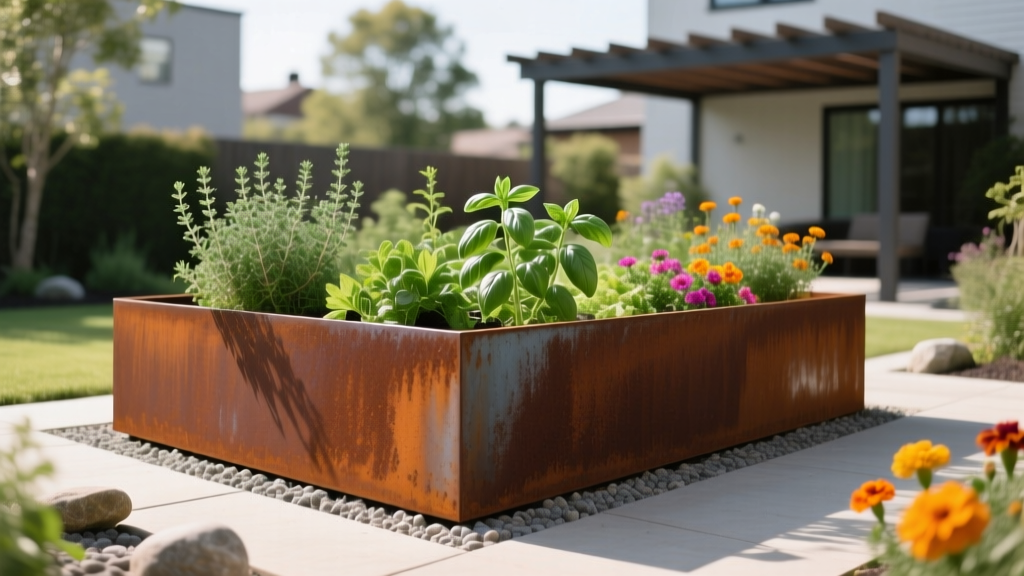
DIY Corten Steel Raised Beds: The Viral Garden Trend
Mike RodriguezPublished
The Rise of Corten Steel in Viral Landscape Design
If you have spent any time scrolling through TikTok, Instagram, or Pinterest landscaping feeds over the past year, you have undoubtedly noticed a massive shift in garden design. The rustic, rotting timber raised beds of the 2010s are being rapidly replaced by sleek, rusted metal panels. This is the era of Corten steel raised garden beds, a viral landscaping trend that perfectly bridges the gap between modern architectural design and the 'modern homesteading' movement. But beyond the striking, photogenic orange-brown patina, is Corten steel actually practical for your backyard? In this comprehensive guide, we break down the science of weathering steel, provide a step-by-step DIY installation guide, share the viral hack for accelerating the rust patina, and outline exactly how much this trending hardscape feature will cost you.
What Exactly is Corten (Weathering) Steel?
Corten steel, technically known as ASTM A606 Type 4 weathering steel, was originally developed in the 1930s for railroad coal wagons to eliminate the need for constant painting. The secret to its durability lies in its unique chemical composition, which includes strategic amounts of copper, chromium, nickel, and phosphorus. When exposed to the elements, these alloying elements react with oxygen and moisture to form a dense, protective layer of rust on the surface. Unlike standard steel, which rusts continuously until it structurally fails, the patina on Corten steel acts as a shield that halts further corrosion. According to architectural experts at ArchDaily, this self-healing oxide layer can extend the lifespan of the steel to over 50 years with zero maintenance, making it an incredibly sustainable and long-term investment for landscape architecture.
Material Showdown: Corten Steel vs. Traditional Raised Beds
Before you rip out your old cedar planters, it is important to understand how Corten steel stacks up against traditional raised bed materials. Below is a comparison chart detailing the differences in cost, longevity, and maintenance for a standard 4-foot by 8-foot garden bed.
| Material | Avg. Cost (4x8) | Lifespan | Maintenance | Aesthetic Profile |
|---|---|---|---|---|
| Corten Steel | $450 - $800 | 50+ Years | None | Modern, Industrial, Rustic |
| Cedar Wood | $150 - $300 | 10 - 15 Years | Annual Sealing | Traditional, Natural |
| Concrete Blocks | $100 - $200 | 100+ Years | Weed pulling | Utilitarian, Brutalist |
| Composite Timber | $300 - $500 | 25 - 30 Years | Washing | Uniform, Suburban |
Step-by-Step Guide to Installing Corten Steel Planters
1. Planning and Sizing
The most common viral size for Corten beds is 4 feet wide by 8 feet long, with a depth of 18 to 24 inches. This depth is crucial for growing deep-rooted vegetables like tomatoes and carrots while providing enough soil volume to buffer against rapid temperature changes. Always ensure your chosen location receives at least 6 to 8 hours of direct sunlight.
2. Site Preparation and Base Layer
Never place Corten steel directly on soil or grass, as moisture trapping will cause the bottom edge to degrade prematurely. Excavate a trench 4 inches deep and 6 inches wide along the perimeter of your bed. Fill this trench with 3/4-inch angular crushed gravel. Do not use pea gravel; angular gravel locks together to create a stable, level foundation that promotes drainage. Use a tamper and a spirit level to ensure the base is perfectly flat.
3. Assembly and Securing
Most DIY Corten kits come with pre-drilled holes and corner brackets. Assemble the panels on a flat surface using 1/4-inch stainless steel bolts and nylon lock nuts. Stainless steel is mandatory; using standard zinc-plated hardware will result in rusted, seized bolts within a single season. Once assembled, lift the bed into place over your gravel trench. For added stability in windy areas or on sloped terrain, drive 2-foot steel rebar stakes into the ground on the inside corners and bolt them to the bed frame.
4. Insulation and Filling
Metal is a highly conductive material. In the peak of summer, the steel walls can heat up and cook the roots of plants touching the perimeter. To combat this, line the interior walls with reflective bubble foil insulation before adding soil. When it comes to filling the bed, do not waste money filling a 24-inch deep bed entirely with premium potting mix. Instead, utilize the viral 'Hugelkultur' method. Fill the bottom 12 inches with decaying logs, twigs, and dry leaves. This organic matter will slowly break down, retaining moisture and providing a slow-release nutrient source. Top the remaining 12 inches with a high-quality raised bed soil mix. The University of Maryland Extension recommends a mix of 50% topsoil, 30% compost, and 20% coarse sand or perlite for optimal drainage and root development.
Accelerating the Rust Patina (The Viral TikTok Hack)
One of the most searched questions regarding this trend is how to achieve that gorgeous, uniform rust patina quickly. When you first unbox Corten steel, it looks like standard, shiny grey metal. Left to nature, it can take 6 to 12 months of rain and sun cycles to develop a full patina. Fortunately, landscape influencers have popularized a highly effective chemical acceleration hack. Mix equal parts white vinegar and 3% hydrogen peroxide in a spray bottle, and add one tablespoon of table salt. Shake well and spray the solution generously over the steel panels. You will see the metal begin to oxidize and turn orange within minutes. Repeat this process once a day for five days, allowing the panels to dry in the sun between applications. This forces a rapid, even oxidation process, giving you a 5-year patina in less than a week.
Pro Landscaper Tip: Always wear gloves and eye protection when applying the vinegar and peroxide solution. The mixture is mildly corrosive and can irritate the skin. Furthermore, avoid spraying on windy days to prevent the solution from drifting onto your existing plant foliage, which can cause leaf burn.
Preventing Rust Runoff on Hardscaping
While Corten steel is relatively low maintenance, the rust runoff during the initial weathering phase can be a nightmare for your hardscaping. The tannins and iron oxide will permanently stain concrete pavers, light-colored natural stone, and wooden decks. To prevent this, never install Corten beds directly against a patio or walkway. Instead, create a 6-inch buffer zone filled with dark river rock or crushed black basalt. The dark stones will hide any initial runoff, and the gravel will allow the iron-rich water to percolate into the soil rather than pooling on your expensive hardscaping. Alternatively, you can apply a clear, matte polyurethane sealer to the bottom 3 inches of the exterior panels to stop the runoff at the source, though this slightly alters the natural industrial aesthetic.
Cost Breakdown for a 4x8 Foot Corten Bed
To give you a realistic idea of the investment required, here is a detailed cost breakdown for installing one premium 4x8 foot, 18-inch deep Corten steel raised bed in your landscape.
- Corten Steel Kit (Panels and Brackets): $550.00
- Stainless Steel Hardware: $25.00
- 3/4-inch Crushed Gravel (Base): $40.00
- Reflective Bubble Insulation: $30.00
- Organic Logs and Yard Waste (Hugelkultur Base): $0.00 (Foraged)
- Premium Raised Bed Soil (16 cubic feet): $120.00
- Patina Acceleration Supplies: $10.00
- Total Estimated Cost: $775.00
Final Thoughts
Corten steel raised beds represent the perfect intersection of viral internet aesthetics and genuine horticultural functionality. While the upfront cost is significantly higher than traditional timber, the zero-maintenance lifespan and striking architectural appeal make it a cornerstone of modern landscape design. Whether you are growing heirloom tomatoes, cultivating a cutting flower garden, or simply creating a bold structural focal point in your front yard, weathering steel offers a permanent, sustainable solution. As noted by the National Gardening Association, investing in permanent, high-quality raised bed infrastructure consistently yields higher crop outputs and greater long-term satisfaction for home gardeners. Embrace the rust, protect your hardscaping, and enjoy a garden feature that will outlast your mortgage.

