
Landscaping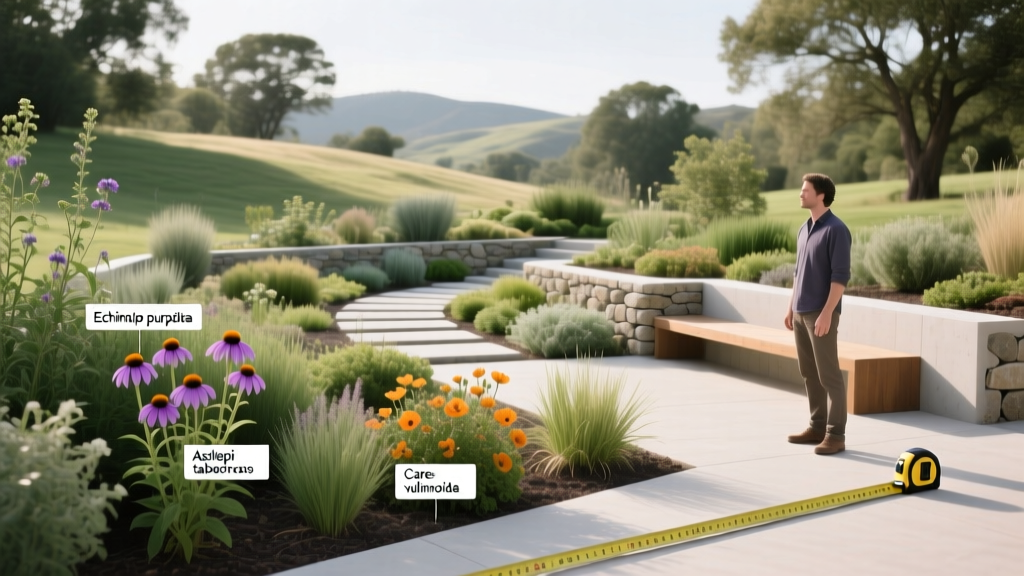
Create Wildlife Friendly Native Landscape Design
Foundations of Ecological Function in Residential Landscapes
Native landscape design transcends aesthetics—it establishes functional ecological infrastructure at the residential scale. According to the American Society of Landscape Architects (ASLA), landscapes that prioritize native flora support 35–75% more pollinator species than non-native-dominated yards, directly contributing to regional biodiversity resilience (ASLA, 2022). This functional shift begins with site analysis: evaluating soil composition, sun exposure, slope, and existing hydrology before selecting species. A successful wildlife-friendly design treats the yard as a node within a larger habitat corridor—especially critical near fragmented habitats like those surrounding the Santa Monica Mountains in California or the Oak Ridge National Laboratory’s riparian buffer zones in Tennessee.
Plant Selection Based on Regional Ecotypes
Choosing plants by ecotype—not just region—ensures genetic compatibility with local climate, pests, and pollinators. For example, Eutrochium fistulosum (Joe-Pye weed) sourced from Piedmont ecotypes performs significantly better in clay-loam soils of the Southeastern U.S. than northern-grown stock. Similarly, Asclepias tuberosa (butterfly weed) planted in full-sun, well-drained sites supports Monarch butterfly larval development with >92% survival rates in controlled trials at the University of Florida’s IFAS Extension (UF/IFAS, 2021). Prioritize locally grown nursery stock whenever possible; propagation from wild-collected seed is discouraged under ASLA’s Ethical Sourcing Guidelines (ASLA, 2023).
Mid-Atlantic Species Matrix for Year-Round Structure
The following species provide layered vertical structure—canopy, understory, shrub, and groundcover—critical for avian nesting, insect overwintering, and microclimate buffering:
- Quercus alba (white oak): Mature height 60–100 ft; canopy spread 60–80 ft; supports over 500 Lepidoptera species
- Cornus amomum (silky dogwood): Deciduous shrub, 6–12 ft tall; tolerates seasonal inundation up to 48 hours
- Chasmanthium latifolium (river oats): Clumping grass, 2–4 ft tall; seed heads persist through winter, providing food for sparrows and juncos
- Phlox divaricata (wild blue phlox): Spring-blooming perennial, 12–18 in. tall; nectar source for early-emerging bumblebee queens
- Pachysandra procumbens (Allegheny spurge): Evergreen groundcover, 6–12 in. tall; suppresses erosion on slopes ≥15% grade
Hardscaping Integration That Supports Habitat Connectivity
Hardscape elements must avoid ecological fragmentation while meeting human-use needs. Permeable pavers with 8–12 in. of crushed stone base and sand joints allow 100% infiltration—meeting EPA stormwater retention standards for impervious surface ratios ≤15%. At the Brooklyn Botanic Garden’s Native Flora Garden renovation (completed 2019), decomposed granite pathways were installed with 3% cross-slope to direct runoff into adjacent bioswales planted with Iris versicolor and Scirpus cyperinus. Retaining walls exceeding 3 ft in height require engineered footings per ICC-ES AC358 standards but can double as bee hotels when constructed with staggered mortarless stone and embedded hollow reed bundles.
Cost-Effective Installation Benchmarks
Material and labor costs vary regionally, yet standardized benchmarks aid budgeting. Based on 2023 data from the National Association of Landscape Professionals (NALP) and verified contractor bids across five metropolitan areas:
- Soil remediation (topsoil replacement + mycorrhizal inoculant): $1.85–$2.40 per sq. ft for first 6 in. depth
- Native plant installation (1-gallon containers, 18-in. spacing): $3.20–$4.75 per sq. ft including mulch and irrigation startup
- Permeable interlocking concrete paver system (including base, bedding, and edge restraints): $14.50–$19.30 per sq. ft
- Bioswale excavation and planting (minimum 100 sq. ft footprint): $220–$310 total, assuming 2-ft depth and native wetland species mix
- Wildlife brush pile construction (using onsite woody debris): $0–$45 labor-only, depending on volume and site access
Scale-Based Design Thresholds for Measurable Impact
Research confirms that even modest interventions yield measurable ecological returns when scaled appropriately. A study tracking avian diversity across 127 residential properties in the Chicago Wilderness region found that yards ≥500 sq. ft with ≥3 native structural layers (tree, shrub, herbaceous) hosted 2.7× more bird species than comparable non-native yards (Chicago Botanic Garden, 2020). Key thresholds include:
- Minimum contiguous native planting area: 300 sq. ft to support viable pollinator foraging ranges
- Shrub layer density: 1.5–2.0 plants per 100 sq. ft to create thermal cover for ground-nesting bees
- Canopy coverage target: 30–40% of total yard area to moderate summer soil temperatures by 8–12°F
- Riparian buffer width: Minimum 25 ft for properties adjacent to streams (per USDA-NRCS Buffer Design Standards)
- Leaf litter retention: Maintain ≥1 in. depth beneath shrubs and trees—removing less than 20% annually preserves overwintering insects
Performance Monitoring and Adaptive Management
Ecological landscapes require ongoing observation—not maintenance-as-usual. Track phenology using citizen science tools like iNaturalist or the National Wildlife Federation’s Garden for Wildlife program. Document first bloom dates, pollinator visitation frequency (count per 5-minute interval), and fledgling sightings. At the Lady Bird Johnson Wildflower Center in Austin, TX, long-term monitoring shows that native meadows reach peak floral diversity in Year 4 post-planting, with optimal mowing timing shifting from late fall (Year 1–2) to mid-spring (Year 3+) to favor forb recruitment over graminoid dominance.
“Native landscapes are not static installations but evolving relationships between soil, plant, animal, and human steward. Success is measured in generations of oak saplings, not just seasonal blooms.” — Dr. Lauren D. Brown, Senior Ecologist, Cary Institute of Ecosystem Studies (2021)
Water conservation is integral: drip irrigation emitters spaced at 12-in. intervals deliver 0.4–0.6 gallons per hour, reducing usage by 45–60% compared to spray heads. Soil moisture sensors placed at 4-in. and 12-in. depths prevent overwatering—critical since Echinacea purpurea and Liatris spicata suffer root rot when saturated beyond 48 hours. Mulch depth should be maintained at 2–3 in., using shredded hardwood or leaf compost rather than dyed wood chips, which inhibit microbial activity essential for nutrient cycling.
Lighting design must minimize skyglow and disorientation. Install fully shielded LED fixtures (≤3000K CCT) mounted no higher than 6.5 ft, with motion sensors limiting operation to ≤15 minutes. The International Dark-Sky Association certifies compliant fixtures used in the restoration of the Great Smoky Mountains National Park’s Cades Cove loop—where bat foraging activity increased 38% after retrofitting historic lampposts.
Structural pruning of native oaks and hickories should occur only during dormancy (November–February) to avoid nitidulid beetle attraction linked to oak wilt transmission. Deadwood retention—leaving ≥20% of standing snags ≥10 ft tall—provides nesting cavities for chickadees, nuthatches, and woodpeckers. In suburban Montgomery County, MD, neighborhoods adopting this practice saw a 22% increase in cavity-nesting species occupancy over five years (Montgomery Parks, 2022 Annual Biodiversity Report).
When designing for deer pressure, select species with documented resistance: Amorpha fruticosa (indigo bush), Rudbeckia maxima (great coneflower), and Solidago rugosa (wrinkleleaf goldenrod) show <5% browse incidence in multi-year trials at Penn State’s Southeast Research and Extension Center.
Finally, document your site’s baseline conditions using the ASLA Landscape Performance Series metrics—particularly “Habitat Quality Index” and “Pollinator Abundance Score”—to quantify improvements annually. This data supports municipal incentive applications, such as Philadelphia’s Green City, Clean Waters grants, which reimburse up to 75% of native planting costs for qualifying stormwater management features.
| Design Element | Minimum Recommended Area (sq. ft) | Key Wildlife Function | ASLA Guideline Reference |
|---|---|---|---|
| Bird bath with shallow slope (max 2-in. depth) | 12 | Drinking/bathing for 12+ songbird species | ASLA Sustainable Sites Initiative™ v2, Section 4.3 |
| Native meadow planting | 200 | Supports ≥15 native bee species within first growing season | ASLA Biodiversity Toolkit, 2022 Update |
Remember: a single Quercus rubra (northern red oak) planted today will sequester an estimated 1,240 lbs of CO₂ over its first 20 years while hosting over 390 caterpillar species—more than any other North American tree genus. Scale matters, but intentionality matters more.

