Tree Care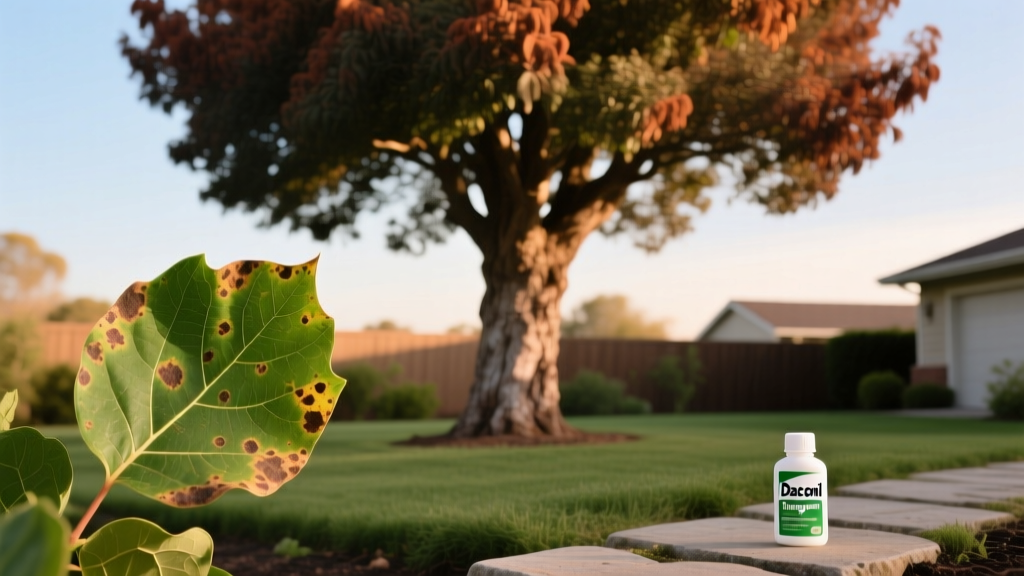
Daconil for Anthracnose: 2026 Fire-Resistant Tree Care
James MillerPublished
The Intersection of Tree Health and Fire-Resistant Landscaping
Fire-resistant landscaping is a critical defense mechanism for homeowners in wildfire-prone regions. In 2026, as climate patterns continue to extend fire seasons and increase drought stress, maintaining a "defensible space" is no longer just about clearing brush; it is about preserving the health, structure, and high moisture content of your existing shade trees. Broadleaf deciduous trees like oaks, maples, ash, and sycamores are naturally fire-resistant due to their high water content, thick bark, and lack of volatile resins. However, when these trees are struck by anthracnose—a destructive group of fungal diseases—their fire-resistant properties rapidly degrade.
Anthracnose causes premature defoliation, twig blight, and canopy dieback. A diseased tree loses its ability to retain moisture, transforming from a fire-resistant asset into a dry, brittle fuel source. To combat this, Penn State Extension and other leading arboricultural authorities recommend proactive fungicide treatments. Daconil, a widely trusted brand name for the active ingredient chlorothalonil, remains a cornerstone protectant fungicide in 2026. By stopping anthracnose in its tracks, you keep your tree's canopy full and hydrated, preventing the accumulation of dead, dry twigs and combustible leaf litter that can act as ignition points during a wildfire.
Identifying Anthracnose in Fire-Resistant Tree Species
Anthracnose is not a single disease but a group of fungal infections caused by various pathogens, including Apiognomonia, Discula, and Gnomonia species. These fungi thrive in cool, wet spring weather, which is increasingly common in many temperate zones before the intense summer heat dries out the landscape. If you are cultivating fire-resistant trees, you must be able to identify the early signs of this disease before it compromises your yard's defensible space.
Key Symptoms to Monitor
- Leaf Lesions: Irregular, tan to brown or black spots that often form along the leaf veins. In severe cases, these lesions coalesce, causing the entire leaf to wither and curl.
- Twig Blight and Cankers: The fungus can overwinter in small cankers on twigs. In spring, these twigs may girdle and die back, creating dry, dead wood in the lower canopy.
- Premature Defoliation: Heavily infected trees may drop their leaves entirely by early summer. While the tree may push out a second flush of leaves, this depletes vital energy reserves needed to maintain high cellular moisture levels during peak fire season.
Trees like the American Sycamore, White Oak, and Green Ash are staples in fire-safe landscaping due to their broad leaves and high moisture retention. Unfortunately, they are also highly susceptible to anthracnose. According to the University of Minnesota Extension, repeated years of severe defoliation can weaken these trees, making them vulnerable to secondary borers and increasing the volume of dead, combustible wood in the canopy.
Why Anthracnose Compromises Your Defensible Space
In wildfire mitigation, the area immediately surrounding your home is divided into zones. Zone 1 (0 to 30 feet from structures) and Zone 2 (30 to 100 feet) require careful management of "fuels." Anthracnose directly contributes to three types of hazardous fuels:
- Fine Fuels (Leaf Litter): Premature leaf drop creates a thick layer of dry, curled leaves on the ground. These leaves ignite easily from wind-blown embers.
- Ladder Fuels (Dead Twigs): Anthracnose-induced twig blight leaves dead, dry branches hanging in the lower canopy. These can act as a "ladder," carrying a ground fire up into the main canopy.
- Reduced Canopy Moisture: A healthy, photosynthesizing canopy acts as a living sprinkler system through evapotranspiration, creating a humid microclimate. Defoliated trees lose this cooling effect, making the immediate yard hotter and drier.
By treating anthracnose, you are actively practicing fuel reduction. Maintaining a healthy, green canopy ensures the tree remains a fire-break rather than a fire-hazard.
Daconil Fungicide: The 2026 Treatment Protocol
Daconil (chlorothalonil) is a broad-spectrum, multi-site contact fungicide. It works by creating a protective barrier on the leaf surface, preventing fungal spores from germinating and penetrating the plant tissue. Because it is a protectant and not a systemic curative, timing is absolutely critical. In 2026, integrated pest management (IPM) protocols emphasize applying Daconil before symptoms appear, typically starting at bud swell in early spring.
Step-by-Step Application Guide
Always read the specific 2026 product label on your Daconil concentrate, as formulations and local environmental regulations may dictate exact mixing ratios. However, the general protocol for shade trees is as follows:
- Step 1: Timing. Begin applications when tree buds begin to swell and break. This is usually a 2-to-3-week window in early spring, depending on your hardiness zone.
- Step 2: Mixing. For most liquid Daconil concentrates intended for ornamental trees, the standard mix rate is approximately 2.25 teaspoons (or 1/3 fluid ounce) per gallon of water. Use a pump sprayer for small trees or a hose-end sprayer for larger canopies.
- Step 3: Application. Spray the tree thoroughly until the foliage is wet but not dripping. Ensure you coat the undersides of the leaves and the smaller twigs where fungal spores overwinter.
- Step 4: Follow-up. Reapply every 7 to 14 days as long as cool, wet weather persists. Once the summer heat sets in and the canopy is fully expanded, anthracnose pressure usually drops, and treatments can cease.
Anthracnose Susceptibility and Fire-Safe Maintenance Table
| Tree Species | Fire-Resistance Rating | Anthracnose Susceptibility | Daconil Strategy & Fuel Management |
|---|---|---|---|
| American Sycamore | High | Very High | Apply Daconil at bud break. Aggressively rake fallen leaves to remove fine fuels. |
| White Oak | Very High | Moderate to High | Protective spring sprays. Prune dead lower branches to eliminate ladder fuels. |
| Green Ash | High | Moderate | Monitor for vein necrosis. Maintain drip irrigation to support canopy moisture. |
| Red Maple | High | Low to Moderate | Treat only if severe defoliation occurred the previous year. Clear leaf litter. |
Integrating Fungicide Treatment with Fire-Safe Yard Maintenance
Treating your trees with Daconil is only half the battle. To truly align your tree care routine with fire-resistant landscaping principles, you must pair chemical controls with physical fuel reduction. The Ready for Wildfire defensible space guidelines emphasize the removal of dead plant material, which perfectly overlaps with anthracnose sanitation protocols.
Sanitation and Leaf Litter Management
Anthracnose fungi overwinter in infected leaves and twigs left on the ground or hanging in the tree. From a disease perspective, raking and destroying these leaves breaks the disease cycle. From a fire-safe perspective, removing this leaf litter eliminates the highly combustible "fine fuels" that embers love to ignite. In 2026, best practices dictate that you should bag and remove infected leaves from the property rather than composting them, as home compost piles rarely reach the temperatures required to kill the fungal spores, and dry compost piles can pose their own spontaneous combustion risks in extreme heat.
Pruning for Airflow and Fire Breaks
Proper pruning serves both the tree's health and your home's safety. Prune out dead, cankered twigs caused by anthracnose to improve air circulation within the canopy. Better airflow dries the leaves faster after rain, reducing fungal infection rates. Simultaneously, pruning the lower 6 to 10 feet of the canopy (depending on tree height) removes "ladder fuels," ensuring that a low-intensity ground fire cannot climb into the tree's crown. Always sanitize your pruning shears with a 10% bleach solution or 70% alcohol between cuts to avoid spreading the fungus to healthy tissue.
Irrigation: Balancing Disease Prevention and Fire Hydration
Water management is a tricky balancing act when dealing with anthracnose and fire-resistant landscaping. Anthracnose thrives on moisture, specifically when water sits on the leaves. Overhead sprinklers that wet the canopy will dramatically accelerate fungal spread, potentially rendering your Daconil treatments ineffective. Conversely, a tree suffering from drought stress will drop its leaves and become highly flammable.
The 2026 standard for irrigating fire-resistant shade trees is the use of deep-root drip irrigation or soaker hoses placed at the tree's drip line. This method delivers vital water directly to the root zone, maintaining the tree's internal cellular turgor and high moisture content—its primary defense against radiant heat—while keeping the foliage completely dry to starve the anthracnose fungus. Mulching around the base of the tree with 2 to 3 inches of wood chips helps retain soil moisture, but ensure the mulch is kept at least 5 feet away from your home's foundation to comply with Zone 0 ember-resistant guidelines.
2026 Environmental and Safety Considerations
When using chlorothalonil-based products like Daconil, environmental stewardship is paramount. In 2026, regulatory bodies continue to monitor the runoff potential of broad-spectrum fungicides. Chlorothalonil is highly toxic to aquatic invertebrates and fish. Therefore, never apply Daconil near streams, ponds, or storm drains. Always check your local weather forecast and avoid spraying if rain is expected within 24 hours, which would wash the product off the leaves and into local waterways. Furthermore, wear appropriate Personal Protective Equipment (PPE), including chemical-resistant gloves, long sleeves, and protective eyewear, as chlorothalonil can be a skin and eye irritant. By following these precise application and sanitation steps, you can successfully protect your shade trees from anthracnose, ensuring they remain lush, hydrated, and resilient pillars of your fire-resistant landscape for years to come.