Tree Care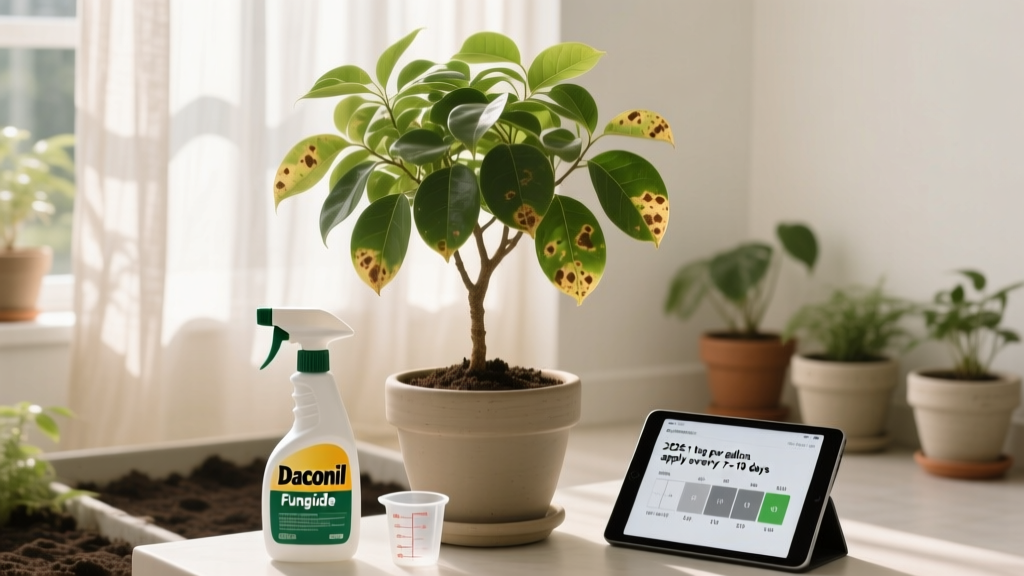
Anthracnose in Potted Trees: Daconil Treatment Guide 2026
Robert HayesPublished
The Rise of Potted Trees and the Anthracnose Threat in 2026
Container gardening has evolved dramatically over the last few years. As of 2026, urban homeowners and patio enthusiasts are increasingly growing dwarf fruit trees, Japanese maples, patio dogwoods, and potted citrus to create lush, private outdoor sanctuaries. However, growing trees in containers introduces unique microclimates that can inadvertently foster fungal diseases. Among the most destructive of these is anthracnose, a group of fungal diseases that can rapidly defoliate and weaken your prized potted specimens.
Unlike trees planted in the ground, potted trees have restricted root systems and are entirely dependent on their immediate container environment. When anthracnose strikes a containerized tree, the confined space, potential for poor air circulation on balconies, and the common practice of overhead watering can turn a minor fungal issue into a severe infestation within weeks. Fortunately, with early identification and the strategic use of Daconil fungicide, you can protect your potted trees and maintain a thriving container garden.
Identifying Anthracnose in Containerized Trees
Anthracnose is not a single disease but rather a complex of fungal pathogens (primarily from the Colletotrichum, Gloeosporium, and Apiognomonia genera) that thrive in cool, wet spring weather. According to the Clemson University Home & Garden Information Center, these fungi overwinter in infected twigs and dead leaves, releasing spores when spring rains begin.
In potted trees, the symptoms often appear more aggressively due to the stress of container life. Look for the following indicators:
- Leaf Spotting: Small, irregularly shaped tan, brown, or black spots that often form along the leaf veins. On Japanese maples, these spots may appear as scorched, purplish-brown margins.
- Vein Necrosis: The fungus frequently travels down the leaf veins, causing the tissue between the veins to die while the rest of the leaf temporarily remains green.
- Premature Defoliation: Severely infected potted trees may drop their leaves entirely by early summer, severely stunting their seasonal growth.
- Twig Dieback: In advanced stages, the fungus girdles small twigs, causing the tips of the branches to wither and die, which is particularly devastating for carefully pruned patio bonsai or topiary trees.
Why Container Environments Accelerate Fungal Spread
Trees in pots face distinct vulnerabilities compared to their in-ground counterparts. First, container soil dries out and re-wets rapidly, creating fluctuating moisture levels that stress the tree, lowering its natural immune response. Second, potted trees placed on balconies, against privacy fences, or in dense patio groupings often suffer from reduced airflow. This trapped humidity creates an ideal incubator for anthracnose spores.
Furthermore, the physical act of watering potted trees often involves splashing water from the soil surface onto the lower canopy. If anthracnose spores are overwintering in the mulch or debris on top of the potting soil, this splash-back acts as a direct delivery system, inoculating the lower leaves and accelerating the infection cycle.
Daconil Fungicide: The 2026 Standard for Container Treatment
When cultural controls are insufficient, chemical intervention becomes necessary. Daconil, whose active ingredient is chlorothalonil, remains one of the most effective and widely used broad-spectrum protectant fungicides on the market in 2026. The United States Environmental Protection Agency (EPA) notes that chlorothalonil works by inhibiting spore germination and fungal growth, effectively creating a protective barrier on the leaf surface.
It is crucial to understand that Daconil is a protectant, not a systemic cure. It will not heal leaves that are already infected and necrotic. Instead, it coats the healthy foliage and new growth, preventing anthracnose spores from penetrating the plant tissue. For potted trees, this means timing and thorough coverage are the keys to success.
Step-by-Step Daconil Application Guide for Potted Trees
Treating a potted tree requires a different approach than spraying a large shade tree in a yard. You are working in a confined space, likely near hardscaping, outdoor furniture, or balcony railings. Below is the recommended protocol for mixing and applying Daconil concentrate to containerized trees.
Mixing and Dosage Chart
Always read the 2026 product label on your specific Daconil concentrate bottle, as formulations can vary slightly. However, the standard mixing ratio for ornamental trees is generally 1 tablespoon (0.5 fl oz) of concentrate per gallon of water. The table below outlines the estimated spray volumes required based on pot and canopy size.
| Pot Size (Diameter) | Tree Canopy Height | Water Volume Needed | Daconil Concentrate Amount |
|---|---|---|---|
| 12 - 15 inches | 3 - 4 feet | 1 Gallon | 1 Tablespoon (0.5 fl oz) |
| 16 - 20 inches | 4 - 6 feet | 2 Gallons | 2 Tablespoons (1.0 fl oz) |
| 21 - 24 inches | 6 - 8 feet | 3 - 4 Gallons | 3 - 4 Tablespoons (1.5 - 2.0 fl oz) |
| 25+ inches (Half-barrel) | 8+ feet | 5+ Gallons | 2.5+ fl oz (Follow label max) |
Application Timing and Technique
- Sanitize First: Before spraying, carefully remove all fallen leaves, twigs, and debris from the surface of the potting soil. This removes the primary source of overwintering spores.
- Initial Spring Spray: Apply Daconil at bud break in early spring, just as the new leaves are beginning to unfurl. This is the most critical application of the year.
- Follow-up Sprays: Reapply every 7 to 14 days during periods of cool, wet spring weather. If the weather turns hot and dry, you can extend the interval to 21 days.
- Spray to Runoff: Use a pump sprayer to apply the mixture evenly to all leaf surfaces, including the undersides of the leaves and the young twigs. Spray until the liquid just begins to drip off the foliage.
Managing Runoff and Patio Safety
One of the most significant challenges of treating potted trees with Daconil is managing the chemical runoff. Chlorothalonil can stain porous concrete, natural stone pavers, and wooden deck boards. Furthermore, it is highly toxic to aquatic life and fish.
If your potted trees are situated on a balcony or near a water feature, you must take precautions. Place large plastic saucers or drip trays beneath your pots before spraying to catch the excess fungicide. Allow the foliage to dry completely before removing the trays, and dispose of the captured runoff in a soil bed away from storm drains, koi ponds, or natural waterways. Always spray on a calm day with zero wind to prevent drift onto nearby patio furniture, neighboring plants, or outdoor dining areas.
Complementary Container Care Practices
Fungicides are only one piece of the puzzle. To ensure your potted trees remain resilient against anthracnose throughout the 2026 growing season, integrate these cultural controls:
- Base Watering: Abandon overhead watering. Use a watering wand or drip irrigation system to deliver water directly to the soil surface, keeping the foliage completely dry.
- Strategic Pruning: Thin the inner canopy of your potted trees in late winter to improve air circulation. A breezy canopy dries faster after rain, depriving fungal spores of the moisture they need to germinate.
- Fresh Mulch Layer: After cleaning the pot surface in early spring, apply a fresh 1-inch layer of sterile, bagged mulch (like pine bark mini-nuggets). This creates a physical barrier that prevents soil-borne spores from splashing onto the lower leaves.
- Adequate Nutrition: Potted trees exhaust their soil nutrients quickly. Use a slow-release, balanced fertilizer formulated for container trees to ensure the tree has the vigor to push out new, healthy growth if it suffers partial defoliation.
Conclusion
Anthracnose can be a devastating disease for container-grown trees, turning a beautiful patio oasis into a display of scorched, leafless branches. However, by understanding the unique microclimates of container gardening and utilizing Daconil fungicide as a protective shield, you can effectively halt the disease in its tracks. Remember that success in 2026 relies on early identification, meticulous sanitation of the potting surface, and precise, safe application techniques that protect both your trees and your outdoor living spaces.
