Tree Care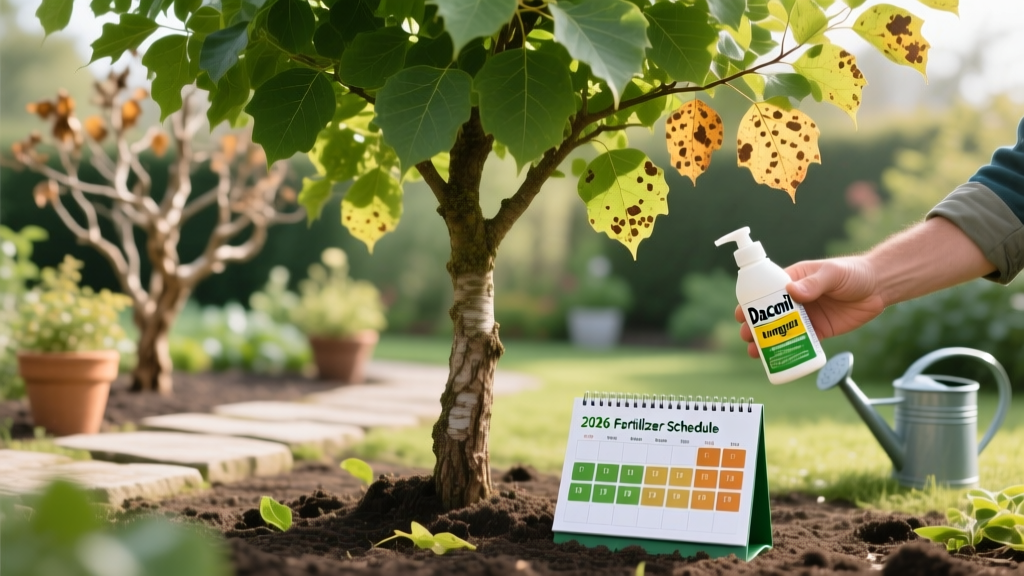
Anthracnose Treatment: Daconil & 2026 Fertilizer Schedules
Anna KowalskiPublished
Identifying Anthracnose in the 2026 Climate Landscape
As we navigate the shifting weather patterns of 2026, arborists and homeowners alike are seeing a dramatic increase in foliar diseases, particularly anthracnose. This fungal disease thrives in cool, wet spring conditions, which have become increasingly unpredictable and prolonged in many regions this year. Anthracnose is not a single disease but rather a group of closely related fungal pathogens that attack a wide variety of deciduous trees, including sycamore, oak, maple, ash, and dogwood.
According to Penn State Extension, the pathogens overwinter in infected twigs, cankers, and fallen leaves. When spring rains arrive, spores are splashed onto emerging buds and young leaves. Identifying anthracnose early is critical. Look for irregular brown, black, or tan lesions along the leaf margins or between the veins. In severe cases, you may notice shoot blight, where entire twigs die back, or premature leaf drop in late spring. Sycamore trees are particularly prone to severe canopy defoliation, while oaks tend to show distortion and cupping of the new foliage.
The Role of Daconil Fungicide in Anthracnose Control
Daconil, which utilizes the active ingredient chlorothalonil, remains a cornerstone protectant fungicide for managing anthracnose in residential and commercial landscapes. Unlike systemic fungicides that are absorbed into the plant tissue, Daconil forms a protective barrier on the surface of the leaves and twigs, preventing fungal spores from germinating and penetrating the plant cells.
Because it is a protectant, timing is absolutely everything. Applying Daconil after the leaves are already heavily infected will not cure the necrotic tissue. The 2026 application protocol requires the first spray to occur right at bud swell, just before the leaves begin to unfurl. Subsequent applications should be spaced 7 to 14 days apart, depending on rainfall and the severity of the local outbreak. For most concentrate formulations of Daconil, the standard mix rate is 2.25 to 3.0 teaspoons per gallon of water, applied using a pump sprayer to ensure thorough coverage of the upper and lower leaf surfaces, as well as the twigs.
The Fertilizer-Fungus Connection: Why Your Schedule Matters
Many homeowners make a critical error when treating anthracnose: they focus entirely on the fungicide while ignoring their fertilizer schedule. The nutritional status of your tree directly dictates its susceptibility to fungal pathogens. Applying high-nitrogen, fast-release fertilizers in early spring forces the tree to push rapid, succulent new growth. This new tissue has thin cell walls and high water content, making it an incredibly easy target for anthracnose spores. Even if you are spraying Daconil, a poorly timed nitrogen spike can cause the tree to outgrow the fungicide barrier, leaving the newest leaves unprotected and highly vulnerable.
Conversely, a strategic fertilizer schedule that emphasizes potassium and slow-release nutrients helps the tree build thicker cell walls, produce natural defense compounds, and recover from the stress of defoliation. In 2026, integrated pest management (IPM) dictates that your fungicide and fertilizer schedules must work in tandem, not against one another.
2026 Integrated Daconil and Fertilizer Schedule
The following table outlines a synchronized schedule for treating anthracnose-prone trees while maintaining optimal soil nutrition without exacerbating fungal growth.
| Timing (2026) | Tree Stage | Daconil Action | Fertilizer Action |
|---|---|---|---|
| Early Spring (Bud Swell) | Dormant to Bud Break | Apply Spray 1 (Protectant Barrier) | Apply Sulfate of Potash (0-0-50) to strengthen cell walls. |
| Mid-Spring (Leaf Expansion) | Leaves Unfurling | Apply Spray 2 (7-14 days after Spray 1) | NO Nitrogen. Apply liquid kelp bio-stimulant for stress relief. |
| Late Spring (Full Canopy) | Leaves Hardening Off | Apply Spray 3 (If wet weather persists) | Apply slow-release, low-N organic blend (e.g., 4-3-4) if soil test indicates deficiency. |
| Early Fall | Preparing for Dormancy | No Fungicide Required | Apply Phosphorus and Potassium root-builder to store energy for next spring. |
Best Fertilizer Types for Anthracnose-Stressed Trees
1. Sulfate of Potash (0-0-50)
Potassium is the ultimate 'health and immunity' nutrient for trees. It regulates stomatal opening, improves drought tolerance, and is vital for the synthesis of lignin, which thickens cell walls against fungal penetration. Applying a granular sulfate of potash in early spring provides the tree with the raw materials it needs to fight off anthracnose without triggering the vulnerable flush of growth associated with nitrogen.
2. Slow-Release Mycorrhizal Blends
Trees stressed by repeated defoliation from anthracnose often suffer from weakened root systems. Fertilizers that include endo- and ecto-mycorrhizal fungi help expand the root network's absorption capacity. Look for organic, low-nitrogen formulations (like a 4-3-4 NPK ratio) that release nutrients slowly over 60 to 90 days, ensuring the tree receives a steady diet without the dangerous spikes.
3. Bio-Stimulants and Kelp Extracts
During the active infection window in mid-spring, avoid granular fertilizers altogether. Instead, use a liquid seaweed or kelp extract applied as a soil drench. These bio-stimulants contain trace minerals, cytokinins, and auxins that help the tree manage cellular stress and recover from the loss of photosynthetic leaf area without forcing new, susceptible foliage.
Cultural Practices to Support Your Chemical Schedule
Even the best Daconil and fertilizer schedule will fail if the tree's environment promotes fungal proliferation. The Morton Arboretum heavily emphasizes the importance of sanitation and moisture management in controlling anthracnose. Raking and destroying fallen leaves in the autumn and early spring removes the primary overwintering sites for the fungal spores. Do not compost these leaves, as home compost piles rarely reach the temperatures required to kill the pathogens.
Furthermore, adjust your irrigation practices. Overhead watering splashes soil-borne spores onto the lower canopy and keeps the foliage wet for extended periods, creating a perfect incubator for anthracnose. Switch to drip irrigation or soaker hoses placed at the tree's drip line. Finally, maintain a 2-to-4-inch layer of organic mulch around the base of the tree to retain soil moisture and prevent soil from splashing onto the lower trunk and leaves during heavy spring rains. Ensure the mulch is kept a few inches away from the trunk itself to prevent bark rot.
Soil Testing: The Foundation of 2026 Tree Care
Before purchasing any fertilizer this year, conduct a comprehensive soil test. Soil pH directly impacts nutrient availability. If your soil is too acidic or too alkaline, the tree may be unable to absorb the potassium and phosphorus it needs to fight off disease, regardless of how much fertilizer you apply. Most deciduous trees prefer a slightly acidic to neutral pH (6.0 to 7.0). Adjusting the pH with lime or sulfur based on lab recommendations is a crucial first step in your 2026 tree health protocol.
Application Safety and Environmental Stewardship
When handling Daconil and concentrated fertilizers, always wear appropriate personal protective equipment (PPE), including chemical-resistant gloves, long sleeves, and protective eyewear. Apply fungicides on calm, dry mornings when the temperature is between 60°F and 80°F, and no rain is forecasted for at least 24 hours to allow the product to dry and adhere to the foliage. For more regional data on specific anthracnose strains affecting your local tree species, consult the University of Minnesota Extension or your local county extension office. By combining precise Daconil applications with a scientifically backed, low-nitrogen fertilizer schedule, you can successfully protect your landscape trees and ensure a vibrant, healthy canopy throughout 2026 and beyond.
