Tree Care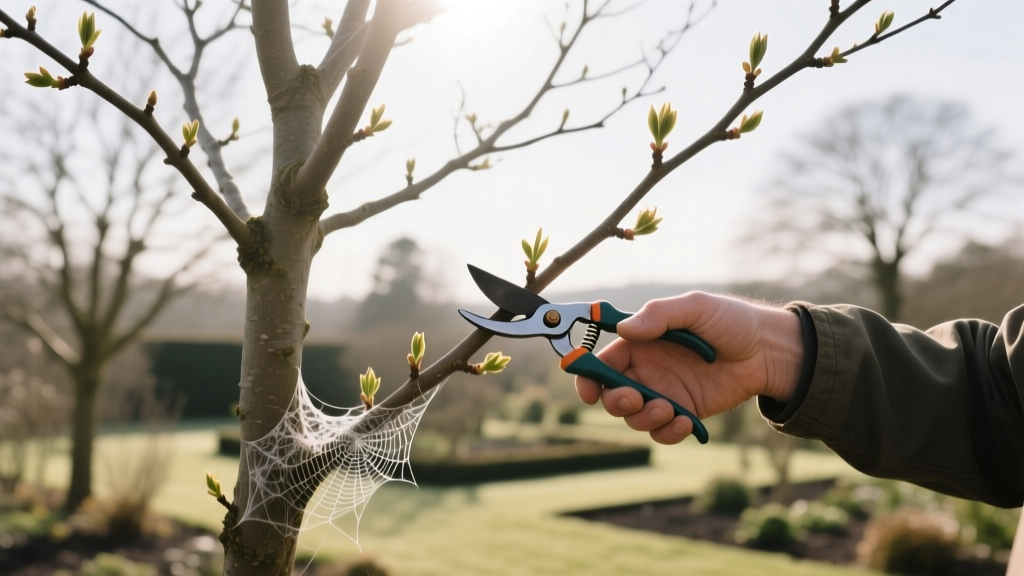
Winter vs Summer Pruning 2026: Deciduous Web Worm Control
James MillerPublished
Introduction to Deciduous Tree Pruning and Web Worm Management
Deciduous trees provide stunning seasonal color, vital shade, and immense ecological value to our landscapes. However, they are also the primary hosts for some of the most unsightly and destructive defoliators in North America: tree web worms. As we navigate the 2026 growing season, arborists and home gardeners alike are noticing longer, more intense web worm infestations. Shifting microclimates and extended warm spells have allowed pests to complete multiple life cycles in a single year. While chemical and biological treatments have their place, mechanical control through strategic pruning remains the most environmentally sound and immediately effective method for managing these pests.
However, pruning deciduous trees requires strict adherence to seasonal timing. Pruning at the wrong time of year can severely stress the tree, invite secondary diseases, or inadvertently spread the very pests you are trying to eliminate. This comprehensive guide breaks down the critical differences between winter and summer pruning schedules, specifically tailored for eradicating web worms and preserving the structural integrity of your deciduous canopy in 2026.
Understanding the Enemy: Web Worm Biology
Before picking up your pruning shears, it is crucial to understand the life cycles of the two most common web-building caterpillars that target deciduous trees: the Fall Webworm (Hyphantria cunea) and the Eastern Tent Caterpillar (Malacosoma americanum). According to entomologists at the University of Minnesota Extension, these pests have distinctly different habits that dictate when and how you should prune.
- Eastern Tent Caterpillars: These emerge in early spring and build dense, silken nests in the crotches and forks of branches, primarily on cherry, apple, and crabapple trees. They overwinter as egg masses (bands) encircling small twigs.
- Fall Webworms: Appearing in mid-to-late summer, these caterpillars construct large, messy webs at the very tips of the branches. They feed on over 100 species of deciduous trees, including pecan, hickory, persimmon, and sweetgum. They overwinter as pupae in leaf litter and bark crevices.
Because their nesting habits and life cycles differ, your pruning schedule must adapt to target their specific vulnerabilities without harming the host tree.
Winter Pruning: The Dormant Season Advantage
Winter is the optimal time for structural pruning of deciduous trees. When the leaves have dropped, the tree's architecture is fully visible, making it easier to identify weak branch unions, crossing limbs, and deadwood. From a pest control perspective, late winter (just before spring bud break) is the absolute best time to target overwintering pest stages.
Targeting Egg Masses and Pupae
Eastern tent caterpillars overwinter as distinct, dark, varnished egg bands wrapped around twigs that are roughly the diameter of a pencil. During your late winter pruning session, carefully inspect the terminal ends of branches for these bands. By pruning out these specific twigs and destroying them, you eliminate the next generation of caterpillars before they even hatch.
While fall webworms primarily pupate in the soil or leaf litter, they can also utilize deep bark crevices and old, abandoned webbing left in the canopy. Winter pruning allows you to thoroughly clean the canopy, removing mummified leaves, old webbing, and deadwood where pests and fungal spores might hide. As recommended by The Morton Arboretum, dormant pruning ensures that the tree is not actively growing, meaning it will not suffer from sap loss or shock, and the pruning wounds will rapidly compartmentalize once the spring growth flush begins.
Canopy Thinning for Airflow
Web worms thrive in stagnant, humid environments. Winter is the time to perform canopy thinning—removing select interior branches to improve light penetration and airflow. A well-ventilated canopy dries faster after rain and morning dew, creating a less hospitable environment for both insect pests and secondary fungal pathogens that often attack web-damaged foliage.
Summer Pruning: Active Nest Excision and Damage Control
Conventional arboriculture generally advises against heavy summer pruning of deciduous trees, as removing leaves reduces the tree's photosynthetic capacity and can expose interior bark to sun-scald. However, when dealing with an active web worm infestation, targeted summer pruning (excision) is a necessary evil and a highly effective mechanical control.
The Art of Web Excision
When fall webworms or tent caterpillars are actively feeding, their webs protect them from predators, weather, and contact insecticides. The most immediate way to stop the damage is to physically remove the nest. This must be done with precision. Using a sharp bypass pruner or a pole saw, cut the branch approximately 6 to 12 inches below the webbing.
Critical Warning: Never attempt to burn the webs out of the tree using a torch. This is an outdated, dangerous practice that frequently results in severe tree damage, structural weakening, and uncontrolled fires. Furthermore, avoid simply tearing the webs out with a stick, as this strips the bark and damages the branch collar, leaving the tree vulnerable to wood-boring insects and decay fungi.
Managing the 2026 Extended Season
Due to the unusually warm autumn forecasts for 2026, fall webworms are expected to remain active well into October in many hardiness zones. Summer and early autumn pruning must be followed by immediate disposal of the infested branches. Do not compost these branches; the heat of a standard compost pile may not be sufficient to kill the pupae. Bag the infested limbs and send them to municipal green waste facilities that utilize high-heat industrial composting, or burn them where local ordinances permit.
Winter vs. Summer Pruning: A Comparison Chart
To help you plan your 2026 tree care calendar, refer to this comparison chart detailing the specific applications of winter versus summer pruning for web worm management.
| Aspect | Winter (Dormant) Pruning | Summer (Active) Pruning |
|---|---|---|
| Primary Goal | Canopy structure, egg mass removal, sanitation | Active nest excision, damage containment |
| Target Pest Stage | Overwintering eggs (Tent Caterpillars) | Active larvae and webs (Both species) |
| Tree Stress Level | Low (Tree is dormant) | Moderate (Loss of photosynthetic tissue) |
| Wound Healing | Slow initial closure, rapid spring compartmentalization | Immediate callus formation, risk of sun-scald |
| Tool Sanitation | Standard sterilization between trees | Strict sterilization between every single cut |
The 2026 Month-by-Month Pruning Schedule
To keep your deciduous trees healthy and web-worm-free, follow this targeted monthly schedule:
- January - February: Perform major structural pruning. Thin the canopy to improve airflow. Inspect twigs for tent caterpillar egg bands and prune them out.
- March: Finalize dormant pruning before bud break. Rake and destroy all leaf litter around the base of the tree to eliminate fall webworm pupae hiding in the soil.
- April - May: Monitor for early tent caterpillar webbing in branch crotches. If webs are small, prune out the affected branch tips immediately.
- June - July: Focus on tree health and watering. Avoid pruning unless storm damage occurs. Allow the tree to maximize photosynthesis.
- August - September: Peak fall webworm season. Conduct weekly canopy inspections. Excise active webs at the branch tips using pole saws or loppers. Dispose of debris off-site.
- October - November: Continue excising late-season webs. Once leaves drop, begin the sanitation process, removing any remaining mummified leaves or debris stuck in the bark.
- December: Rest period. Assess the tree's overall structure and plan your winter pruning strategy for the new year.
Tool Selection and Sanitation Protocols
In 2026, the market offers exceptional battery-powered tools that make web worm excision safer and more efficient. For high canopy nests, gas-powered pole saws are being rapidly replaced by high-torque lithium-ion models, such as the EGO Power+ 10-inch pole saw, which provides ample reach and cutting power without the noise, fumes, and maintenance of gas engines. For lower branches, a high-quality bypass pruner like the Felco 2 ensures clean cuts that do not crush the branch collar.
Perhaps the most critical aspect of summer pruning for pest control is tool sanitation. When you cut through an active web worm nest, your blades become coated in caterpillar frass (excrement), silk, and potentially secondary fungal spores. If you move to the next branch or tree without cleaning your tools, you risk inoculating fresh pruning wounds with disease. Keep a spray bottle of 70% isopropyl alcohol or a 10% bleach solution in your tool belt. Wipe and spray the blades of your pruners and saws after every single cut during an active infestation.
Conclusion
Managing tree web worms on deciduous species requires a shift in perspective: pruning is not just an aesthetic practice, but a vital, proactive pest control strategy. By leveraging the dormant winter months to remove egg masses and improve canopy airflow, and utilizing precise, sanitized excision techniques during the active summer months, you can break the life cycle of these defoliators. Stick to this 2026 pruning schedule, and your deciduous trees will remain structurally sound, visually appealing, and resilient against web worm invasions for decades to come.