Tree Care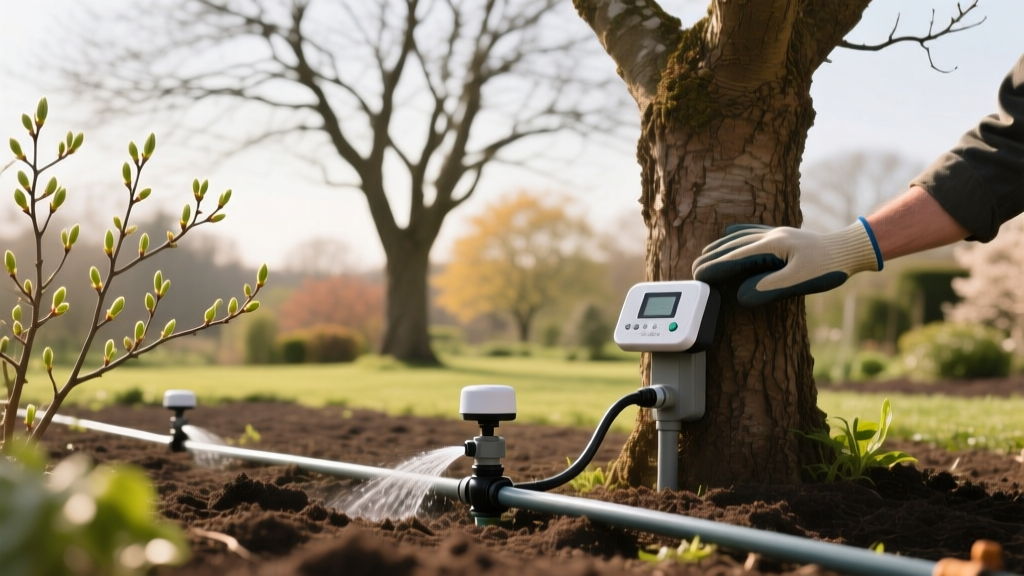
Deciduous Tree Pruning 2026: Winter Vs Summer Irrigation
Lisa ThompsonPublished
Integrating Arboriculture and Irrigation in 2026
As we navigate the 2026 growing season, the intersection of arboriculture and landscape irrigation has never been more critical. Homeowners and landscape professionals often treat tree pruning and sprinkler management as entirely separate disciplines. However, the timing of your deciduous tree pruning—specifically whether you execute structural cuts in the winter or growth-control cuts in the summer—dictates exactly how your irrigation system should be programmed, adjusted, and maintained. Deciduous trees, which shed their leaves annually, undergo dramatic physiological shifts that directly impact their water uptake, transpiration rates, and vulnerability to fungal pathogens introduced by overhead sprinkler spray.
In this comprehensive guide, we will explore the science behind winter versus summer pruning schedules for deciduous trees and provide actionable, zone-by-zone instructions on how to adapt your smart sprinkler system and irrigation hardware to support optimal tree health, wound compartmentalization, and water conservation.
The Science of Deciduous Pruning Timing
Deciduous trees, such as oaks, maples, elms, and ash, respond differently to pruning depending on the season. According to the University of Minnesota Extension, the timing of your cuts influences how quickly the tree can seal its wounds through the process of Compartmentalization of Decay in Trees (CODIT). When you remove a branch, you are not just altering the tree's structure; you are altering its hydraulic demand. Fewer leaves mean reduced transpiration, which means the root system requires a precise recalibration of soil moisture levels. If your sprinkler system continues to deliver summer-level water volumes to a freshly pruned tree, you risk root asphyxiation, phytophthora root rot, and severe canopy stress.
Winter Pruning: Dormancy, Structural Cuts, and Irrigation Winterization
Late winter (typically February to early March, before bud break) is the gold standard for major structural pruning of deciduous trees. Because the tree is fully dormant and the branch architecture is visible without foliage, arborists can make precise thinning and reduction cuts. Furthermore, wounds made in late winter heal rapidly once the spring growth flush begins.
Irrigation Challenges During Winter Pruning
From an irrigation perspective, winter presents a unique paradox. While the tree is dormant and not actively transpiring, it still requires baseline soil moisture to prevent root desiccation, especially in regions experiencing dry winter winds. However, your primary sprinkler system must be winterized to prevent freeze damage to PVC pipes, valves, and sprinkler heads.
- Deep Watering Before Ground Freeze: Before you shut down your irrigation system for the winter, execute a deep watering cycle. According to the UMN Watering Guide, trees need moisture down to 12 inches. Use a soaker hose or a specialized root feeder attached to a hose bib to deliver water slowly to the dripline, bypassing the winterized main sprinkler zones.
- Smart Controller Winter Settings: If you are using a 2026 smart controller like the Rachio 3e or Hunter Pro-C equipped with Hydrawise, do not simply turn the controller off. Enable the 'Freeze Skip' and 'Seasonal Shift' features. If a warm spell in late February prompts you to prune, and the ground is thawed, the controller can automatically trigger a brief, targeted drip zone cycle to help the tree manage the shock of structural cuts without wetting the canopy.
- Protecting Fresh Cuts from Ice Damage: Overhead spray heads that are leaking or poorly winterized can coat fresh pruning wounds in water, which then freezes into ice. This ice expansion can tear the bark and cambium layer, causing catastrophic damage that invites wood-boring insects in the spring.
Summer Pruning: Growth Control, Disease Management, and Moisture Stress
Summer pruning (June through August) is utilized primarily to restrict growth, remove water sprouts, and manage disease. For example, pruning oak trees in the summer avoids the peak activity window of the nitidulid beetles that transmit Oak Wilt. However, cutting a deciduous tree in the middle of the growing season removes its solar panels (leaves), instantly reducing its ability to draw water and cool itself.
The Danger of Overhead Sprinklers on Summer Cuts
The most critical irrigation rule for summer pruning is absolute canopy dryness. Fresh summer pruning cuts are highly susceptible to fungal spores and bacterial cankers. If your traditional pop-up spray heads or rotary sprinklers are hitting the trunk or the fresh wounds, you are essentially inoculating the tree with water-borne pathogens.
- Nozzle Conversion: Immediately following summer pruning, audit your sprinkler zones. Replace any standard spray nozzles hitting the tree canopy with Hunter MP Rotator nozzles or Toro Precision nozzles. These deliver water at a lower precipitation rate directly to the soil surface, minimizing wind drift and canopy splash.
- Subsurface Drip Irrigation (SDI): For high-value deciduous specimens, 2026 best practices dictate the use of subsurface drip lines buried 4 to 6 inches deep around the dripline. This delivers water directly to the root zone while keeping the surface and the trunk completely dry, eliminating fungal risks to summer pruning wounds.
- Compensating for Transpiration Shock: Because summer pruning reduces the tree's vascular capacity temporarily, the remaining leaves must work harder. Increase the run time on your drip or low-volume rotary zones by 15% to 20% for the two weeks following a major summer cut to ensure the tree does not suffer from drought-induced dieback.
2026 Smart Irrigation Tech for Pruned Trees
Modern irrigation relies heavily on Evapotranspiration (ET) data and soil moisture feedback loops. The EPA WaterSense program strongly advocates for smart controllers that adjust watering based on local weather conditions. In 2026, integrating wireless soil moisture sensors (such as the Meter TDR or Rain Bird SMRT-Y) into your tree's specific irrigation zone is highly recommended. When a deciduous tree is pruned in the summer, its water demand drops momentarily before the remaining foliage compensates. A soil moisture sensor will prevent the smart controller from overwatering the root zone during this vulnerable transition period, effectively preventing root rot while the tree compartmentalizes its wounds.
Comparison Chart: Winter vs. Summer Pruning & Irrigation Protocols
| Feature | Winter Pruning Schedule | Summer Pruning Schedule |
|---|---|---|
| Primary Goal | Structural shaping, dormant disease prevention | Growth restriction, water sprout removal, summer disease avoidance |
| Tree Water Demand | Minimal (Dormant baseline only) | High (Active transpiration, stress recovery) |
| Sprinkler Hardware | System winterized; use manual deep-root waterers | Subsurface drip or low-drift rotary nozzles (MP Rotator) |
| Canopy Wetness | N/A (Leaves absent, but bark freeze risk exists) | Strictly prohibited (High fungal/bacterial infection risk) |
| Smart Controller Setting | Freeze Skip enabled; Seasonal Shift at 10% | Soil Moisture Sensor override; Cycle & Soak enabled |
Step-by-Step Sprinkler Adjustment Protocol Post-Pruning
To ensure your deciduous trees thrive after a pruning event, follow this actionable protocol tailored for the 2026 landscape:
- Zone Isolation: Ensure your mature deciduous trees are on their own dedicated irrigation valve. Trees require deep, infrequent watering (once every 10-14 days), whereas turfgrass requires shallow, frequent watering. If your tree and lawn share a zone, the tree will suffer from root asphyxiation or drought stress post-pruning.
- Audit Spray Patterns: Walk the property with your irrigation system running. Physically adjust the arc and radius of any rotor or spray head that is hitting the trunk or lower scaffold branches. Trunk-wetting is a leading cause of basal rot and collar rot, exacerbated by the stress of pruning.
- Implement Cycle and Soak: Post-pruning, the tree needs water to reach deep into the soil profile to encourage deep root anchoring. Program your smart controller to run the tree zone in three 10-minute cycles, spaced an hour apart. This allows heavy clay soils to absorb the moisture without runoff, ensuring the water reaches the 12-to-18-inch root zone where the tree stores its energy reserves.
- Apply Mulch (The Irrigation Multiplier): After pruning and adjusting your sprinklers, apply a 2-to-3-inch layer of organic wood chip mulch out to the dripline. Keep the mulch 3 inches away from the trunk (no 'volcano mulching'). Mulch reduces soil surface evaporation by up to 35%, allowing you to reduce your sprinkler run times and maintain consistent soil moisture levels, which is vital for wound healing.
Conclusion
Mastering the deciduous tree pruning schedule in 2026 requires looking beyond the saw and understanding the hydraulic needs of the tree. Whether you are making dormant structural cuts in the dead of winter or managing summer growth to prevent disease, your sprinkler and irrigation systems must adapt in real-time. By leveraging smart controllers, transitioning to low-drift rotary nozzles or subsurface drip, and respecting the physiological shock that pruning induces, you can cultivate a landscape of robust, deeply rooted, and beautifully structured deciduous trees that thrive for decades to come.