Gardening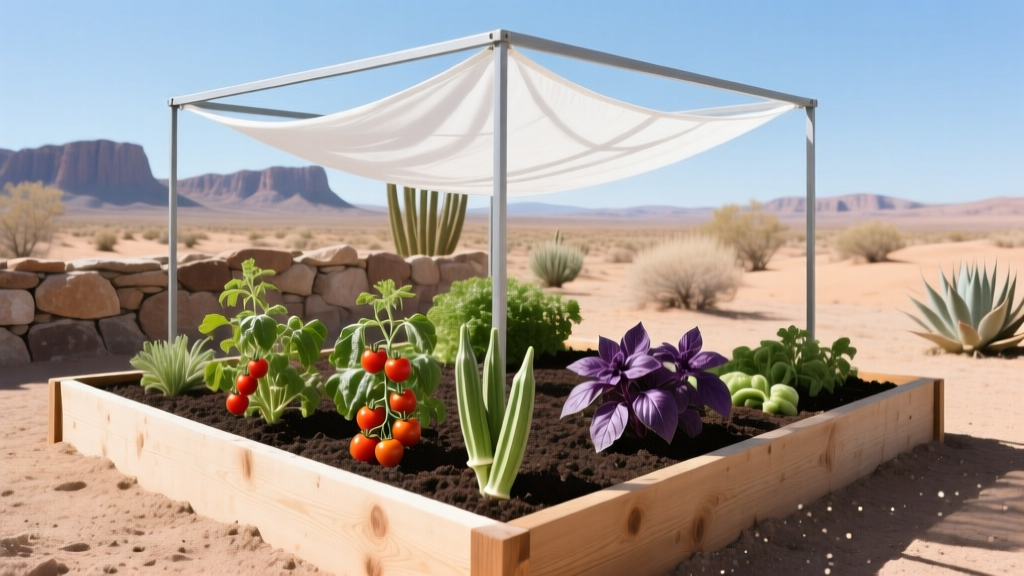
Desert Raised Bed Gardening: Growing Vegetables in Arid Climates
Anna KowalskiPublished
Gardening in arid regions—such as the Southwest United States, parts of Southern California, and Nevada—presents a unique set of challenges. With summer temperatures frequently exceeding 105°F (40°C), low humidity, and alkaline, compacted native soils, traditional in-ground row gardening is often a recipe for failure. However, by utilizing raised beds and adapting to the microclimates of zones 9 and 10, you can cultivate a thriving, year-round vegetable garden.
Designing Raised Beds for Extreme Heat
When constructing raised beds in a desert environment, material selection and dimensions are critical. Unlike cooler climates where dark metal troughs or black plastic beds help warm the soil in spring, these materials will literally cook your plant roots in an arid summer.Material Selection
Opt for untreated cedar, redwood, or masonry (like cinder blocks or natural stone). These materials provide excellent insulation and do not retain heat the way corrugated galvanized steel does. If you must use metal, line the interior walls with rigid foam insulation board (costing roughly $1.50 per square foot) to protect the root zone from radiant heat.Optimal Dimensions
Keep beds narrow—no wider than 3 to 4 feet. This allows you to reach the center from either side without stepping on the soil, which preserves soil structure and prevents compaction. Depth is equally important; a minimum depth of 18 inches is recommended for arid regions. Deeper soil volumes retain moisture significantly longer than shallow 6-inch beds, giving deep-rooting crops like tomatoes and peppers a buffer against rapid surface evaporation.Soil Preparation for Arid Regions
Native desert soil is typically heavy in clay, highly alkaline (pH 7.5 to 8.5), and severely lacking in organic matter. Rather than amending native dirt directly, filling your raised beds with a custom, moisture-retentive blend is far more effective.The Desert Raised Bed Soil Recipe
To maximize water retention while ensuring adequate drainage, use the following ratio:- 40% High-Quality Compost: Provides nutrients and builds soil structure.
- 30% Coconut Coir: Unlike peat moss, which can become hydrophobic when dry, coir re-wets easily and holds up to 10 times its weight in water.
- 20% Coarse Vermiculite or Perlite: Ensures aeration and prevents the soil from compacting under heavy watering.
- 10% Native Soil or Topsoil: Introduces local beneficial microbes.
According to desert agriculture specialists, the single biggest mistake new arid gardeners make is treating a Phoenix or Las Vegas summer like a Midwest spring. Shade and moisture retention are not optional; they are vital pieces of garden infrastructure.
Water Management & Irrigation Strategies
Water is the most precious resource in a desert garden. Hand-watering is inefficient and promotes shallow root growth. Instead, invest in a subsurface or drip irrigation system.Drip Irrigation Setup
Install a grid of 1/4-inch drip tubing with inline emitters spaced every 6 inches. Run the system early in the morning (between 4:00 AM and 6:00 AM) to minimize evaporative loss. A basic drip kit for a 4x8 foot bed costs between $40 and $60. Connect the system to a digital timer and a soil moisture sensor to prevent overwatering, which can lead to root rot even in arid climates.The Olla Method
For an ancient, highly effective irrigation technique, bury unglazed terracotta pots (ollas) in the center of your raised beds. Fill the pots with water, and let it seep through the porous clay directly into the surrounding root zone. This method uses up to 70% less water than surface watering and is highly recommended by experts at Texas A&M AgriLife Extension for hot, dry climates.Shade Strategies: Beating the Summer Sun
In zones 9 and 10, the summer sun is intense enough to cause sunscald on peppers and blossom drop in tomatoes. Providing artificial shade is a necessity.Using Shade Cloth
Construct a simple hoop structure using PVC pipes or cattle panels, and drape it with aluminet or knitted shade cloth.- 30% Shade Cloth: Ideal for heat-loving crops like peppers, eggplants, and okra.
- 40% to 50% Shade Cloth: Best for tomatoes, squash, and beans.
- 60% Shade Cloth: Necessary for keeping cool-season crops (like lettuce and spinach) alive during early fall transitions.
Best Vegetables for Desert Climates
Selecting the right cultivars is half the battle. Look for varieties bred for heat tolerance and short days to maturity. The UC Master Gardener Program emphasizes choosing regionally adapted seeds to ensure a successful harvest.| Crop | Recommended Varieties | Planting Window (Zone 9/10) | Heat Tolerance |
|---|---|---|---|
| Tomatoes | Sun Gold, Phoenix, Arkansas Traveler | Mid-Feb to March; Late July | High (with 40% shade) |
| Peppers | Jalapeño, Poblano, Shishito | March to April | Very High |
| Okra | Clemson Spineless, Burgundy | April to June | Extreme |
| Sweet Potatoes | Beauregard, Covington | May (Slips) | Extreme |
| Armenian Cucumbers | Painted Serpent, Melon | April to May | High |
