Gardening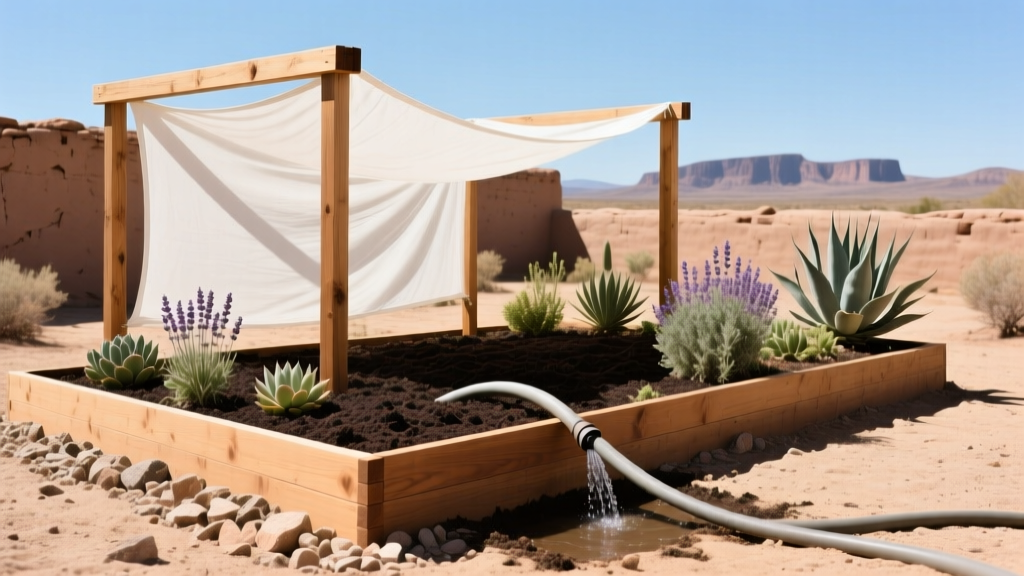
Raised Bed Gardening in the Desert Southwest: Soil and Water Tips
Lisa ThompsonPublished
The Unique Challenges of Desert Southwest Gardening
Gardening in the Desert Southwest—spanning across Arizona, New Mexico, Nevada, and parts of California and Texas—presents a unique set of hurdles that can frustrate even the most experienced green thumbs. According to the USDA Plant Hardiness Zone Map, much of this region falls into Zones 8 through 10, characterized by scorching summer temperatures, intense ultraviolet radiation, and remarkably low humidity. Furthermore, the native soil is often dominated by caliche, a hardpan layer of calcium carbonate that makes digging nearly impossible and severely restricts root growth and water drainage.
Because of these extreme regional conditions, traditional in-ground row gardening is rarely successful. Instead, raised bed gardening has emerged as the premier solution for homeowners looking to cultivate lush vegetables and vibrant flowers. By elevating the planting zone, you gain complete control over the soil profile, improve drainage, and create a manageable microclimate. However, succeeding in an arid environment requires a highly specific approach to soil formulation, water conservation, and heat management.
Building and Siting Your Raised Beds
When constructing raised beds for the desert, material selection and depth are critical. Avoid pressure-treated lumber, as the chemicals can leach into your edible crops under extreme heat. Instead, opt for naturally rot-resistant woods like redwood or cedar, or use galvanized steel troughs, which are increasingly popular in the Southwest. A standard 4x8 foot cedar bed will typically cost between $150 and $250 in materials.
Depth is especially important in arid climates. While a 12-inch bed might suffice in cooler, more humid regions, desert raised beds should be at least 18 to 24 inches deep. This extra depth provides a larger soil volume, which acts as a thermal buffer, keeping plant roots significantly cooler during 110°F heatwaves. When siting your beds, orient them north-to-south to maximize morning sun exposure while minimizing the harsh, direct impact of the late afternoon western sun.
The Perfect Arid-Climate Soil Mix
Never use native desert soil or caliche in your raised beds. You must engineer a soil mix that retains moisture without becoming waterlogged. In humid climates, peat moss is a common soil amendment, but in the highly alkaline Desert Southwest, coconut coir is vastly superior. Coir holds moisture exceptionally well, resists compaction, and has a more neutral pH, which helps counteract the natural alkalinity of regional water sources.
The University of Arizona Cooperative Extension heavily emphasizes the importance of organic matter in desert soils to improve water retention and microbial life. Below is an ideal soil recipe tailored specifically for the arid Southwest:
| Ingredient | Ratio | Purpose in Arid Climates |
|---|---|---|
| High-Quality Compost | 40% | Provides nutrients, introduces beneficial microbes, and improves moisture retention. |
| Coconut Coir | 30% | Acts like a sponge to hold water in the root zone; more sustainable and pH-neutral than peat. |
| Pumice or Perlite | 15% | Ensures adequate drainage and prevents soil compaction over time. |
| Vermiculite | 5% | Further aids in water and nutrient retention. |
| Biochar | 10% | Creates a permanent habitat for soil microbes and drastically reduces water evaporation. |
Water Conservation and Irrigation Strategies
Water is the most precious resource in the Desert Southwest. Hand-watering is inefficient due to rapid surface evaporation, and overhead sprinklers waste water and promote fungal diseases when humidity spikes during the late-summer monsoon season. To maximize efficiency, implement a multi-tiered watering strategy.
Drip Irrigation
Install a drip irrigation system using 1/2-inch mainlines and 1/4-inch tubing with inline emitters. For vegetable beds, use emitters rated at 0.5 to 1.0 Gallons Per Hour (GPH) spaced every 6 to 12 inches. According to the New Mexico State University Extension, drip irrigation can reduce water usage by up to 50% compared to traditional methods by delivering water directly to the root zone.
Ollas (Clay Pot Irrigation)
For a deeply traditional and highly effective method, bury unglazed terracotta pots (ollas) in the soil up to their necks. Fill them with water, and the porous clay will slowly seep moisture directly into the surrounding soil based on soil tension. This method virtually eliminates surface evaporation and encourages deep, drought-resistant root growth.
Heavy Mulching
Never leave desert soil exposed to the sun. Apply a 3 to 4-inch layer of organic mulch, such as arborist wood chips or shredded straw, over your drip lines. Mulch lowers the soil temperature by up to 15 degrees and drastically reduces water loss.
Managing Extreme Heat with Shade Cloth
Even heat-loving crops like tomatoes and peppers will drop their blossoms and suffer from sunscald when daytime temperatures consistently exceed 95°F. Shade cloth is an absolute necessity for Southwest gardeners from late May through September.
- 30% Density: Ideal for heat-loving crops like peppers, eggplants, and melons. It reduces UV intensity while allowing enough light for robust fruiting.
- 50% Density: Best for leafy greens, herbs, and root vegetables that bolt or turn bitter in intense heat.
- Structure: Build a simple hoop structure using PVC pipes or cattle panels to suspend the cloth at least 12 inches above the plant canopy. This gap is crucial for allowing hot air to escape and maintaining proper airflow.
Companion Planting for Arid Zones
Companion planting in the desert serves a dual purpose: pest management and microclimate creation. In the dry Southwest, spider mites and aphids thrive in dusty, hot conditions. Planting tall crops like sunflowers or amaranth on the western edge of your raised beds provides a living windbreak and natural shade for more delicate plants beneath them.
Additionally, use nasturtiums as a sacrificial trap crop. Aphids are highly attracted to nasturtiums, drawing them away from your prized tomatoes and brassicas. Planting low-growing, drought-tolerant herbs like creeping thyme or oregano around the base of your taller plants acts as a "living mulch," shading the soil surface, suppressing weeds, and further reducing moisture evaporation.
Best Vegetables and Flowers for the Southwest
Timing is everything in the desert. The Southwest essentially has two main growing seasons: a cool season (late fall through early spring) and a warm/monsoon season (late summer through early fall). Attempting to plant tomatoes in May will usually result in failure, as the peak heat of June and July will halt production.
| Crop Type | Varieties to Choose | Optimal Planting Window |
|---|---|---|
| Cool-Season Vegetables | Kale, Swiss Chard, Carrots, Radishes, Spinach | October to February |
| Spring Warm-Season | Short-season Tomatoes, Peppers, Bush Beans | Mid-February to Mid-April |
| Monsoon/Fall Harvest | Armenian Cucumbers, Black-eyed Peas, Okra, Pumpkins | Late July to August |
| Drought-Tolerant Flowers | Zinnias, Marigolds, Cosmos, Desert Penstemon | March or September |
Conclusion
Raised bed gardening in the Desert Southwest requires a departure from conventional gardening wisdom, but the rewards are well worth the effort. By engineering a moisture-retentive soil mix, utilizing precise drip and olla irrigation, deploying shade cloth during peak summer months, and respecting the unique bimodal planting seasons, you can cultivate a highly productive and beautiful garden. Embrace the regional climate, work with the natural rhythms of the desert, and your raised beds will thrive even in the harshest of conditions.
