Gardening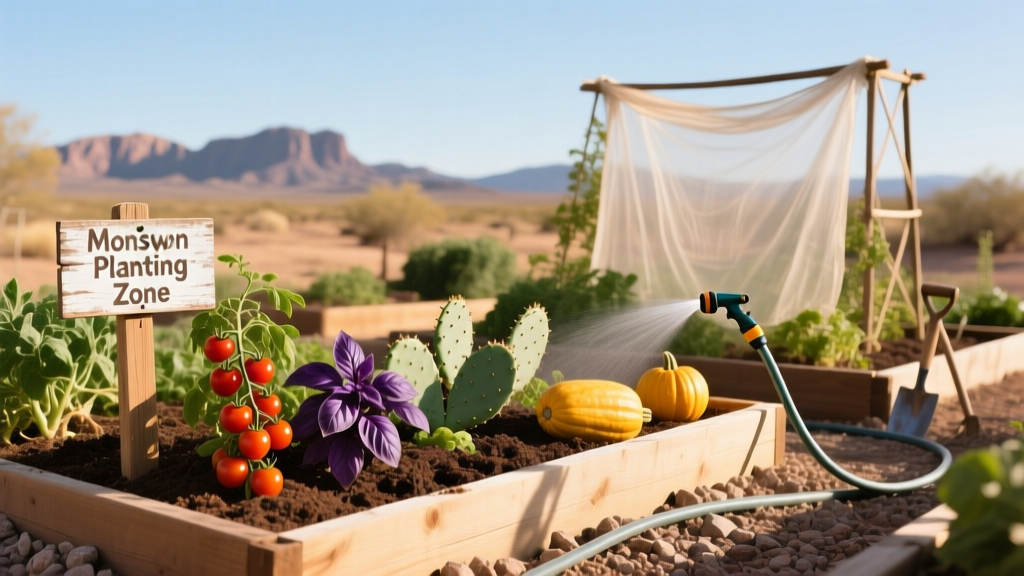
Desert Southwest Vegetable Gardening: Beating the Heat
Sarah ChenPublished
The Unique Challenges of Desert Southwest Gardening
Gardening in the American Southwest presents a unique set of extreme environmental challenges that can quickly overwhelm novice growers. From the scorching heat of the Sonoran Desert to the high-elevation arid climates of New Mexico, growers must battle intense UV radiation, soaring summer temperatures, low humidity, and highly alkaline soils. However, with the right regional strategies, the Southwest can become a year-round gardening paradise. By leveraging microclimates, utilizing specialized irrigation techniques, and adhering to a bimodal planting calendar, you can cultivate a thriving vegetable garden even in the harshest conditions.
The key to success in this region is understanding that the desert operates on a completely different seasonal rhythm than the rest of the country. Instead of a single summer growing season, desert gardeners typically utilize two distinct growing windows: a mild spring season and an extended fall/winter season. This guide will walk you through the essential, actionable steps required to transform your arid backyard into a productive, water-wise edible landscape.
Conquering Alkaline Caliche Soil
One of the most formidable barriers to desert gardening is the native soil. Much of the Southwest is dominated by caliche, a hardpan layer of soil where calcium carbonate has cemented sand, clay, and silt together into a rock-like substance. Furthermore, desert soils are notoriously alkaline, often boasting a pH between 7.5 and 8.5. This high pH locks up essential micronutrients like iron, zinc, and manganese, leading to severe chlorosis (yellowing) in vegetable crops.
Raised Beds vs. Native Soil Amendment
While it is possible to amend native soil, the most efficient and reliable method for desert vegetable gardening is constructing raised beds. Building raised beds at least 12 to 18 inches deep allows you to bypass the caliche layer entirely, ensuring proper drainage and root penetration. According to the University of Arizona Cooperative Extension, raised beds also warm up faster in the early spring and allow for intensive planting, which helps shade the soil and reduce evaporation.
If you choose to plant directly in the ground, you must aggressively amend the soil. Incorporate 3 to 4 inches of high-quality organic compost into the top 12 inches of soil. To lower the pH, apply elemental sulfur at a rate of 1 to 2 pounds per 100 square feet. Be aware that elemental sulfur takes months to react, so it should be applied in the fall for spring planting. The USDA Natural Resources Conservation Service highly recommends regular soil testing to monitor pH and salinity levels, as desert irrigation water can sometimes introduce excess salts to the root zone over time.
Precision Water Management and Drip Irrigation
In a region where summer evaporation rates can exceed half an inch of water per day, traditional overhead sprinklers are incredibly inefficient and can promote fungal diseases due to rapid temperature fluctuations on wet foliage. Drip irrigation is not just a luxury in the Southwest; it is an absolute necessity.
Install a drip system using 1/2-inch poly tubing with inline emitters spaced every 12 inches. For raised beds, a grid layout ensures uniform moisture distribution. Connect your system to a programmable digital timer equipped with a rain sensor and a solar index adjuster. During the peak heat of July and August, deep, infrequent watering is critical. Watering for 45 to 60 minutes every two to three days encourages deep root growth, whereas short, daily watering creates shallow, heat-vulnerable root systems.
Mulching is the perfect companion to drip irrigation. Apply a 3-inch layer of organic mulch, such as shredded straw, pine needles, or untreated grass clippings, over the drip lines. The Texas A&M AgriLife Extension Earth-Kind program notes that proper mulching can reduce soil moisture evaporation by up to 70 percent while keeping root zone temperatures up to 15 degrees cooler than bare soil.
Strategic Use of Shade Cloth
While sunlight is abundant, the intense midday desert sun can cause sunscald on peppers, tomatoes, and eggplants, and will instantly bolt leafy greens. Utilizing shade cloth is a cornerstone of regional climate-specific care. Shade cloth is rated by density, which dictates how much sunlight is blocked.
- 30% Shade Cloth (Black or Green): Ideal for heat-loving crops like tomatoes, peppers, and eggplants during the late spring and early fall. It reduces heat stress while providing ample light for fruit set.
- 50% Shade Cloth (Aluminet or Black): Best for leafy greens, root vegetables, and delicate herbs during the warmer months. Aluminet reflective shade cloth is particularly effective in the Southwest as it reflects solar radiation rather than absorbing it, significantly lowering ambient temperatures beneath the canopy.
- 70% to 90% Shade Cloth: Reserved strictly for creating cool microclimates for cold-frame storage, compost bins, or sensitive orchids and ferns.
Construct simple hoop houses using PVC pipes bent over rebar stakes, and drape the shade cloth over the hoops. Ensure the cloth is elevated at least 12 inches above the plant canopy to allow for adequate air circulation and heat dissipation.
Heat-Tolerant Crop Varieties
Selecting the right genetics is half the battle. Standard catalog varieties bred for cooler, humid climates will fail in the arid heat. Seek out varieties specifically bred for the South and Southwest. For tomatoes, choose heat-set varieties like 'Arkansas Traveler', 'Sun Gold', or 'Phoenix'. For peppers, 'Jalapeno M' and 'Anaheim' handle high heat beautifully. When it comes to legumes, abandon standard green beans in the summer and switch to Southern peas like 'Mississippi Silver' cowpeas or 'Zipper' cream peas, which thrive in 100-degree heat and actually improve soil nitrogen levels.
The Desert Planting Calendar
Timing is everything in desert gardening. The Southwest features a bimodal planting schedule, avoiding the dead of summer for most crops. Below is a general planting guide tailored for USDA Zones 9a and 9b (e.g., Phoenix, Tucson, and lower elevation New Mexico).
| Crop | Spring Planting Window | Fall/Monsoon Planting Window | Regional Notes |
|---|---|---|---|
| Tomatoes | Feb 15 - Mar 15 | Jul 15 - Aug 15 (Transplants) | Use 30% shade cloth in late spring; prune heavily in July to encourage fall monsoon flush. |
| Peppers | Mar 1 - Mar 31 | Jul 1 - Jul 31 (Transplants) | Mulch heavily; peppers will drop blossoms if nighttime temps stay above 85F. |
| Leafy Greens | Jan 15 - Feb 28 | Sep 15 - Nov 30 | Grow as a winter crop; use 50% shade cloth if planting in early September. |
| Root Veggies | Jan 1 - Feb 15 | Sep 1 - Oct 31 | Carrots and beets require loose, rock-free soil; keep seedbed constantly moist. |
| Cucumbers | Mar 1 - Mar 31 | Aug 1 - Aug 31 | Provide afternoon shade; trellis vertically to save space and improve airflow. |
| Cowpeas | N/A | May 1 - Jul 31 | Excellent summer cover crop; highly drought and heat tolerant. |
Maximizing the Monsoon Season
The North American Monsoon, which typically arrives in late June and lasts through September, brings a vital shift in desert weather. Humidity rises, cloud cover increases, and afternoon thunderstorms become frequent. This period is often referred to as the desert's 'second spring.' As the intense solar radiation is filtered by cloud cover and nighttime temperatures begin to drop, heat-stressed plants like tomatoes and peppers will experience a massive flush of new growth and fruit set.
To capitalize on the monsoon, gardeners should prune back dead or diseased foliage from their spring crops in late June, apply a balanced organic fertilizer (such as a 5-5-5 granular blend), and ensure drip lines are clear. By mid-August, begin direct-seeding fall crops like bush beans, cucumbers, and squash, taking advantage of the warm soil and increased atmospheric moisture to ensure rapid germination.
Expert Tip: Companion planting is a powerful tool for climate control. Plant tall, heat-loving crops like sunflowers or sorghum on the west side of your garden beds. By late afternoon, they will cast a long shadow, providing natural, dappled shade for more sensitive crops like lettuces and cilantro, effectively creating a localized microclimate that mimics higher latitudes.
By respecting the extreme rhythms of the desert, investing in soil infrastructure, and utilizing strategic shading and irrigation, you can achieve remarkable yields. The Southwest garden rewards the observant and prepared grower with a nearly year-round harvest of vibrant, homegrown produce.
