Gardening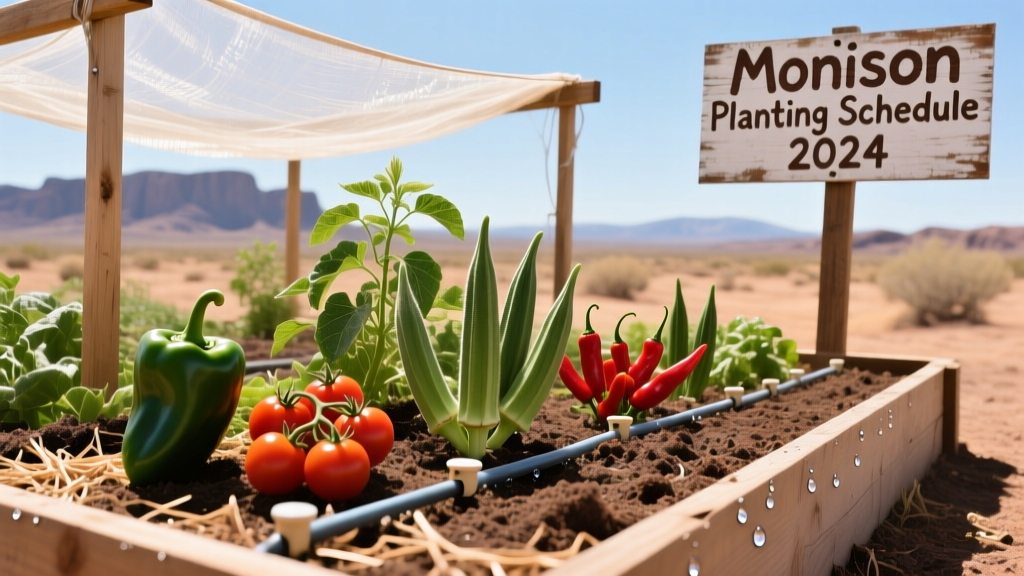
Desert Southwest Vegetable Gardening: Heat and Soil Tips
Lisa ThompsonPublished
The Unique Challenges of Southwest Gardening
Gardening in the Desert Southwest—encompassing USDA Hardiness Zones 8 through 10 across Arizona, New Mexico, West Texas, and Southern Nevada—presents a unique set of hurdles that can frustrate even the most experienced horticulturists. Unlike the temperate climates of the Midwest or the humid environments of the Southeast, the Southwest is defined by extreme summer heat, intense ultraviolet radiation, low humidity, and notoriously poor native soils. However, with the right regional strategies, this arid landscape can produce an astonishingly abundant harvest year-round. According to the University of Arizona Cooperative Extension, the key to desert gardening is not fighting the climate, but adapting your methods to leverage the region's abundant sunshine and long frost-free windows. This guide will walk you through the exact soil amendments, irrigation setups, and planting schedules required to turn your arid backyard into a thriving edible oasis.
Conquering Caliche: Soil Preparation and Raised Beds
The most infamous barrier to Southwest gardening is caliche—a hardened layer of calcium carbonate that cements soil particles together, creating a concrete-like hardpan just inches below the surface. This layer prevents root penetration, causes severe waterlogging during rare heavy rains, and locks up essential nutrients. Furthermore, desert soils are typically highly alkaline, with pH levels frequently ranging from 8.0 to 8.5, which causes iron chlorosis in many vegetable crops.
To bypass caliche entirely, most successful desert gardeners utilize raised beds. Constructing a standard 4-foot by 8-foot cedar or composite raised bed (12 to 18 inches deep) typically costs between $150 and $250 in materials. The National Gardening Association notes that raised beds not only solve drainage and hardpan issues but also allow for complete control over the soil profile. For the desert, a modified soil mix is recommended to maximize water retention: combine 40% high-quality compost, 30% coconut coir (which holds moisture better than peat moss and is more sustainable), 20% topsoil, and 10% perlite or pumice for aeration.
If you must plant in the native ground, you will need to amend the soil heavily. The USDA Natural Resources Conservation Service emphasizes that building soil organic matter is critical for improving soil structure and water-holding capacity. Incorporate 3 to 4 inches of organic compost into the top 12 inches of soil using a broadfork or heavy-duty tiller. To lower the pH over time, apply elemental sulfur at a rate of 1 to 2 pounds per 100 square feet in the fall, allowing winter rains to work it into the soil profile before spring planting.
Water Management: Drip Irrigation and Mulching
In a climate where summer evaporation rates can exceed half an inch per day, overhead sprinkler watering is highly inefficient and can lead to fungal diseases due to rapid temperature fluctuations. Drip irrigation is an absolute necessity. A basic drip kit for a 4x8 raised bed costs around $40 to $60 and can reduce water usage by up to 50% compared to traditional methods.
Install a main half-inch polyethylene tubing line down the center of your beds, and attach quarter-inch drip lines with 1-gallon-per-hour (GPH) emitters spaced exactly 12 inches apart. This grid ensures overlapping hydration zones, encouraging deep, robust root growth. Connect the system to a programmable digital timer set to water deeply and infrequently—typically 30 to 45 minutes every two to three days during the peak of summer, adjusting based on seasonal temperatures.
Pair your drip system with a thick layer of organic mulch. Apply 3 to 4 inches of seedless straw, shredded fall leaves, or arborist wood chips over the soil surface, keeping it a few inches away from plant stems. Mulch acts as an insulating blanket, dropping soil temperatures by 10 to 15 degrees Fahrenheit and drastically reducing surface evaporation.
Beating the Heat: Shade Cloth and Microclimates
When July and August arrive, daytime temperatures frequently surpass 105°F, causing heat stress, blossom drop in tomatoes, and sunscald on exposed fruits. To protect your crops, you must create artificial microclimates using shade cloth. Invest in a knitted, UV-stabilized shade cloth with a 30% to 50% density rating. Build a simple hoop house structure using PVC pipes or heavy-gauge wire bent over the beds, and drape the cloth securely over the top.
Shade cloth not only protects plants from intense solar radiation but also reduces the ambient air temperature beneath the canopy by several degrees, keeping pollinators active and preventing the soil from drying out too rapidly. Additionally, practice strategic companion planting to utilize natural shade. Plant towering crops like sunflowers, okra, or trellised Armenian cucumbers on the south and west sides of your garden to cast a protective afternoon shadow over more delicate, heat-sensitive crops like leafy greens and peppers.
Desert Composting: Adapting to Low Humidity
Composting in the arid Southwest requires a different approach than in humid climates. The low humidity and high winds can dry out a compost pile in a matter of days, halting the microbial activity required for decomposition. To maintain an active hot compost pile, you must treat it like a living garden bed: it needs regular watering. Keep the internal moisture level resembling a wrung-out sponge by spraying it with a hose every time you turn it.
Because desert soils lack nitrogen, ensure your compost pile has a higher ratio of nitrogen-rich 'green' materials (like vegetable scraps, coffee grounds, and fresh grass clippings) to carbon-rich 'brown' materials (like dried leaves and shredded cardboard). Aim for a 2:1 ratio of browns to greens, rather than the traditional 3:1, to accelerate the breakdown process in dry conditions. Covering the pile with a dark tarp will help retain both heat and moisture, yielding finished, nutrient-dense compost in as little as 8 to 10 weeks.
The Monsoon and Winter Planting Windows
Unlike the rest of the United States, where summer is the primary growing season, the Desert Southwest actually features two distinct, highly productive planting windows: the late-summer monsoon season and the mild winter. The 'Monsoon' season typically begins in early July, bringing increased humidity and afternoon thunderstorms. This is the ideal time to plant heat-loving crops that will mature into the autumn.
Following the monsoon, the Southwest enjoys a long, frost-free winter that serves as a second spring. Cool-season crops thrive from October through April, completely avoiding the devastating summer heat. Below is a structured planting guide tailored for the low-desert regions (elevation below 3,000 feet).
| Crop Category | Specific Crops | Planting Window | Days to Maturity | Regional Notes |
|---|---|---|---|---|
| Monsoon / Fall | Tomatoes, Peppers, Eggplant | July 15 - Aug 15 | 70 - 90 | Use transplants; provide 30% shade cloth until September. |
| Monsoon / Fall | Okra, Sweet Potatoes, Pumpkins | June 1 - July 30 | 90 - 120 | Direct sow; requires heavy mulch and deep drip irrigation. |
| Winter / Spring | Garlic, Onions, Leeks | Oct 1 - Nov 15 | 180 - 240 | Plant cloves/sets 2 inches deep; harvest in late May. |
| Winter / Spring | Broccoli, Cauliflower, Cabbage | Sept 15 - Nov 1 | 60 - 85 | Use transplants; watch for cabbage loopers. |
| Winter / Spring | Carrots, Beets, Radishes | Oct 1 - Feb 28 | 30 - 75 | Direct sow; keep seedbed consistently moist for germination. |
Recommended Heat-Tolerant Varieties
Selecting the right cultivars is just as important as soil and water management. Standard grocery store varieties often fail to set fruit when nighttime temperatures remain above 85°F. For tomatoes, seek out heat-set varieties such as 'Phoenix', 'Heatmaster', 'Solar Fire', or the highly resilient 'Arkansas Traveler'. These have been specifically bred to pollinate and set fruit even under extreme thermal stress.
For beans, abandon traditional bush beans in the summer and opt for Tepary beans (Phaseolus acutifolius), a native Southwest legume that thrives in intense heat and requires significantly less water than standard green beans. Similarly, swap out standard cucumbers for Armenian cucumbers (which are technically melons but culinary cucumbers), as they do not turn bitter in the heat and can grow up to three feet long on a sturdy trellis. By combining these resilient varieties with meticulous soil preparation, targeted drip irrigation, and strategic shading, your Southwest garden will flourish regardless of the harsh desert environment.
