Gardening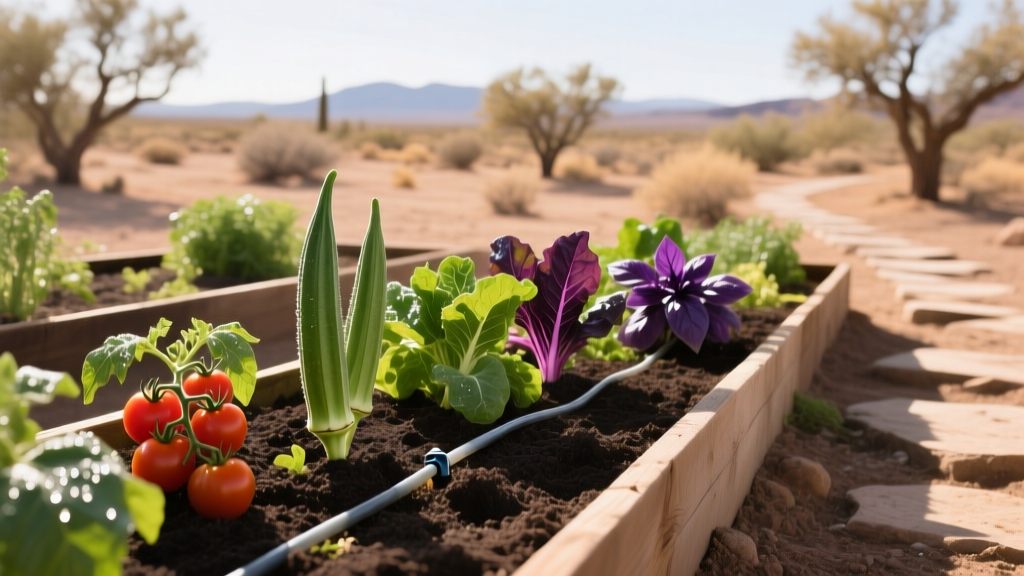
Desert Vegetable Gardening: Growing Food In Arid Climates
Sarah ChenPublished
Introduction to Desert Gardening
Desert gardening is often viewed as an oxymoron by those accustomed to the lush, rain-fed soils of the Midwest or the temperate coastal regions. However, with the right strategies, arid climates offer incredible opportunities for year-round food production. The intense sunlight, while harsh, provides abundant solar energy for photosynthesis, and the low humidity significantly reduces the prevalence of fungal diseases that plague tomatoes and squash in wetter regions. To succeed in USDA Hardiness Zones 9 through 11, or any region receiving less than 10 inches of annual rainfall, gardeners must abandon traditional temperate-zone practices and embrace a desert-specific methodology. This involves mastering soil amendment for alkaline hardpans, implementing hyper-efficient irrigation, and understanding the unique bimodal growing seasons of the Southwest.
Understanding the Desert Microclimate
Before digging a single hole, you must evaluate your yard's microclimates. Desert environments are characterized by extreme temperature fluctuations, high evaporation rates, and desiccating winds. The afternoon sun in July can easily push surface soil temperatures past 140°F, which will cook the shallow roots of most vegetable crops. To combat this, strategic shading is non-negotiable. Investing in a 40% to 50% aluminet shade cloth is one of the most cost-effective upgrades a desert gardener can make. Unlike traditional black knit shade cloth, aluminet reflects solar radiation rather than absorbing it, dropping the ambient temperature beneath the canopy by up to 15°F. A basic 10x20 foot aluminet canopy supported by PVC or steel frames will cost between $80 and $150, protecting your delicate greens and ripening tomatoes from sunscald. Additionally, establishing windbreaks using native, drought-tolerant shrubs like Texas Ranger (Leucophyllum frutescens) or Lantana can reduce wind-driven evaporation and protect young seedlings from physical damage.
Conquering Caliche: Soil Preparation and Raised Beds
The native soil in many arid regions is plagued by caliche—a concrete-like layer of calcium carbonate that prevents root penetration and causes severe drainage issues. Furthermore, desert soils are typically highly alkaline, with pH levels often exceeding 8.0, which locks up essential nutrients like iron and phosphorus. According to the USDA Natural Resources Conservation Service, building soil organic matter is critical for improving water retention and buffering pH extremes in degraded soils.
Rather than attempting to break through caliche with a pickaxe, the most practical and ergonomic solution is to construct raised beds. For desert climates, raised beds should be at least 12 to 18 inches deep to provide a sufficient buffer against the radiant heat of the surrounding earth and to accommodate deep-rooting crops like tomatoes and carrots. A standard 4x8 foot cedar or composite raised bed kit costs between $150 and $300.
Fill your beds with a desert-optimized soil mix: 40% high-quality compost, 30% coconut coir (which holds water exceptionally well in sandy environments), 20% topsoil, and 10% pumice or perlite for drainage. Because desert soils lack organic matter, you must amend your raised beds with 2 to 3 inches of fresh compost every spring and fall. To lower the pH naturally and provide a steady release of micronutrients, incorporate elemental sulfur and chelated iron into your soil mix prior to planting.
Water Management: Drip Systems and Ancient Techniques
Water is the most precious resource in an arid garden. Overhead sprinklers are incredibly inefficient in the desert, losing up to 50% of their volume to wind drift and rapid evaporation. The Texas A&M AgriLife Extension strongly advocates for subsurface or surface drip irrigation to deliver water directly to the root zone, minimizing waste and preventing weed seed germination in the pathways. A comprehensive drip irrigation kit for a 4x8 raised bed costs roughly $45 to $70 and should feature inline emitters spaced 12 inches apart.
To supplement drip lines, consider reviving the ancient practice of using Ollas (pronounced oh-yahs). These unglazed, porous clay pots are buried in the soil up to their necks and filled with water. The water slowly seeps through the clay walls, drawn out by the soil's moisture tension. Plant roots will naturally wrap around the Olla, drinking only what they need. A single 1-gallon Olla, costing around $25, can effectively irrigate a 3-foot radius for several days, making it an invaluable tool for keeping desert gardens hydrated during peak summer heat or when you are away on vacation.
Finally, never leave desert soil bare. Apply a 3-to-4-inch layer of organic mulch, such as shredded straw or untreated wood chips, around your plants. Mulch acts as an insulating blanket, keeping root zones cool and reducing surface evaporation by up to 70%.
Selecting Heat-Tolerant Crops for the Arid Garden
Choosing the right plant varieties is the difference between a thriving harvest and a withered disappointment. Standard lettuce and spinach will bolt and turn bitter within days of hitting 90°F. Instead, seek out heat-adapted alternatives and desert-native edibles. The University of Arizona Cooperative Extension provides extensive lists of desert-adapted vegetables that thrive in extreme heat.
Below is a comparison chart of highly recommended crops for arid climate gardening:
| Crop Variety | Optimal Planting Window | Days to Harvest | Heat Tolerance |
|---|---|---|---|
| Armenian Cucumber | March - April / August | 60 - 70 Days | Extreme (Thrives in 100°F+) |
| Malabar Spinach | April - May | 70 - 85 Days | Extreme (Vining heat-lover) |
| Sweet Potato (Beauregard) | April - June | 90 - 120 Days | High (Excellent groundcover) |
| Swiss Chard (Fordhook) | September - February | 50 - 60 Days | Moderate (Cool season staple) |
| Cowpeas (Black-eyed Peas) | May - July | 70 - 90 Days | High (Fixes nitrogen in poor soil) |
The Two Desert Growing Seasons
Unlike temperate regions that enjoy a single, long summer growing season, the desert features two distinct planting windows. The 'Cool Season' runs from late September through April. This is the time to grow root vegetables, brassicas, leafy greens, and alliums. The winter months in the low desert are mild, allowing crops like garlic, onions, and carrots to slowly mature and develop intense, sweet flavors without the risk of freezing.
The 'Warm Season' is dictated by the monsoon rains, typically beginning in late July or early August. This is when you plant your heat-loving crops like tomatoes, peppers, eggplants, and sweet potatoes. By planting in August, these crops establish their root systems during the slightly cooling days of early autumn, allowing them to produce heavily through October and November. Attempting to plant tomatoes in May, as gardeners in cooler climates do, will almost certainly result in blossom drop and plant death due to the brutal mid-summer heat.
Companion Planting for Shade and Pest Control
In the desert, companion planting is less about folklore and more about physical survival. Utilize the 'nurse plant' concept by planting tall, heat-loving crops to provide afternoon shade for more sensitive plants. For example, plant your sunflowers, okra, or Amaranth on the south and west sides of your raised beds. As they grow to heights of 6 to 8 feet, they will cast a crucial afternoon shadow over your bell peppers and eggplants, protecting them from sunscald while maximizing the vertical space in your garden. Additionally, interplanting aromatic herbs like rosemary, oregano, and basil can help confuse the olfactory senses of common desert pests like the leaf-footed bug and the whitefly.
Conclusion
Gardening in an arid climate demands respect for the environment and a willingness to adapt. By investing in raised beds to bypass caliche, utilizing drip irrigation and Ollas to conserve water, and selecting crops bred for extreme heat, you can transform a barren, sun-baked yard into a highly productive, edible oasis. The desert garden is a place of resilience, rewarding the observant and prepared gardener with unique flavors and year-round bounty.
