Gardening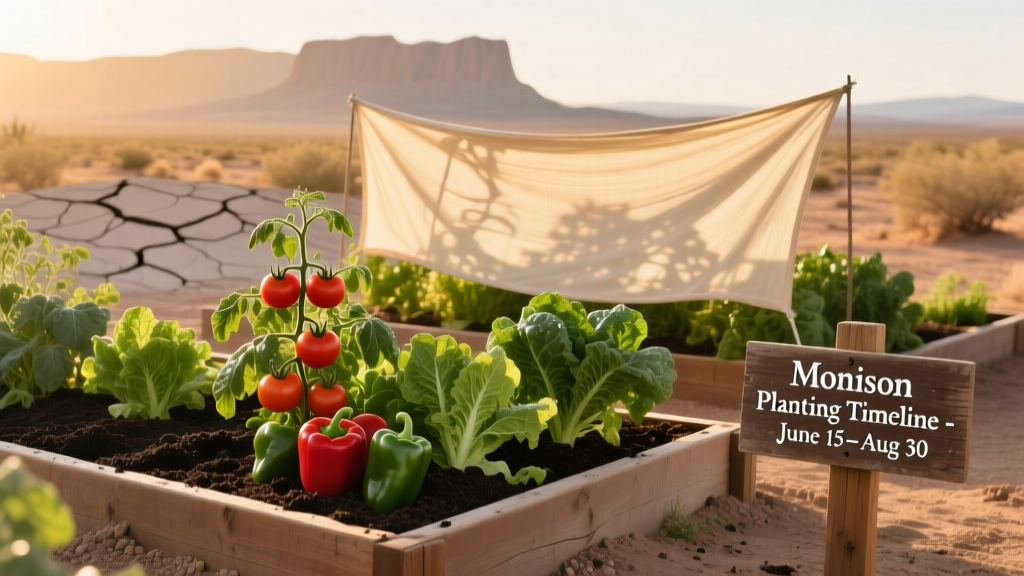
Desert Gardening: Growing Vegetables in Extreme Heat
Anna KowalskiPublished
Gardening in the low desert regions of the American Southwest—spanning areas like Phoenix, Tucson, Las Vegas, and the Inland Empire of California—presents a unique set of challenges that defy traditional horticultural wisdom. While much of the country worries about the first frost, desert gardeners are battling triple-digit temperatures, intense UV radiation, and notoriously alkaline, compacted soils. However, with the right regional strategies, you can cultivate a highly productive, year-round vegetable garden. This guide dives deep into the specific climate adaptations, soil amendments, and seasonal timelines required to master desert vegetable gardening.
Understanding the Low Desert Climate and Microclimates
The low desert is characterized by USDA Hardiness Zones 9 through 11 and Sunset Climate Zones 12 and 13. Here, summers routinely exceed 110°F (43°C), and annual rainfall often falls below 10 inches. According to the University of Arizona Cooperative Extension, the intense heat and low humidity cause rapid evapotranspiration, meaning plants lose water faster than their roots can absorb it.
To succeed, you must stop thinking in terms of a single summer growing season. The desert actually features two primary growing windows: the extended cool season and the late-summer monsoon season. Spring and early fall are transitional periods that require careful crop selection and protective infrastructure.
Amending Alkaline and Caliche Soils
Desert soils are typically sandy or heavy clay, often underlaid by a concrete-like layer of calcium carbonate known as caliche. Furthermore, the soil pH usually ranges from 7.5 to 8.5, which locks up essential micronutrients like iron, zinc, and manganese, leading to severe chlorosis (yellowing of leaves).
Building Raised Beds Over Caliche
If you hit caliche within the top 12 inches of your yard, abandon the idea of in-ground planting. Instead, construct raised beds at least 18 to 24 inches deep. Use untreated cedar or composite lumber. Fill the beds with a mix of 40% high-quality topsoil, 40% organic compost, and 20% pumice or perlite for drainage.
Lowering Soil pH
For in-ground gardens or container top-offs, you must actively lower the pH. Apply elemental sulfur (such as Espoma Organic Soil Acidifier) at a rate of 1 to 2 pounds per 100 square feet in the fall, allowing soil microbes to process it over the winter. Incorporating acidic organic matter like peat moss or composted pine bark will also help buffer the alkalinity over time.
The Two Desert Growing Seasons
Unlike temperate zones, the desert's 'winter' is the most productive and forgiving time to grow.
The Cool Season (October through April)
This is your time for heavy feeders and leafy greens. Because temperatures hover between 60°F and 80°F, crops like kale, Swiss chard, broccoli, cauliflower, carrots, and sugar snap peas thrive. Frost is rare in the lowest elevations, but having a row cover (like Agribon AG-19) on hand for occasional January cold snaps is recommended.
The Monsoon and Warm Season (August through November)
While the rest of the country is winding down in September, desert gardeners are starting their warm-season crops. Planting tomatoes, peppers, and eggplants in late summer allows them to establish roots during the humid monsoon season and produce heavily through the warm autumn months. The Texas A&M AgriLife Extension notes that heat-set tomato varieties, such as 'Sun Gold' or 'Phoenix', are critical for fruit set when nighttime temperatures remain above 75°F.
Essential Infrastructure: Shade and Drip Irrigation
You cannot grow vegetables in the low desert without artificial shade and automated watering. Hand-watering is inefficient and leads to massive water loss through evaporation.
Deploying Shade Cloth
During the months of May through September, direct sunlight will scorch delicate foliage and cause blossom drop in nightshades. Install a sturdy PVC or metal hoop house frame and drape it with knitted shade cloth.
- 30% to 40% Shade Cloth: Ideal for heat-loving crops like tomatoes, peppers, eggplants, and melons. It reduces ambient temperature by 10°F to 15°F while allowing sufficient PAR (Photosynthetically Active Radiation) for fruiting.
- 50% to 60% Shade Cloth: Use this for extending cool-season crops like lettuce and spinach into the late spring and early fall.
- 70% to 80% Shade Cloth: Reserved for highly sensitive herbs (cilantro, parsley) and orchids.
Brands like DeWitt or Viagrow offer UV-stabilized knitted shade cloths that cost between $20 and $45 for a 10x20 foot panel, a worthwhile investment that lasts for several seasons.
Drip Irrigation Scheduling
Use a drip irrigation system equipped with pressure-compensating emitters rated at 1 to 2 gallons per hour (GPH). Netafim and DIG are industry-standard brands. Mulch the soil surface with 3 inches of organic wood chips or straw to retain moisture and keep root zones cool. According to UC Agriculture and Natural Resources, deep and infrequent watering encourages deep root growth, which is vital for surviving extreme heat. In the peak of summer, program your timer to run daily for 30 to 45 minutes, preferably splitting the run time into two cycles (pre-dawn and late evening) to maximize absorption and minimize runoff.
Desert Vegetable Planting Calendar
Timing is everything. Planting even two weeks late can result in crop failure due to bolting or heat stress. Below is a structured guide for low-desert elevations (under 3,000 feet).
| Crop Category | Planting Window (Transplants) | Planting Window (Seeds) | Harvest Period |
|---|---|---|---|
| Tomatoes & Peppers | Feb 15 – Mar 15 & Aug 15 – Sep 15 | Start indoors Dec & Jun | May – Jul & Oct – Dec |
| Leafy Greens (Lettuce, Kale) | Sep 15 – Feb 15 | Oct 1 – Jan 31 | Nov – Apr |
| Root Veggies (Carrots, Beets) | N/A (Direct Sow Only) | Oct 1 – Feb 28 | Dec – May |
| Brassicas (Broccoli, Cauliflower) | Sep 1 – Nov 30 & Jan 15 – Feb 28 | Aug 15 – Oct 15 | Nov – Apr |
| Warm Melons & Squash | Mar 1 – Apr 15 & Aug 1 – Aug 31 | Feb 15 – Mar 31 | May – Jul & Oct – Nov |
Companion Planting for Microclimates
In the desert, companion planting is less about pest deterrence and more about creating living shade structures. This technique, often inspired by traditional arid-land farming, utilizes tall, heat-tolerant plants to protect shorter, more vulnerable crops.
- The Three Sisters Adaptation: Plant drought-tolerant corn or towering sunflowers on the south and west sides of your garden. As the summer sun beats down, these tall plants cast a shadow over the eastern side, where you can grow bush beans and delicate peppers.
- Groundcover Mulching: Interplant sprawling crops like sweet potatoes or pumpkins beneath fruiting trees or trellised tomatoes. Their dense foliage acts as a 'living mulch,' shading the soil, reducing evaporation, and suppressing weeds.
- Nitrogen Fixers in Poor Soil: Because desert soils lack organic nitrogen, heavily interplant legumes like cowpeas or tepary beans. These native and heat-adapted legumes fix atmospheric nitrogen into the soil, benefiting neighboring heavy feeders like corn or squash.
'Desert gardening requires a paradigm shift. You are not fighting the climate; you are negotiating with it. By leveraging the mild winters and utilizing shade infrastructure during the brutal summers, a desert garden can out-yield almost any temperate zone garden on an annual basis.'
Managing Pests and Diseases in Arid Climates
While the low humidity of the desert naturally suppresses fungal diseases like powdery mildew and blight, it creates a haven for specific sap-sucking insects. Aphids, whiteflies, and spider mites thrive in dusty, hot conditions.
To manage these pests without disrupting the fragile desert ecosystem:
- Dust Control: Spider mites love dusty foliage. Rinse your plants with a sharp jet of water early in the morning once a week to knock down mite populations and wash off dust.
- Neem Oil Applications: Apply cold-pressed neem oil in the late evening. Never apply horticultural oils during the heat of the day or when temperatures exceed 90°F, as the oil will magnify the sun's rays and severely burn the plant tissue.
- Encourage Beneficial Insects: Plant native desert wildflowers like brittlebush, desert marigold, and penstemon around your garden borders. These provide year-round nectar for predatory insects like ladybugs, lacewings, and parasitic wasps, which will naturally patrol your vegetable beds for whiteflies and aphids.
Final Thoughts on Desert Harvests
Gardening in the extreme heat of the low desert is an exercise in patience, observation, and adaptation. By respecting the dual growing seasons, investing heavily in soil amendments and shade infrastructure, and utilizing smart irrigation techniques, you can transform a barren, sun-baked yard into a lush, edible oasis. The initial investment in raised beds, drip irrigation, and shade cloth will pay dividends for years, providing you with a continuous, localized harvest that defies the harshness of the surrounding landscape.
