Gardening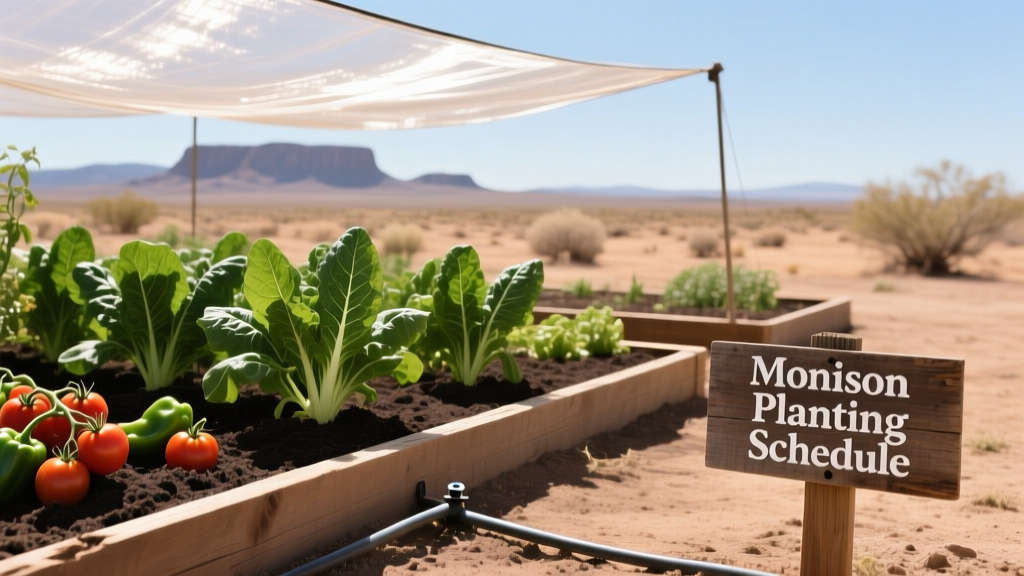
Desert Vegetable Gardening In The Southwest Zones 9 To 11
James MillerPublished
Gardening in the Southwest desert of the United States—encompassing parts of Arizona, New Mexico, Nevada, and Southern California—presents a unique set of challenges and rewards. Falling primarily within USDA Hardiness Zones 9 through 11, this region is characterized by blistering summer temperatures, low humidity, intense UV radiation, and notoriously difficult alkaline soils. However, with the right regional strategies, desert gardeners can achieve massive yields. According to the USDA Plant Hardiness Zone Map, understanding your specific microclimate is the first step toward success. This comprehensive guide will walk you through soil preparation, water management, shade cloth deployment, and the unique bimodal planting calendar required to thrive in the Southwest.
Understanding the Bimodal Desert Climate
Unlike temperate regions that enjoy a single, long summer growing season, the Southwest desert operates on a bimodal planting calendar. The extreme heat of June and early July makes traditional summer crops like bell peppers and standard tomatoes drop their blossoms and fail to set fruit. Instead, desert gardeners rely on two distinct growing windows: the Cool Season and the Monsoon Season.
The Cool Season runs from late September through April, offering mild days and crisp nights perfect for root vegetables, brassicas, and leafy greens. The Monsoon Season begins in late July or August, coinciding with the North American Monsoon, which brings increased humidity, afternoon thunderstorms, and slightly lower temperatures. This is the time to plant heat-loving crops that will produce heavily into the autumn months. The University of Arizona Cooperative Extension heavily emphasizes adapting to this bimodal schedule rather than fighting the climate.
Conquering Caliche: Soil Preparation and Raised Beds
The native soil in the Southwest is often dominated by caliche—a rock-hard layer of calcium carbonate that restricts root growth and drains poorly. Furthermore, desert soils are typically highly alkaline, with pH levels ranging from 7.5 to 8.5, which locks up essential nutrients like iron and phosphorus.
The Raised Bed Solution
While amending native soil is possible, the most reliable and cost-effective method for desert vegetable gardening is constructing raised beds. A standard 4x8-foot cedar or composite raised bed (12 to 18 inches deep) will cost between $150 and $300 in materials.
For the soil mix, avoid using native dirt. Instead, create a desert-adapted loam:
- 40% High-Quality Topsoil: Provides bulk and mineral content.
- 40% Organic Compost: Retains moisture and introduces beneficial microbes.
- 20% Coarse Pumice or Perlite: Ensures drainage and prevents soil compaction.
To combat alkalinity, mix in elemental sulfur at a rate of 1 to 2 pounds per 100 square feet of bed space, and incorporate a balanced organic fertilizer. Adding a trace mineral supplement like Azomite (1/2 cup per square foot) is highly recommended to replenish micronutrients often missing in desert environments.
Water Management: Drip Irrigation and Mulching
In a region where annual rainfall can be less than 9 inches and summer evaporation rates are extreme, overhead sprinklers are a waste of water and invite fungal diseases. Drip irrigation is non-negotiable for Southwest gardening.
Setting Up Your Drip System
Install a pressure regulator (set to 15-25 PSI) and a mesh filter at your spigot. Use 1/2-inch mainline tubing and run 1/4-inch drip lines with inline emitters spaced 12 inches apart. Brands like Netafim or Rain Bird offer durable, UV-resistant drip lines that can withstand the harsh desert sun.
- Watering Schedule (Summer): Water deeply 2 to 3 times per week for 45-60 minutes per session. Deep, infrequent watering encourages roots to grow downward, where the soil remains cooler and moister.
- Watering Schedule (Winter): Reduce to once a week or bi-weekly, depending on rainfall.
The Magic of Mulch
Never leave desert soil exposed to the sun. Apply a 3-inch layer of organic mulch—such as shredded straw, pine needles, or untreated wood chips—over your drip lines. Mulch reduces soil surface temperatures by up to 15°F and cuts water evaporation by 50%. The Desert Botanical Garden consistently advocates for heavy mulching to protect soil biology from UV degradation.
Beating the Heat: Shade Cloth Strategies
Even heat-loving crops have a breaking point. When daytime temperatures consistently exceed 100°F, tomato pollen becomes sterile, and pepper plants will suffer from sunscald. Deploying shade cloth is essential for extending your harvest.
- 30% Shade Cloth: Ideal for fruiting crops like tomatoes, peppers, and eggplants. It reduces heat stress while allowing enough PAR (Photosynthetically Active Radiation) for fruit production.
- 50% Shade Cloth: Best for leafy greens, herbs, and overwintering crops during the intense heat of late spring and early fall.
- Aluminet Reflective Cloth: A premium option that reflects sunlight rather than just blocking it, keeping the ambient air temperature under the canopy significantly cooler than standard black knitted shade cloth.
Build simple hoop structures using PVC pipes or livestock panels to drape the cloth, ensuring there is at least 12 to 18 inches of clearance above the plants for proper air circulation.
The Southwest Bimodal Planting Calendar
Timing is everything. Planting a traditional "spring garden" in April in the Southwest will result in burned seedlings and zero harvest. Use the table below to plan your regional planting schedule.
| Season | Planting Months | Avg. Daytime Temp | Recommended Crops | Key Garden Tasks |
|---|---|---|---|---|
| Cool Season | Sept - Nov & Jan - Mar | 60°F - 80°F | Carrots, Beets, Kale, Broccoli, Peas, Spinach | Apply frost cloth on cold nights; harvest root veggies; plant garlic in October. |
| Monsoon Season | July - Aug | 95°F - 110°F | Armenian Cucumbers, Cowpeas, Okra, Tomatillos | Install 30% shade cloth; monitor for whiteflies; mulch heavily. |
| Summer Fallow | May - June | 90°F - 115°F | Cover crops (Cowpeas/Sunn Hemp) | Solarize soil to kill nematodes; repair irrigation; rest the garden. |
Choosing the Right Varieties for Extreme Heat
Not all vegetable varieties are created equal when it comes to desert survival. When ordering seeds or visiting local nurseries, seek out varieties specifically bred for heat tolerance and short days.
Tomatoes and Peppers
Standard beefsteak tomatoes will fail to set fruit when nighttime temperatures stay above 85°F. Instead, plant heat-set varieties like 'Solar Fire', 'Phoenix', or 'Arkansas Traveler'. For cherry tomatoes, 'Sweet 100' and 'Sun Gold' are remarkably resilient. Peppers generally handle the heat better, but 'Jalapeño M' and 'Carmen' Italian roasting peppers are known for their vigorous production in arid climates.
Alternative Summer Greens
Traditional lettuce and spinach will bolt and turn bitter within days of the summer heat arriving. Transition to heat-loving greens such as Malabar spinach, Swiss chard (specifically the 'Fordhook Giant' variety), and Armenian cucumbers, which are technically a type of melon that thrives in 110°F weather and tastes exactly like a crisp cucumber.
Managing Desert Pests
The arid climate keeps slug and snail populations low, but it invites a different set of pests. The sweet potato whitefly and the aphid are the primary adversaries of the Southwest gardener. Whiteflies congregate on the undersides of tomato and pepper leaves, sucking sap and transmitting viral diseases.
To manage these pests without harming local pollinators:
- Inspect leaves weekly and blast whiteflies off with a strong jet of water early in the morning.
- Apply cold-pressed Neem oil or insecticidal soap in the late evening to avoid burning the leaves in the sun and to protect daytime foraging bees.
- Plant companion flowers like Alyssum and Yarrow to attract beneficial predatory insects, such as ladybugs and lacewings, which naturally control aphid populations.
Conclusion
Gardening in the Southwest desert requires a paradigm shift. By abandoning traditional temperate-zone timelines and embracing the bimodal seasons, building moisture-retentive raised beds, and utilizing shade cloth and drip irrigation, you can transform a barren, sun-baked yard into a lush, highly productive edible oasis. Respect the climate, work with the monsoons, and your desert garden will reward you with an abundant, year-round harvest.
