Tree Care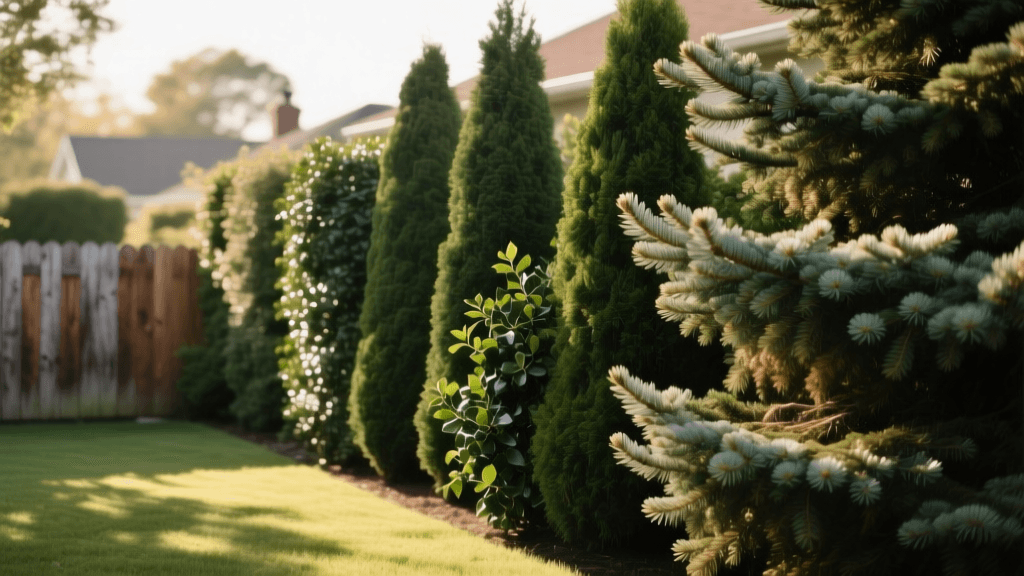
Designing a Living Privacy Screen With Evergreen Trees
Introduction to Living Privacy Screens
When homeowners seek seclusion from bustling streets, close neighbors, or unsightly views, the immediate instinct is often to erect a wooden or vinyl fence. However, a living privacy screen composed of strategically planted evergreen trees offers a superior alternative. Not only does a living fence provide year-round visual barriers, but it also enhances local biodiversity, dampens noise pollution, and increases overall property value. Designing and planning an evergreen privacy screen requires careful consideration of species selection, spatial layout, soil conditions, and long-term maintenance. This comprehensive guide will walk you through the exact steps to plan, design, and plant a thriving evergreen screen that will serve your landscape for decades.
Why Choose a Living Fence Over Hardscaping?
Before breaking ground, it is essential to understand the unique advantages that a living screen provides over traditional hardscape fencing:
- Ecological Benefits: Evergreens provide critical winter shelter for birds and beneficial insects, while their root systems prevent soil erosion and manage stormwater runoff.
- Microclimate Regulation: A dense row of evergreens acts as a windbreak, reducing winter heating costs by up to 15 percent when planted on the windward side of a home.
- Cost-Effectiveness Over Time: While a high-quality wood or composite fence can cost between $30 and $70 per linear foot to install, a living screen using 15-gallon trees typically costs between $15 and $25 per linear foot, factoring in soil amendments and basic drip irrigation.
- Aesthetic Softening: Trees add texture, depth, and seasonal interest to a yard, blending seamlessly into the surrounding landscape architecture.
Step 1: Site Assessment and Utility Planning
Proper planning begins with a thorough evaluation of your planting site. Evergreens require specific conditions to thrive, and planting them in unsuitable locations will lead to stunted growth, disease, and eventual failure.
Call Before You Dig
The very first step in your planning phase is to contact your local utility locating service (such as dialing 811 in the United States). This free service will mark underground gas, water, electrical, and communication lines. Planting large-rooted trees directly over utility lines can lead to catastrophic infrastructure damage and expensive removal costs down the road.
Soil and Sunlight Analysis
Most evergreen species require full sun (at least six hours of direct sunlight daily) to maintain dense, low-to-the-ground foliage. If your planting site is heavily shaded by existing structures or larger canopy trees, you will need to select shade-tolerant species like the Canadian Hemlock or Japanese Plum Yew, though these grow significantly slower. Conduct a percolation test to evaluate soil drainage. Dig a hole 12 inches deep and fill it with water. If it takes longer than 24 hours to drain, you have heavy clay soil and will need to amend the planting zone or select moisture-tolerant species like the Dawn Redwood or Bald Cypress.
Step 2: Selecting the Right Evergreen Species
Choosing the right tree is the most critical decision in your design. You must balance your desire for immediate privacy with the mature size of the tree, its growth rate, and its hardiness zone. Below is a comparison chart of some of the most popular evergreen species used for privacy screens in North America.
| Species | Mature Height | Growth Rate | Recommended Spacing | Avg Cost (15-Gallon) |
|---|---|---|---|---|
| Thuja 'Green Giant' | 40-60 ft | Fast (3-5 ft/yr) | 6-8 ft apart | $80 - $120 |
| Leyland Cypress | 50-70 ft | Fast (3-4 ft/yr) | 8-10 ft apart | $90 - $130 |
| Eastern Redcedar | 30-50 ft | Moderate (1-2 ft/yr) | 6-8 ft apart | $60 - $90 |
| Spartan Juniper | 15-20 ft | Moderate (1 ft/yr) | 4-5 ft apart | $70 - $100 |
| Emerald Green Arborvitae | 12-15 ft | Slow (6-9 in/yr) | 3-4 ft apart | $50 - $80 |
For rapid results in zones 5 through 8, the Thuja 'Green Giant' is widely considered the gold standard due to its impressive disease resistance and rapid growth rate. However, if you have a smaller suburban lot where a 60-foot tree would overwhelm the space, the Emerald Green Arborvitae or Spartan Juniper are much more appropriate, compact choices.
Step 3: Designing the Layout and Spacing
A common mistake homeowners make is planting trees too closely together in an attempt to create an instant wall. Overcrowding leads to intense competition for water and nutrients, poor air circulation, and the proliferation of fungal diseases. Furthermore, the inner branches will die back due to a lack of sunlight, leaving you with a screen that is only green on the outer edges.
Single Row vs. Staggered Double Row
If you have the space, a staggered double row is the superior design for both privacy and tree health. In a double row, you plant two parallel lines of trees, offsetting the second row so that each tree sits in the gap of the trees in the first row (a zig-zag or equilateral triangle pattern).
- Single Row Spacing: Plant trees at a distance equal to roughly 50% to 75% of their mature spread. For a Thuja Green Giant with a 12-foot spread, plant them 6 to 8 feet apart, center-to-center.
- Double Row Spacing: Space the trees 8 feet apart within each row, and space the two rows 6 feet apart from each other. This configuration allows branches to interlock, creating an impenetrable visual and acoustic barrier while giving roots ample room to expand.
- Setback Distances: Always plant your screen at least 4 to 6 feet away from property lines to prevent encroachment disputes with neighbors. Keep trees at least 10 feet away from paved driveways or foundations to prevent root-related structural damage.
Step 4: Proper Planting Techniques
Once your layout is marked with landscaping spray paint, it is time to dig. The methodology you use during planting will dictate the long-term survival of your privacy screen.
Digging the Hole
Never dig a hole deeper than the root ball. The root flare (the point where the trunk expands and meets the roots) must sit slightly above the surrounding grade. Planting too deeply is the number one cause of transplant mortality, as it suffocates the root system and invites trunk rot. The hole should be two to three times as wide as the nursery container to allow lateral roots to easily penetrate the native soil.
Soil Amendment and Backfilling
Contrary to popular belief, you should not fill the planting hole exclusively with rich potting soil or compost. Creating a 'bathtub' effect with loose, amended soil will cause water to pool in the hole and drown the roots. Instead, use the native soil you just dug out to backfill the hole. If your soil is exceptionally poor, you may mix in a maximum of 20% organic compost by volume. Incorporate a slow-release, phosphorus-heavy root starter fertilizer (such as a 3-10-10 NPK ratio) to encourage immediate root establishment rather than top growth.
Step 5: Post-Planting Care and Maintenance
A newly planted privacy screen requires vigilant care during its first two growing seasons. The goal is to establish a deep, drought-tolerant root system.
Watering Schedules
Newly planted evergreens require approximately 10 gallons of water per week for every inch of trunk caliper. During the heat of summer, this may require watering twice a week. The most efficient method is installing a temporary drip irrigation line with 1-gallon-per-hour emitters placed 12 inches from the trunk of each tree. This delivers moisture directly to the root zone while keeping the foliage dry, which prevents fungal blights.
The Mulch Donut
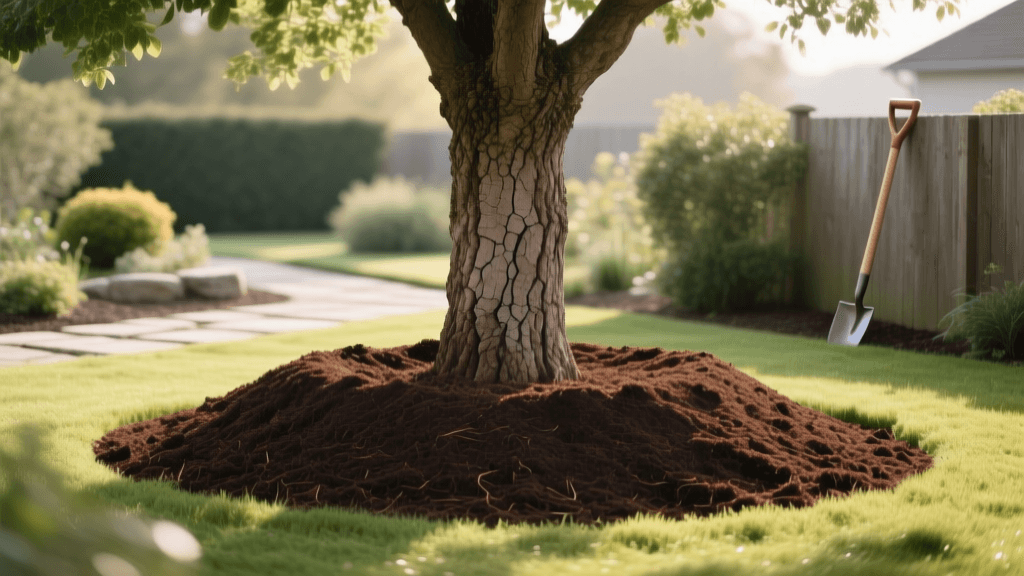
Apply a 2-to-3-inch layer of shredded hardwood mulch over the root zone to retain moisture and regulate soil temperature. Crucially, keep the mulch at least 3 inches away from the trunk of the tree. Piling mulch against the bark (a practice known as 'volcano mulching') traps moisture against the cambium layer, leading to rot and inviting burrowing pests like voles.
Strategic Pruning for Density
To ensure your screen remains thick from the ground up, you must prune the terminal leader (the very top tip) of the trees once they reach your desired height. This forces the tree to redirect its energy into lateral branching, resulting in a denser, more impenetrable hedge. Shear the sides lightly in early spring before new growth emerges to maintain a uniform shape, but never cut back into the 'dead zone' (the inner brown needles), as most evergreens will not regenerate foliage from old wood.
Expert Insights and Authoritative Guidelines
When designing windbreaks and privacy screens, it is vital to consider the porosity of the planting. According to the University of Florida IFAS Extension, a completely solid barrier (like a wooden fence) creates severe wind turbulence immediately behind the structure, which can damage nearby plants and structures. A living evergreen screen with roughly 50% density allows wind to filter through gently, slowing it down and extending the protective shelter zone for a distance up to 10 times the height of the trees. This makes a well-spaced, multi-row evergreen screen not just a visual asset, but a highly functional piece of landscape engineering that protects your entire property from harsh weather elements.
By taking the time to properly assess your site, select the correct species, calculate precise spacing, and adhere to rigorous planting standards, your living privacy screen will thrive. It will transform your outdoor space into a secluded, tranquil sanctuary that matures and improves with every passing year.