
Landscaping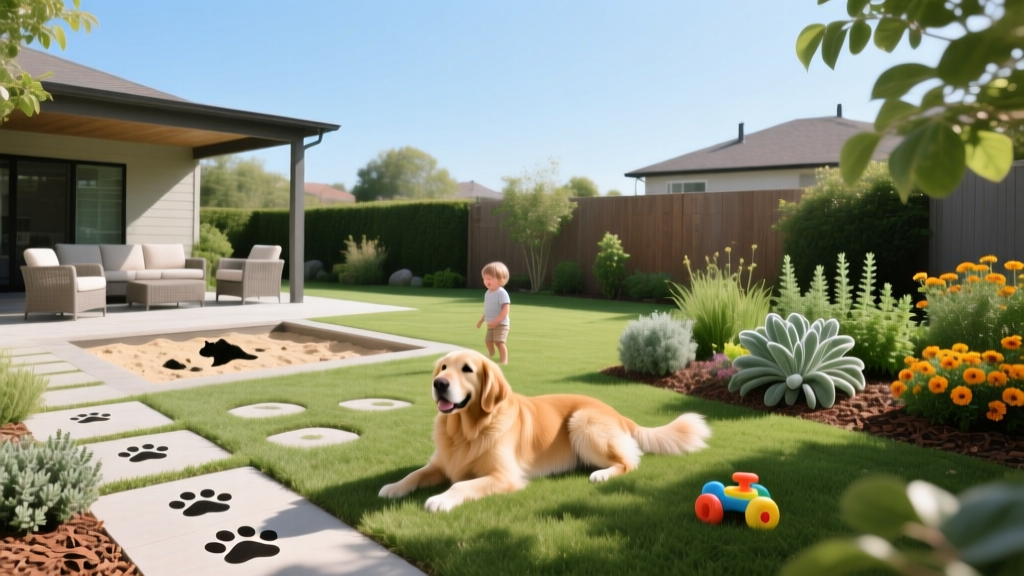
Design a Pet-Friendly Yard: Safe Plants and Durable Landscaping
Mike RodriguezPublished
Introduction to Pet and Family-Friendly Landscaping
Designing a landscape that caters to both active children and energetic dogs requires a strategic approach. A standard manicured lawn and delicate flower beds rarely survive the heavy foot traffic, digging, and biological wear-and-tear that pets and kids inflict. To create a thriving outdoor living space, homeowners must balance aesthetic appeal with extreme durability and biological safety. From selecting urine-resistant grass varieties to avoiding highly toxic ornamental shrubs, every landscaping decision impacts the health and safety of your family. This comprehensive guide explores actionable, pet-friendly landscaping strategies, including specific material recommendations, cost estimates, and structural modifications to ensure your yard remains a safe haven for everyone.
Choosing Durable, Pet-Safe Groundcovers
The lawn is the primary play area for most families and pets, making it the most vulnerable part of your landscape. Dog urine, which is high in nitrogen, frequently causes 'burn spots' on sensitive turfgrasses. Furthermore, heavy running and turning can quickly turn bare soil into a muddy mess. When selecting a groundcover, you must prioritize deep-rooted, traffic-tolerant species.
Top Turfgrass and Alternative Options
- Perennial Ryegrass: Known for its rapid germination (5 to 10 days) and exceptional wear tolerance, perennial ryegrass is ideal for high-traffic play areas. It recovers quickly from damage and handles dog urine better than Kentucky Bluegrass.
- Tall Fescue: This cool-season grass features deep root systems (up to 2 to 3 feet) that make it highly drought-tolerant and resistant to digging. It is an excellent choice for shaded areas where dogs frequently rest.
- Microclover Blends: According to the University of Minnesota Extension, alternative lawns like microclover are gaining massive popularity. Clover naturally fixes nitrogen in the soil, effectively masking the nitrogen spikes from dog urine that typically cause brown spots. Varieties like 'Pirouette' or 'Nano' white clover stay low to the ground and require minimal mowing.
- Artificial Pet Turf: For small yards or dedicated potty runs, high-quality artificial turf with a permeable polyurethane backing offers a zero-maintenance, mud-free solution. Ensure the infill uses antimicrobial Zeolite rather than crumb rubber to neutralize odors and keep the surface cool.
Groundcover Comparison Chart
| Groundcover Type | Durability (Paw Traffic) | Estimated Cost (per 1,000 sq ft) | Maintenance Level |
|---|---|---|---|
| Perennial Ryegrass | High | $40 - $60 (Seed) | Moderate (Weekly mowing) |
| Tall Fescue | High | $35 - $55 (Seed) | Moderate (Bi-weekly mowing) |
| Microclover Blend | Moderate to High | $50 - $80 (Seed) | Low (Occasional mowing) |
| Artificial Pet Turf | Very High | $3,000 - $5,000 (Installed) | Very Low (Rinsing/Brushing) |
| Creeping Thyme | Low to Moderate | $150 - $300 (Plugs) | Low (No mowing required) |
Selecting Non-Toxic Plants for Family Landscapes
Curiosity often leads dogs and toddlers to chew on leaves, dig up bulbs, or ingest fallen berries. Therefore, plant selection is a critical safety measure in family-friendly landscaping. Many popular ornamental plants contain cardiac glycosides, cycasin, or other compounds that can cause severe gastrointestinal distress, neurological damage, or even fatal organ failure in pets.
Plants to Strictly Avoid
Before purchasing any nursery stock, cross-reference your choices with the ASPCA's comprehensive list of toxic and non-toxic plants. Some of the most common landscaping plants that pose severe risks include:
- Sago Palm (Cycas revoluta): Highly toxic to dogs; ingestion of even a few seeds can cause fatal liver failure.
- Oleander (Nerium oleander): Contains cardiac glycosides. Every part of the plant is lethal if ingested.
- Azaleas and Rhododendrons: Can cause vomiting, diarrhea, and in severe cases, coma or death.
- Lily of the Valley (Convallaria majalis): Causes cardiac arrhythmias and seizures.
- Cocoa Bean Mulch: While not a plant, this popular landscaping mulch smells like chocolate and contains theobromine, which is highly toxic to dogs. Always substitute it with cedar or pine bark.
Safe, Pet-Friendly Alternatives
You do not have to sacrifice curb appeal for safety. Replace toxic shrubs with these robust, non-toxic alternatives:
- Swap Azaleas for Camellias (Camellia japonica): Camellias offer stunning, rose-like blooms in shades of pink, red, and white, and thrive in similar partial-shade conditions without the toxicity.
- Swap Sago Palms for Bamboo Palms (Chamaedorea seifrizii): Bamboo palms provide a lush, tropical aesthetic and are completely safe for pets to nibble on.
- Use Snapdragons (Antirrhinum majus) and Sunflowers (Helianthus annuus): Both are vibrant, sturdy, and entirely non-toxic, making them perfect for borders and cutting gardens.
Designing Functional, Paw-Safe Hardscaping
Hardscaping elements like patios, pathways, and retaining walls define the structure of your yard. However, material selection heavily influences pet safety, particularly regarding temperature and traction.
Dark-colored materials such as black slate, dark brick, or asphalt can easily exceed 140°F (60°C) in direct summer sunlight, which is hot enough to cause severe burns to a dog's paw pads within seconds. Instead, opt for light-colored, heat-reflective materials. Light limestone, buff-colored flagstone, or broom-finished concrete stay significantly cooler. If you prefer the look of dark stone, ensure the pathway is heavily shaded by a pergola or tree canopy.
Additionally, avoid loose, sharp gravel like crushed granite or jagged river rock on primary pathways, as these can become lodged in paw pads or cause lacerations. Smooth pea gravel or tightly fitted polymeric sand joints between pavers provide a much safer, more stable walking surface for both running dogs and toddlers in strollers.
Creating Designated Digging and Potty Zones
Rather than fighting natural canine instincts, the American Kennel Club (AKC) recommends accommodating them through strategic zoning. By providing designated areas for specific behaviors, you can protect your primary lawn and garden beds.
The Digging Sandbox
If you have a terrier or hound prone to excavating, build a dedicated digging pit. Construct a 4-foot by 4-foot frame using untreated cedar lumber (avoid pressure-treated wood containing copper azole, which can be harmful if chewed). Fill the box with a 50/50 mix of play sand and loose topsoil. Bury a few durable rubber toys just beneath the surface to encourage your dog to dig in this specific location, and reward them when they use it.
The Potty Zone
To prevent urine spots on your main lawn, train your dog to use a specific relief area. A 4-foot by 6-foot zone tucked behind a shed or along a side yard fence works perfectly.
Construction Steps:
- Excavate the area to a depth of 5 inches.
- Install a heavy-duty landscape fabric to prevent weed growth while allowing drainage.
- Add a 2-inch base layer of coarse sand or crushed gravel for drainage.
- Top with 3 inches of smooth pea gravel. (Avoid wood chips or mulch here, as they retain moisture and odors).
- Install a flush-mounted bender board or stone edging to separate the gravel from the surrounding lawn.
Secure Fencing and Boundary Solutions
A secure perimeter is non-negotiable for a family yard. Standard 4-foot fences are easily scaled by athletic breeds like Boxers, Huskies, and German Shepherds. For most active dogs, a 6-foot privacy fence is the minimum recommendation. Avoid chain-link fencing if possible, as the diamond pattern acts as a ladder for climbing dogs, and it offers no visual barrier to reduce territorial barking at passing pedestrians.
Preventing Escape Artists
For dogs that dig under fences, install an 'L-footer' barrier. Dig a trench 12 inches deep along the fence line, attach 1/2-inch galvanized hardware cloth to the bottom of the fence, bury it 12 inches down, and then bend the wire 12 inches outward into the yard (forming an 'L' shape). Cover the wire with soil and sod. When the dog attempts to dig at the fence line, they will hit the wire barrier and naturally stop.
Ensure gate latches are positioned at least 5 feet off the ground or utilize dual-action, self-latching mechanisms to prevent clever dogs (and wandering toddlers) from nudging them open.
Lawn Care and Chemical Safety
Maintaining a lush landscape often involves fertilizers, herbicides, and pesticides, many of which pose significant risks to children and pets playing on the grass. Synthetic weed-and-feed products frequently contain 2,4-D, a chemical linked to health concerns in both humans and animals.
Transition to organic, pet-safe lawn care practices. Use corn gluten meal as a natural pre-emergent weed preventer in early spring. For fertilization, rely on compost top-dressing or organic, slow-release fertilizers like Milorganite or Espoma Organic Lawn Food. If you must apply liquid treatments, strictly follow the label's re-entry time—typically waiting until the application is 100% dry, which usually takes 24 to 48 hours. Always store landscaping chemicals in a locked, ventilated shed completely inaccessible to curious noses and hands.
Conclusion
Creating a pet-friendly and family-safe yard does not mean sacrificing beautiful landscape design. By choosing resilient groundcovers like perennial ryegrass or microclover, strictly avoiding toxic ornamentals, installing heat-reflective hardscaping, and building designated activity zones, you can cultivate an outdoor space that is as functional as it is beautiful. Thoughtful planning ensures that your yard remains a safe, joyful retreat for every member of your family, whether they walk on two legs or four.

