Lawn Care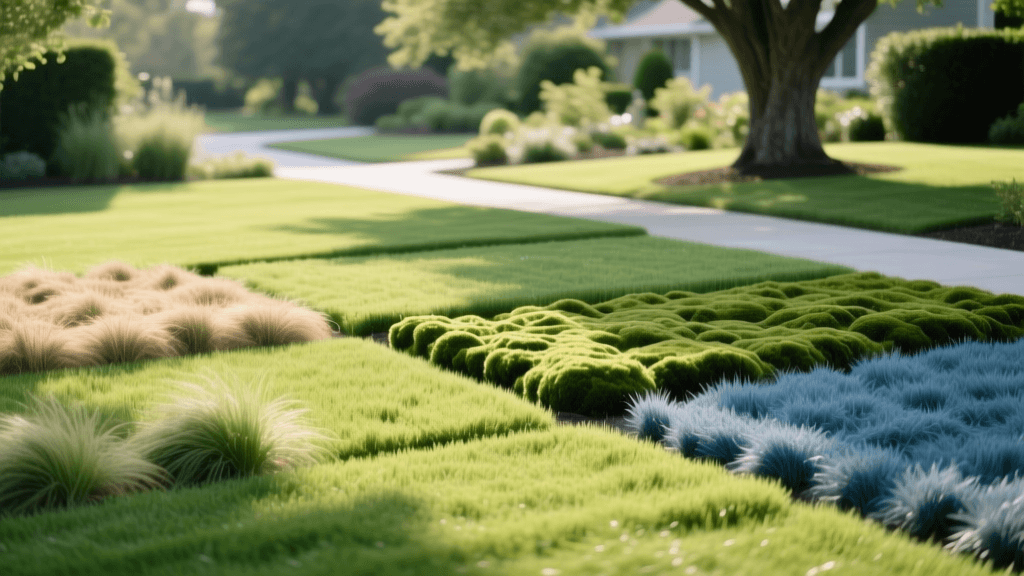
Designing a Multi-Zone Lawn: Matching Grass to Microclimates
The Shift from Monoculture to Multi-Zone Lawns
For decades, the standard approach to lawn care has been the monoculture: planting a single grass species across an entire property and forcing it to thrive regardless of the underlying conditions. While a uniform carpet of Kentucky Bluegrass or Bermudagrass looks pristine in magazines, it is an ecological mismatch for most residential properties. Yards are complex environments featuring varying degrees of sun exposure, soil compaction, drainage issues, and foot traffic. When you force a single grass type to endure all these variables, the result is often a high-maintenance yard that requires excessive water, chemical fertilizers, and constant reseeding.
Designing a multi-zone lawn is a strategic planning approach that matches specific turfgrass species to the unique microclimates of your yard. By embracing hydrozoning and ecological diversity, homeowners can drastically reduce water consumption, minimize fertilizer runoff, and create a more resilient landscape. This guide will walk you through the planning, design, and establishment of a multi-zone lawn tailored to your property's specific environmental conditions.
Step 1: Mapping Your Yard Microclimates and Traffic
Before purchasing seed or hiring a landscaping crew, you must understand the environmental variables at play on your property. A proper site analysis involves three critical assessments:
- Sun and Shade Mapping: Track the sun's movement across your yard over a full 12-hour period during the peak of summer. Note areas that receive full sun (8+ hours), partial sun (4-6 hours), and dense shade (under 4 hours). Remember that tree canopies will expand and shift shade patterns throughout the season.
- Soil Drainage and Compaction: Conduct a simple percolation test. Dig a hole 12 inches deep and 12 inches wide, fill it with water, and let it drain. Refill it and measure how long it takes to drain. Water dropping at a rate of 1 to 2 inches per hour indicates good drainage; slower rates suggest heavy clay, while faster rates indicate sandy soil.
- Traffic Analysis: Identify the 'highways' of your yard. Where do children play? Where does the dog run? High-traffic areas require rhizomatous grasses that can recover from physical damage, whereas low-traffic aesthetic zones can utilize more delicate, low-maintenance species.
Step 2: Selecting the Right Grass for Each Zone
Once your yard is mapped, divide it into distinct management zones. Here is how to select the appropriate turfgrass for the three most common residential microclimates.
Zone A: High-Traffic and Full Sun (The Play Area)
Areas that receive full sun and endure heavy foot traffic require aggressive, spreading grasses. For cool-season climates, a blend of Kentucky Bluegrass (KBG) and Perennial Ryegrass is ideal. KBG spreads via underground rhizomes, allowing it to self-repair damaged patches, while Ryegrass provides rapid germination and immediate erosion control. For warm-season climates, Bermudagrass or Zoysia are the undisputed champions of high-traffic, full-sun zones.
Actionable Advice: When seeding a cool-season Zone A, use a premium mix like 'Jonathan Green Black Beauty Ultra'. Apply at a rate of 2 to 3 pounds per 1,000 square feet. The optimal planting window is late summer to early fall (August 15 to September 15), when soil temperatures are between 50°F and 65°F, allowing roots to establish before winter dormancy.
Zone B: Dense Shade and Low Traffic (The Retreat)
Turfgrass naturally struggles in dense shade due to reduced photosynthesis. Kentucky Bluegrass will quickly thin out and succumb to fungal diseases in these areas. Instead, transition shaded zones to Fine Fescues (Chewings, Creeping Red, and Hard Fescues). Fine Fescues have needle-like blades that require significantly less sunlight and thrive in lower nitrogen environments.
Actionable Advice: Use a specialized shade blend such as 'Pennington Smart Seed Dense Shade'. Seed at a higher rate of 4 to 5 pounds per 1,000 square feet to ensure a thick canopy that chokes out shade-tolerant weeds like moss and ground ivy. Limit foot traffic in these zones, as fine fescues lack the rhizomatous recovery of KBG.
Zone C: The Eco-Buffer (Low Maintenance Edges)
The perimeters of your yard, steep slopes, or areas with poor soil are perfect candidates for eco-buffers. These zones are designed to be 'plant it and forget it.' Microclover and Buffalograss are excellent choices. Microclover fixes its own nitrogen from the atmosphere, eliminating the need for synthetic fertilizers, while staying low to the ground and resisting drought.
Actionable Advice: Overseed existing struggling edges with 'Outsidepride Miniclover' at a rate of 1 to 2 pounds per 1,000 square feet. Mix the tiny seeds with sand for even distribution. Microclover costs more upfront (approximately $25 to $30 per pound) but pays for itself within two seasons through eliminated fertilizer and water costs.
Multi-Zone Grass Planning Chart
| Zone Type | Recommended Species | Seed Rate (lbs/1k sq ft) | Ideal Mowing Height | Weekly Water Need |
|---|---|---|---|---|
| Full Sun / High Traffic | Kentucky Bluegrass & Perennial Ryegrass | 2.0 - 3.0 lbs | 2.5 - 3.5 inches | 1.0 - 1.5 inches |
| Dense Shade / Low Traffic | Creeping Red & Chewings Fescue | 4.0 - 5.0 lbs | 3.0 - 4.0 inches | 0.5 - 1.0 inches |
| Eco-Buffer / Poor Soil | Microclover & Buffalograss | 1.0 - 2.0 lbs (clover) | 2.0 inches or unmowed | 0.25 - 0.5 inches |
Step 3: Establishing Boundaries and Hardscape Transitions
A multi-zone lawn can look messy if the different grass types are allowed to bleed into one another. Kentucky Bluegrass is highly aggressive and will invade a Fine Fescue shade zone if left unchecked. To maintain a clean, intentional design, you must install physical boundaries.
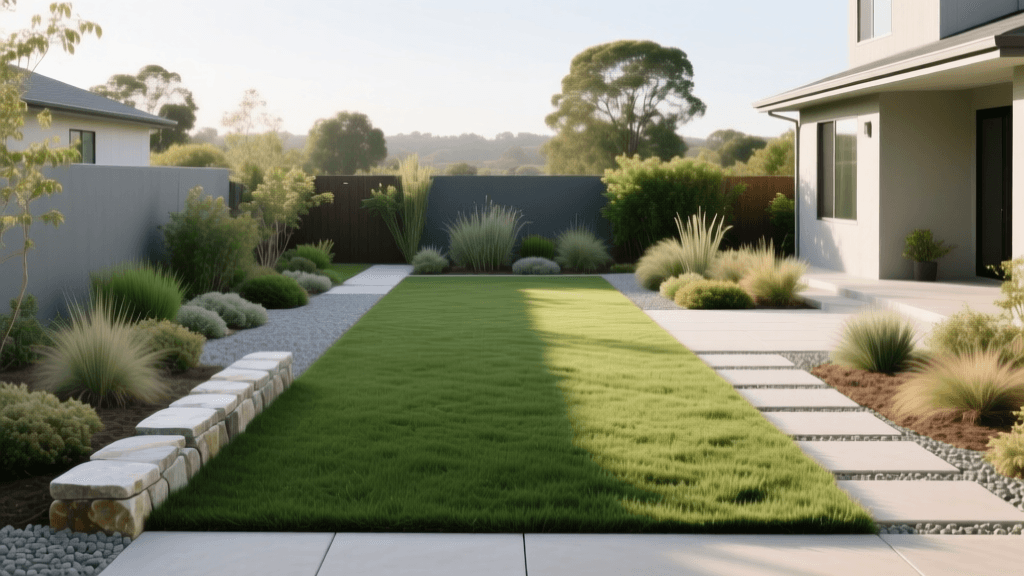
Use 4-inch to 6-inch galvanized steel edging or natural stone pavers to separate Zone A from Zone B. Steel edging is particularly effective because it cuts through the soil, severing the rhizomes of spreading grasses before they can cross the threshold. Additionally, consider installing 'mowing strips'—flush-laid brick or concrete borders along fences and garden beds. This allows you to run one wheel of your lawnmower on the hardscape, eliminating the need for string trimming and protecting tree roots from mower damage.
Step 4: Tailoring Lawn Care Routines by Zone
The true beauty of a multi-zone lawn is that it allows you to stop over-treating areas that do not need it. Your maintenance routine must be as diverse as your landscape design.
Irrigation and Hydrozoning
If you have an underground sprinkler system, reprogram your controller to reflect your new zones. This practice, known as hydrozoning, ensures that the drought-tolerant eco-buffers are not overwatered simply because the high-traffic sun zone needs moisture. Upgrade to a smart irrigation controller (such as the Rachio 3 or Hunter Hydrawise) that uses local weather data to automatically adjust watering schedules. Fine Fescues in Zone B require deep, infrequent watering to encourage deep root growth and prevent fungal issues, whereas KBG in Zone A may need more frequent, shorter cycles during peak summer heat.
Fertilization and Mowing
Never apply the same fertilizer blanket across a multi-zone lawn. Zone A (KBG/Ryegrass) requires 3 to 4 pounds of nitrogen per 1,000 square feet annually to maintain its dark green color and traffic recovery. Conversely, Zone B (Fine Fescues) requires only 1 to 2 pounds of nitrogen. Over-fertilizing shade grasses leads to rapid, weak top-growth that is highly susceptible to disease and drought stress.
Adjust your mower deck height based on the zone. Keep the sunny play areas at 2.5 to 3 inches to promote lateral spread, but raise the deck to 3.5 or 4 inches when entering the shade zones. Taller grass blades in the shade provide more surface area for the limited available sunlight to drive photosynthesis.
Expert Insights and Authoritative Citations
Transitioning to a multi-zone lawn is heavily supported by turfgrass scientists and environmental agencies. By aligning your landscape design with ecological realities, you contribute to broader water conservation efforts.
According to the University of California Agriculture and Natural Resources (UC ANR), 'Hydrozoning your landscape by grouping plants with similar water needs can reduce outdoor water usage by up to 30 percent while maintaining optimal plant health and reducing disease pressure.'
Furthermore, the University of Minnesota Extension highlights that attempting to grow Kentucky Bluegrass in heavy shade is the leading cause of turf failure in northern climates. Their turfgrass specialists strongly recommend Fine Fescues for shaded environments, noting that these species require significantly less inputs and provide superior environmental benefits when managed as low-traffic aesthetic zones.
By planning your lawn with intention, mapping your microclimates, and selecting the right biological tools for each specific zone, you transform your yard from a high-maintenance burden into a resilient, eco-friendly landscape that thrives on its own terms.