
Landscaping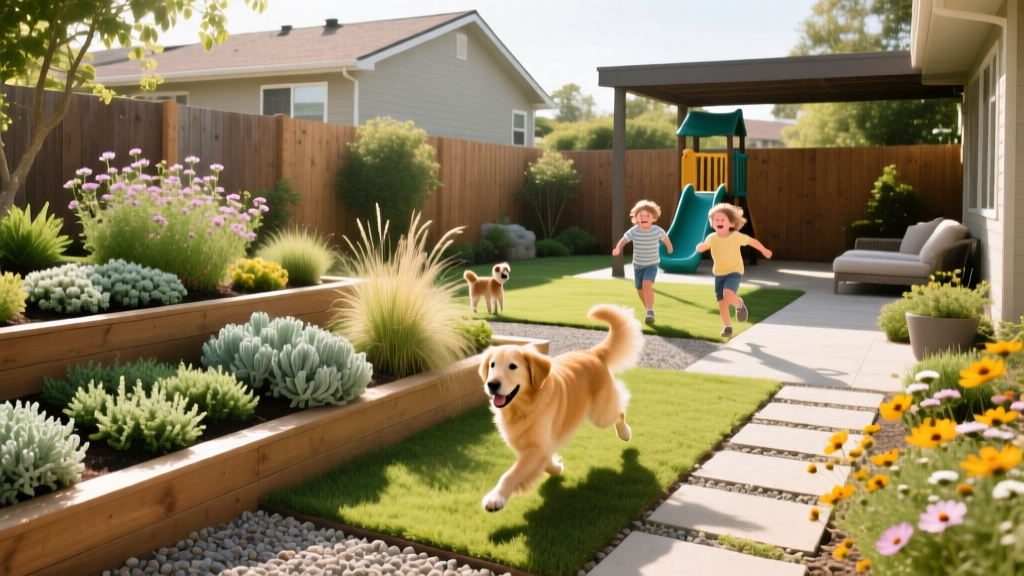
Pet-Friendly Landscaping: Safe Plants and Durable Yards
Robert HayesPublished
Creating a Yard That Welcomes Paws and Play
Designing a landscape that balances pristine curb appeal with the chaotic joy of active dogs and children is one of the most common challenges for homeowners. Traditional landscaping often prioritizes delicate ornamental beds and manicured turf that simply cannot withstand the heavy foot traffic, digging, and biological wear-and-tear caused by pets and playing kids. However, with strategic planning, you can create a resilient, beautiful, and safe outdoor living space. A truly pet-friendly landscape goes beyond simply picking up after your dog; it requires a fundamental rethinking of your yard's layout, plant selection, hardscaping materials, and maintenance routines. In this comprehensive guide, we will explore actionable landscaping strategies, complete with cost estimates and material specifications, to help you build a yard that thrives alongside your family and furry friends.
Strategic Zoning for Active Yards
The foundation of a successful family and pet-friendly yard is strategic zoning. Instead of treating your lawn as one monolithic space, divide it into distinct functional areas based on traffic and use. This approach minimizes wear and tear and keeps messes contained.
- Zone 1: The Activity Hub. This is your primary play area. Keep this space open, free of delicate garden beds, and surfaced with the most durable groundcover you can afford. This is where fetch happens and where kids run.
- Zone 2: The Relaxation Oasis. Typically located near the patio or deck, this area is for human relaxation. Use raised planter boxes (at least 24 inches high) to keep delicate plants out of the reach of digging paws and trampling feet.
- Zone 3: The Utility and Potty Area. Designate a specific, secluded corner of the yard for your dog's bathroom needs. Surface this area with materials that are easy to hose down, such as washed river rock or artificial turf designed for pets. Including a dedicated potty zone saves your primary lawn from nitrogen burns caused by dog urine.
Selecting Durable Groundcovers and Turf
Not all grasses are created equal when it comes to pet traffic. Cool-season grasses like Kentucky Bluegrass offer a lush look but struggle with heavy wear and urine spots. Warm-season grasses like Zoysia and Bermuda are incredibly resilient and self-repairing, making them ideal for active dogs. Alternatively, many homeowners are turning to microclover or hardscaping to eliminate turf maintenance altogether.
| Groundcover Type | Durability & Traffic Tolerance | Urine Resistance | Estimated Cost (per sq. ft.) | Maintenance Level |
|---|---|---|---|---|
| Tall Fescue (Cool-Season) | Moderate to High | Moderate (Deep roots help) | $0.15 - $0.30 (Seed) | Moderate (Requires overseeding) |
| Zoysia Grass (Warm-Season) | Very High (Dense mat) | High (Fast recovery) | $0.30 - $0.60 (Sod) | Low (Drought tolerant) |
| Microclover Blend | Moderate | Very High (Nitrogen fixing) | $0.25 - $0.40 (Seed) | Very Low (No fertilizer needed) |
| Washed River Rock | Extremely High | Immune (Hose off easily) | $0.50 - $1.00 (Bulk) | Low (Rake occasionally) |
Pro Tip for Urine Spots: Dog urine contains high levels of nitrogen and salts, which burn grass. If you must use traditional turf, train your dog to use a specific area. For existing spots, immediately dilute the area with a gallon of water to flush the salts below the root zone. Avoid commercial 'lawn repair' supplements that claim to alter your dog's urine pH, as these can cause severe urinary tract issues.
Navigating Plant Toxicity and Selection
When designing garden beds that border your pet's play areas, plant selection is a matter of safety, not just aesthetics. Many common ornamental plants are highly toxic to dogs and cats if ingested. Always cross-reference your garden plans with the ASPCA's Toxic and Non-Toxic Plants list before purchasing from the nursery.
Plants to Strictly Avoid
- Sago Palm: Extremely toxic; ingestion of even a few seeds can cause fatal liver failure in dogs.
- Oleander: Every part of this common privacy shrub is toxic and affects the heart.
- Lily of the Valley: Can cause cardiac arrhythmias and seizures.
- Azaleas and Rhododendrons: Contain grayanotoxins, which can lead to vomiting, diarrhea, and cardiovascular collapse.
Pet-Safe Alternatives for Landscaping
- For Privacy Screens: Swap toxic Oleander for Bamboo (ensure it's a clumping variety like Fargesia to prevent it from taking over the yard) or Arborvitae.
- For Colorful Borders: Use Snapdragons, Sunflowers, Zinnias, and Marigolds. These provide vibrant seasonal color and are completely safe if your dog decides to take a bite.
- For Shady Areas: Boston Ferns, Calatheas, and Hostas are excellent, non-toxic choices for understory planting.
Hardscaping and Paw-Safe Pathways
Hardscaping elements like patios, walkways, and retaining walls add structure to your landscape, but they must be chosen with pet comfort in mind. Dogs' paw pads are sensitive to extreme temperatures and sharp edges.
Avoid Dark, Heat-Absorbing Materials: Dark-colored brick, asphalt, and certain dark flagstones can reach temperatures exceeding 140°F on a sunny 90°F day, which is hot enough to cause severe thermal burns on a dog's paw pads. Opt for light-colored materials like travertine, light sandstone, or poured concrete with a light broom finish. These materials reflect sunlight and remain significantly cooler.
Mulch Alternatives: The American Kennel Club (AKC) strongly warns against using cocoa bean mulch in any area accessible to dogs. Cocoa bean mulch contains theobromine—the same compound that makes chocolate toxic to dogs—and its sweet scent can tempt pets to eat it. Instead, use shredded cedar or pine bark, which are safe, smell pleasant, and naturally repel fleas and ticks. For high-traffic pathways, consider using smooth, rounded river rock (1 to 2 inches in diameter) rather than sharp crushed gravel, which can lodge in paw pads or cause abrasions.
Fencing and Dig-Proofing Solutions
A secure perimeter is non-negotiable for a pet-friendly yard. Standard chain-link or wooden privacy fences often fail to contain determined diggers or agile jumpers. When installing or upgrading your fence, consider the following specifications:
- Height Requirements: For most medium to large breeds, a 6-foot wooden or vinyl privacy fence is the minimum standard to prevent jumping. For agile breeds like Huskies or German Shepherds, consider adding a 2-foot inward-facing extension at the top of the fence.
- Eliminating Sightlines: Dogs often bark and dig at fence lines because they see squirrels or neighboring dogs. Solid privacy fencing eliminates these visual triggers, significantly reducing stress and destructive behavior.
- The L-Footer Dig Guard: If your dog is a prolific digger, burying the fence deeper is often ineffective. Instead, install an 'L-footer'. This involves attaching a 24-inch wide strip of heavy-duty welded wire mesh (14-gauge or thicker) to the bottom of your existing fence. Bend the wire at a 90-degree angle so it extends 24 inches outward into the yard, resting just on top of the soil (you can cover it with a thin layer of topsoil or mulch). When the dog attempts to dig near the fence, they hit the wire mesh and stop. This solution costs approximately $2 to $4 per linear foot and is highly effective.
Eco-Friendly and Pet-Safe Maintenance
The products you use to maintain your landscape directly impact the health of your pets and children, who spend hours in direct contact with the grass and soil. According to the Environmental Protection Agency (EPA), pets are highly susceptible to pesticide and herbicide exposure because they absorb chemicals through their paw pads and ingest them while grooming.
Ditch the Synthetic Chemicals: Avoid traditional synthetic weed-and-feed products, which often contain 2,4-D, a herbicide linked to canine lymphoma. Instead, transition to organic lawn care. Use corn gluten meal in early spring as a natural pre-emergent weed preventer. For fertilization, rely on compost top-dressing (applying a 1/4-inch layer of screened compost in the fall) and slow-release organic fertilizers like Espoma Organic All-Season Lawn Food.
Flea and Tick Yard Control: Rather than broadcasting toxic chemical sprays across your entire lawn, focus on perimeter control. Keep grass trimmed short, remove leaf litter, and create a 3-foot border of dry wood chips or gravel between your lawn and any wooded areas to deter ticks. If treatment is necessary, use pet-safe, essential-oil-based yard sprays or introduce beneficial nematodes (Steinernema feltiae), which are microscopic organisms that naturally destroy flea larvae in the soil without harming pets, plants, or humans.
Conclusion
Achieving a beautiful, pet-friendly landscape requires a shift in perspective. By implementing strategic zoning, selecting resilient and non-toxic flora, utilizing paw-safe hardscaping, and committing to organic maintenance practices, you can create an outdoor sanctuary that serves the entire family. The initial investment in durable materials and secure fencing will pay dividends in reduced maintenance, lower veterinary bills, and countless hours of safe outdoor play.

