Gardening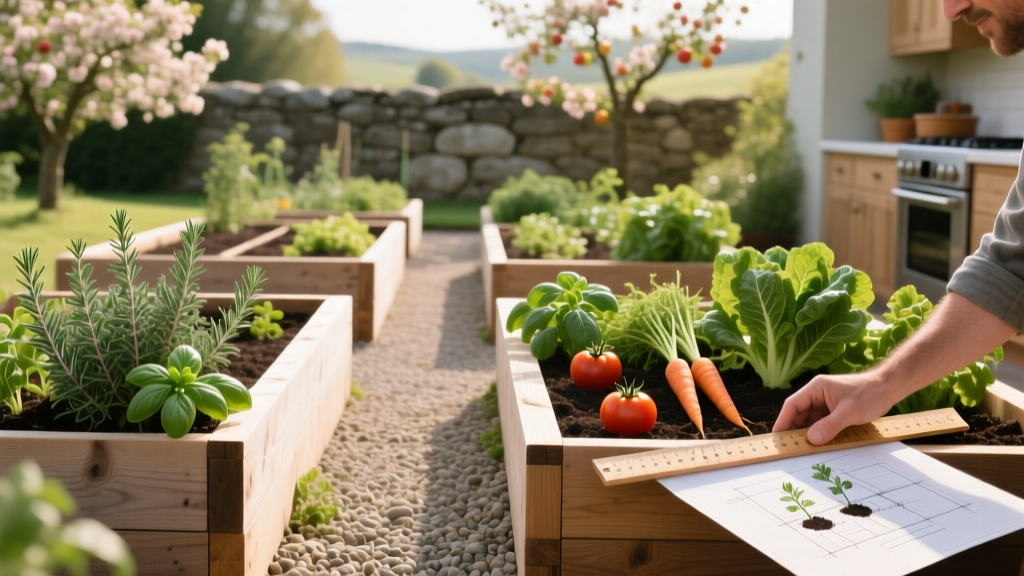
Designing a Potager: Kitchen Garden Layouts and Plans
Robert HayesPublished
The Philosophy of the Potager
The French potager is a masterclass in merging aesthetics with agronomy. Unlike traditional row-cropping vegetable gardens that prioritize sheer caloric yield over visual appeal, a potager (pronounced po-tah-zhay) is a kitchen garden designed to be both highly productive and visually stunning. The concept revolves around integrating vegetables, herbs, edible flowers, and fruit trees into intricate, geometric patterns. When planning your garden design, the goal is to create a space that serves as a focal point of your landscape rather than a utilitarian afterthought hidden in the back corner of the yard.
Designing a successful kitchen garden requires careful forethought regarding sunlight, hardscaping materials, spatial geometry, and plant companionship. Whether you are working with a sprawling suburban backyard or a compact urban courtyard, the principles of potager design can be scaled to fit your environment while providing a continuous harvest of fresh, organic produce.
Site Selection and Sun Mapping
Before drawing a single line on your landscape blueprint, you must evaluate your site's microclimates. Most fruiting vegetables—such as tomatoes, peppers, eggplants, and squash—require a minimum of six to eight hours of direct sunlight per day. Root vegetables and leafy greens can tolerate partial shade, but a true potager thrives in full sun. Spend a weekend tracking the sun's movement across your yard, noting how shadows from trees, fences, and your home shift throughout the day.
According to the Royal Horticultural Society (RHS), orienting your garden beds on a North-South axis is generally ideal for maximizing sun exposure and ensuring even light distribution across the plants. If your garden must be placed on a slope, consider terracing the beds to prevent soil erosion and water runoff, ensuring that your carefully planned soil mix stays exactly where you put it.
Structuring the Layout: Beds and Pathways
The foundation of any kitchen garden is the raised bed. Raised beds offer superior drainage, warmer soil temperatures in the spring, and a defined canvas for your geometric designs. When determining measurements, the golden rule of raised bed width is four feet. This allows the average gardener to reach the center of the bed from either side without stepping on the soil, which prevents compaction and maintains the fluffy, aerated structure necessary for robust root growth.
Pathways are just as critical as the beds themselves. They dictate the flow of traffic and the accessibility of your garden. Main thoroughfares should be at least three to four feet wide to accommodate a wheelbarrow and allow two people to walk side-by-side. Secondary paths between individual beds can be narrowed to two feet. Penn State Extension notes in their raised bed gardening guide that using durable pathway materials like crushed gravel, decomposed granite, or wood chips not only suppresses weeds but also creates a clean, formal contrast against the lush greenery of the beds.
Raised Bed Materials: A Comparison Guide
Selecting the right material for your raised beds impacts the garden's longevity, budget, and overall aesthetic. Below is a comparison of the most popular materials used in modern potager construction.
| Material | Lifespan | Est. Cost (4x8 ft) | Pros | Cons |
|---|---|---|---|---|
| Western Red Cedar | 10-15 years | $150 - $250 | Natural rot resistance, beautiful silver aging | Higher upfront cost, requires eventual replacement |
| Galvanized Steel | 20+ years | $100 - $180 | Modern farmhouse look, very durable, easy assembly | Can heat soil in extreme summer climates |
| Concrete Blocks | Lifetime | $60 - $90 | Cheap, modular, retains heat well for early spring | Heavy, can alter soil pH slightly over time |
| Composite Wood | 25+ years | $250 - $350 | Zero maintenance, won't rot, splinter, or fade | Expensive, can warp if not properly braced |
Designing the Planting Plan: Aesthetics Meets Agronomy
A true potager is as much about visual harmony as it is about culinary utility. To achieve this, designers rely on the interplay of color, texture, and height. Plant towering, structural elements like indeterminate tomatoes, pole beans, and trellised cucumbers on the northern edge of your beds so they do not cast shade on shorter crops. Use mounding herbs like rosemary and lavender at the corners of beds to soften the hard geometric lines of the wood or steel.
Integrating companion planting is essential for both pest management and visual appeal. The Old Farmer's Almanac recommends pairing tall crops with low-growing ground covers to maximize space and deter pests. For example, interplanting vibrant orange and yellow marigolds alongside your tomatoes not only provides a stunning color contrast but also releases compounds that deter root-knot nematodes. Similarly, underplanting brassicas with fragrant creeping thyme helps mask the scent of the vegetables from cabbage moths while providing a lush, green carpet that retains soil moisture.
Design Tip: Incorporate edible flowers like nasturtiums, borage, and calendula into your garden borders. They act as trap crops for aphids, attract vital pollinators, and provide brilliant splashes of color that can be harvested for summer salads.
Classic Potager Layout Styles
When drafting your blueprint, consider adopting one of these time-tested layout styles:
- The Four-Square Layout: Four equal-sized rectangular beds arranged around a central focal point, such as a birdbath, a dwarf fruit tree, or a sundial. This is the most traditional and easiest layout to manage for beginners.
- The Parterre Design: Highly formal, symmetrical beds separated by low-growing boxwood hedges or brick pathways. This style requires meticulous maintenance and frequent pruning but offers unparalleled elegance.
- The Keyhole Garden: Circular or horseshoe-shaped beds with a narrow pathway cut into the center. This maximizes growing space while minimizing the footprint of pathways, making it ideal for smaller urban lots.
Soil Preparation: The Engine of Your Garden
The most beautiful layout will fail if the soil cannot support vigorous plant growth. Because raised beds are a closed system, you must fill them with a premium, well-draining medium. Avoid using native topsoil from your yard, as it is often too dense and may harbor soil-borne pathogens or weed seeds.
For a standard 4x8 foot bed that is 12 inches deep, you will need approximately 32 cubic feet of soil. Many potager designers swear by a modified 'Mel's Mix' (popularized by Square Foot Gardening), which consists of equal parts coarse vermiculite, peat moss (or sustainable coconut coir), and blended organic compost. This mixture is incredibly light, holds moisture beautifully, and provides a slow-release buffet of nutrients. Expect to spend between $120 and $180 per bed on high-quality bulk soil blends or bagged ingredients.
Budgeting and Seasonal Timing
Planning a budget requires looking beyond the initial construction costs. While building the beds and filling them with soil represents the bulk of your first-year expenses (typically $400 to $800 for a modest four-bed setup), you must also budget for hardscaping pathways, trellises, irrigation systems, and annual inputs like compost and seeds. Drip irrigation is highly recommended for kitchen gardens; it keeps water off the foliage of disease-prone plants like tomatoes and squash, and can be hooked up to a simple battery-operated timer for automated watering.
Timing is everything. The best time to design and plan your potager is during the winter months when the garden is dormant. Order your seeds, sketch your layouts on graph paper, and purchase your lumber or steel in late winter. Aim to construct the beds and lay down pathways in early spring, about four to six weeks before your last expected frost date, allowing the soil to settle and warm up before you transplant your first seedlings.
Conclusion
Designing a potager is a rewarding exercise in landscape architecture and horticultural science. By carefully selecting your site, investing in durable raised bed materials, and planning a planting scheme that marries beauty with botanical function, you can create a kitchen garden that feeds both the body and the soul. Take the time to measure, plan, and sketch your vision, and your garden will provide a stunning, productive sanctuary for years to come.
