Gardening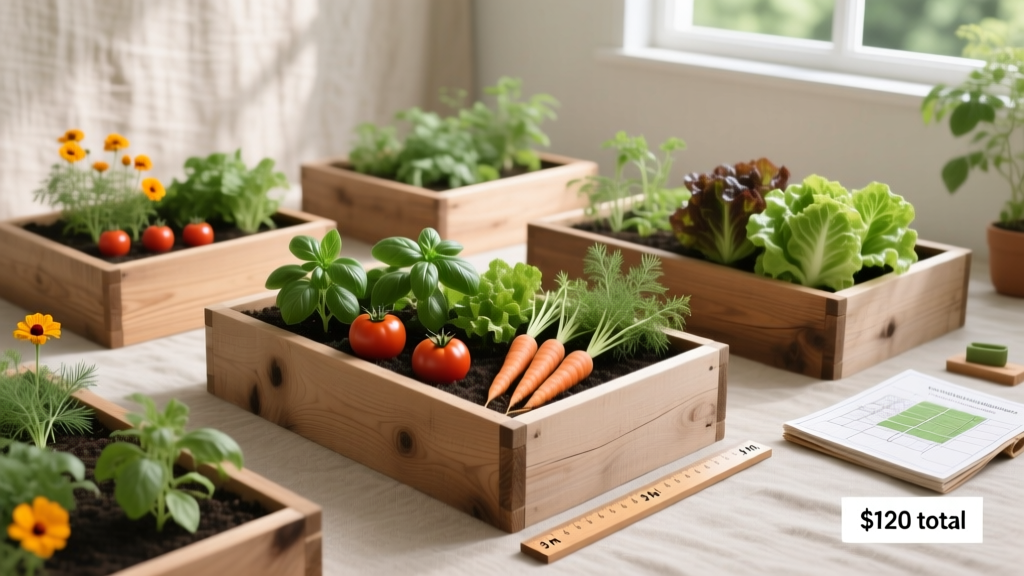
Designing a Productive Raised Bed Kitchen Garden Layout
Robert HayesPublished
The Potager Concept: Blending Beauty and Function
Designing a raised bed kitchen garden, often referred to as a potager, is an exercise in balancing aesthetic appeal with high-yield agricultural function. Unlike traditional row crops hidden away in the backyard, a kitchen garden is meant to be a focal point of your landscape, providing fresh herbs, vegetables, and edible flowers just steps from your back door. Proper planning is the difference between a chaotic, weed-ridden plot and a highly productive, visually stunning outdoor room. According to the Oregon State University Extension, raised beds not only improve drainage and extend the growing season by warming up faster in the spring, but they also allow for complete control over soil structure, which is vital for intensive planting layouts.
Strategic Sizing and Ergonomic Placement
Before purchasing materials or turning a single shovel of dirt, you must map out the dimensions and placement of your beds. The golden rule of raised bed design is accessibility. A bed should never be wider than 4 feet if it is accessible from both sides, or 2 feet if it is placed against a wall or fence. This ensures that you can comfortably reach the center of the bed to harvest, weed, and prune without ever stepping on the soil, which prevents compaction and maintains the fluffy, aerated structure necessary for healthy root growth.
Length is largely dictated by your available space and the standard lengths of lumber, with 8-foot and 12-foot beds being the most cost-effective. However, do not neglect the pathways. Pathways between beds should be at least 2 feet wide for walking, but ideally 3 feet wide if you plan to navigate a wheelbarrow or garden cart through the space. For a cohesive design, lay down heavy-duty landscape fabric and top it with 2 to 3 inches of arborist woodchips or decomposed granite to suppress weeds and reduce mud splashback onto your crops during heavy rains.
Material Selection and Cost Breakdown
The materials you choose for your raised beds will dictate the longevity, safety, and visual style of your garden. It is crucial to avoid older pressure-treated woods that contain Chromated Copper Arsenate (CCA). As noted by the University of Maine Extension, modern untreated cedar, composite materials, and galvanized steel are the safest and most durable options for growing edibles. Below is a comparison chart to help you budget and plan your hardscaping phase.
| Material | Estimated Cost (4x8 Bed) | Expected Lifespan | Design Pros & Cons |
|---|---|---|---|
| Untreated Cedar | $150 - $250 | 10 - 15 Years | Beautiful natural grain that weathers to silver-gray; naturally rot-resistant but can warp if not braced. |
| Composite Boards | $300 - $450 | 25+ Years | Zero maintenance and no splinters; higher upfront cost and can bow outward under heavy soil pressure. |
| Galvanized Steel | $120 - $200 | 20 - 30 Years | Modern farmhouse aesthetic and very easy to assemble; soil edges can dry out faster in extreme heat. |
| Concrete Blocks | $60 - $100 | Lifetime | Extremely durable and modular; utilitarian look and the concrete can slightly raise soil pH over time. |
Soil Volume and the Perfect Potager Mix
Calculating soil volume is a critical planning step that saves you from the frustration of under-ordering. The formula is simple: Length (ft) x Width (ft) x Depth (ft) = Cubic Feet. For a standard 4x8 bed that is 12 inches (1 foot) deep, you will need exactly 32 cubic feet of soil. If you are growing deep-rooted crops like parsnips or daikon radishes, consider building beds that are 18 to 24 inches deep, which will double your soil requirements.
Pro-Tip: Do not fill raised beds with native topsoil or cheap "garden soil" bags from the hardware store. Topsoil is too heavy and will compact in a raised environment. Instead, use a modified Mel's Mix: 40% high-quality screened compost, 30% coconut coir (a sustainable alternative to peat moss), and 30% coarse vermiculite for moisture retention and aeration.
Interior Layout: Rows vs. Intensive Blocks
Traditional farming relies on long rows spaced apart for tractor access, but a kitchen garden demands intensive spatial planning. By utilizing block planting and square-foot gardening principles, you can increase your yield per square foot by up to 400%. The Cornell University Home Gardening Guide recommends intensive spacing to create a living mulch effect, where the canopy of the plants shades the soil, retaining moisture and suppressing weed germination.
Vertical Zoning and Trellising
When designing your layout, always place your tallest plants and trellises on the north or west side of the bed. This prevents them from casting shadows over your sun-loving, lower-growing crops as the sun moves across the southern sky. Install heavy-duty cattle panels or wooden obelisks at the back of the bed for vining crops like indeterminate tomatoes, pole beans, and cucumbers. This vertical planning draws the eye upward, creating a lush, architectural backdrop for the garden.
Companion Planting Strategies for Kitchen Gardens
A well-designed potager incorporates companion planting not just for pest management, but for visual harmony. Interplanting flowers and herbs among your vegetables breaks up the monotony of green foliage and attracts vital pollinators. Here is a structured list of highly effective companion planting pairings for your layout:
- Tomatoes and Basil: A classic culinary pairing. Basil is believed to improve the flavor of tomatoes while its strong scent masks the tomato plant from hornworms.
- Carrots and Alliums (Onions/Leeks): The pungent odor of onions and leeks confuses the carrot rust fly, while the carrots help break up the soil for the alliums.
- Brassicas and Nasturtiums: Nasturtiums act as a trap crop, drawing aphids and cabbage white butterflies away from your valuable broccoli, kale, and cauliflower.
- Cucumbers and Borage: Borage attracts massive amounts of pollinators and predatory wasps that keep cucumber beetle populations in check.
- Leafy Greens and Alyssum: Sweet alyssum provides a low-growing, fragrant ground cover that retains soil moisture and attracts hoverflies, whose larvae devour aphids.
Seasonal Succession Planning
The final element of kitchen garden design is temporal planning—mapping out what goes where and when. A productive layout accounts for succession planting. For example, a 4x4 block dedicated to early spring radishes and spinach will be harvested and cleared by late May. Your design plan should already have the soil amendments and transplants ready to drop into that exact space, such as heat-loving bush beans or summer squash. By sketching your garden on graph paper or using digital planning software, you can visualize the rotation of heavy feeders (like tomatoes and corn) with light feeders (like root vegetables) and nitrogen-fixers (like peas and beans) to maintain soil fertility year after year without relying heavily on synthetic fertilizers.
Conclusion
Designing a raised bed kitchen garden is a deeply rewarding project that pays dividends in both fresh produce and landscape beauty. By carefully considering ergonomics, investing in safe, long-lasting materials, formulating the perfect soil structure, and utilizing intensive companion planting layouts, you will create a resilient and abundant potager. Take the time to measure your space, map the sun, and plan your succession cycles, and your kitchen garden will become the vibrant, productive heart of your home landscape.
