Lawn Care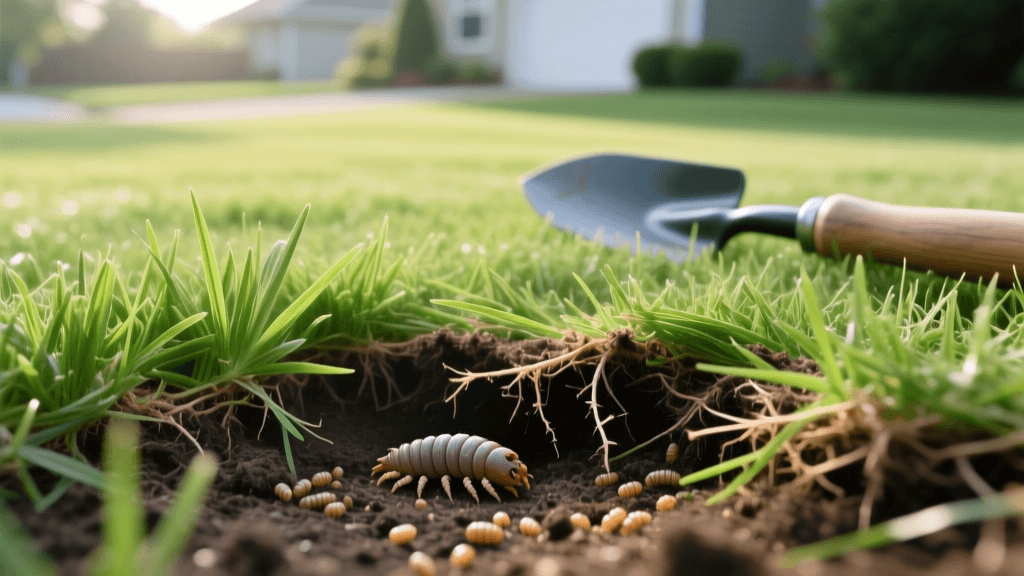
How to Diagnose and Eliminate Lawn Grub Infestations
The Hidden Enemy: Understanding Lawn Grubs
If your once-lush lawn is suddenly developing irregular brown patches that peel back like loose carpet, you are likely dealing with a grub infestation. Grubs are the C-shaped, creamy-white larval stage of various scarab beetles, including Japanese beetles, June bugs, European chafers, and Asiatic garden beetles. These subterranean pests feed voraciously on the grassroots of both cool-season and warm-season turfgrasses, severing the plant's ability to absorb water and nutrients.
Diagnosing and treating a grub problem requires precise timing, an understanding of the pest's life cycle, and the strategic application of targeted control methods. In this comprehensive guide, we will walk you through the exact steps to diagnose a grub infestation, evaluate the severity of the damage, and implement effective curative and preventative solutions to save your turf.
The Life Cycle of Lawn Grubs
To effectively diagnose and treat grubs, you must understand their life cycle, which dictates when they are most vulnerable to treatments.
- Late Spring to Early Summer: Adult beetles emerge from the soil, mate, and lay eggs in the top few inches of your lawn's soil.
- Mid-Summer (July to August): The eggs hatch into young grubs (first and second instars). These young grubs are small, highly active, and feeding aggressively on grassroots near the soil surface.
- Fall (September to October): Grubs mature into their third instar. They are now large, plump, and cause the most visible damage to lawns as they consume massive amounts of root tissue before winter.
- Late Fall to Winter: As soil temperatures drop, grubs burrow deep below the frost line to overwinter and enter a state of dormancy.
- Early Spring: Grubs migrate back to the surface, feed briefly on remaining roots, and pupate into adult beetles, starting the cycle anew.
Step 1: Diagnosing a Grub Infestation
Before purchasing any chemical or organic treatments, you must confirm that grubs are the actual culprits behind your lawn's decline. Drought stress, fungal diseases, and dog urine can mimic grub damage. Use these three diagnostic methods to confirm their presence.
The Tug Test
Grubs destroy the root system that anchors your grass to the soil. Walk to the edge of a brown, damaged patch where it meets the green, healthy grass. Grab a handful of the turf and pull gently. If the grass lifts and rolls back easily like a freshly laid carpet or a loose rug, the roots have been severed, strongly indicating a grub infestation.
The Soap Flush Test
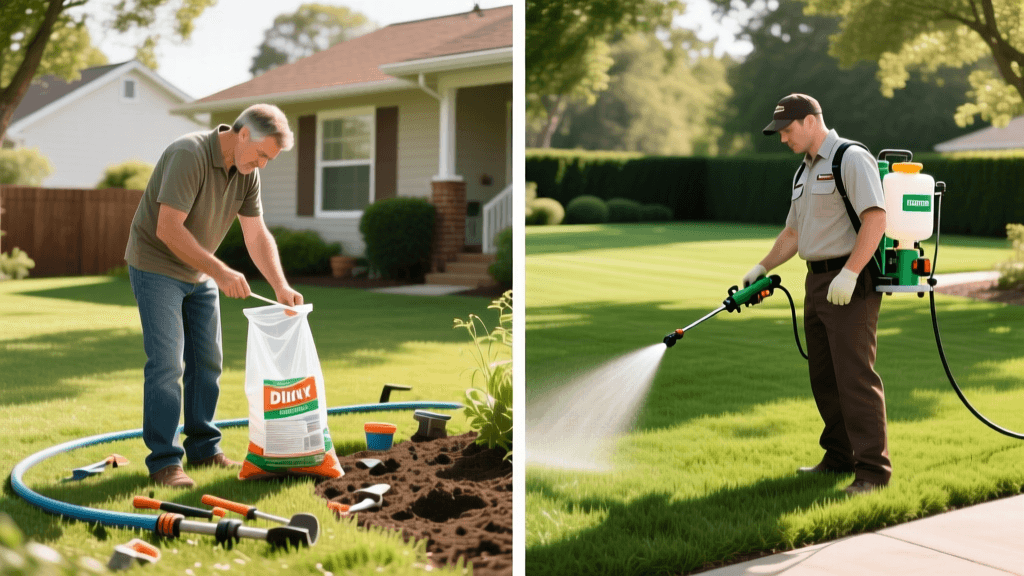
To quantify the infestation and see the pests with your own eyes, perform a soap flush. Mix two tablespoons of liquid dish soap (like Dawn) into one gallon of water. Mark off a one-square-yard area at the edge of the damaged turf. Pour the soapy solution evenly over the marked area and wait for 10 minutes. The soap irritates the grubs' skin, forcing them to the surface. Count the number of grubs that emerge.
Animal Digging Indicators
Secondary damage is often the first sign of a grub problem. Animals such as raccoons, skunks, crows, and moles view grubs as a high-protein delicacy. If you notice your lawn has been torn up, flipped over, or peppered with small conical holes and shallow divots, wildlife are likely digging for a grub buffet beneath your turf.
Step 2: Assessing the Damage Threshold
Finding one or two grubs in your lawn is entirely normal and does not warrant a chemical application. Lawns have a natural tolerance for minor pest pressure. You must determine if the population has crossed the economic and aesthetic injury threshold.
According to Purdue University Extension, a healthy, well-maintained lawn can typically tolerate up to 5 to 10 grubs per square foot without showing significant damage. Treatment is only economically and environmentally justified when populations exceed this threshold, or if the lawn is already stressed by drought, shade, or heavy foot traffic.
If your soap flush test reveals fewer than 5 grubs per square foot, focus on proper lawn maintenance, deep watering, and fertilization to help the grass outgrow the minor root loss. If you find 10 or more grubs per square foot, immediate intervention is required.
Step 3: Solutions and Treatments
Grub control products are broadly categorized into two types: preventative and curative. Choosing the right product depends entirely on the time of year and the life stage of the grubs.
Preventative Treatments (Spring and Early Summer)
Preventatives are designed to kill grubs when they are in their early, most vulnerable stages (first and second instars) shortly after they hatch. These products have a long residual effect in the soil.
- Chlorantraniliprole (e.g., Scotts GrubEx, Acelepryn): This is the safest and most environmentally friendly preventative option. It is highly targeted and poses minimal risk to pollinators and earthworms. Apply between April and May. It takes 60 to 90 days to fully activate in the soil, so early application is critical.
- Imidacloprid (e.g., Bayer Advanced Merit): A systemic neonicotinoid that is highly effective against young grubs. Apply in June or early July just before the eggs hatch. Because it is a systemic chemical that can be absorbed by flowering weeds, you must mow the lawn and remove all flowering weeds (like clover and dandelions) before application to protect bees and other pollinators.
Curative Treatments (Late Summer and Fall)
If you missed the preventative window and your lawn is actively dying in August or September, you need a fast-acting curative insecticide. These products target the larger, third-instar grubs that are causing severe damage.
- Trichlorfon (e.g., Dylox, Bayer Advanced 24-Hour Grub Killer): This is a rapid-kill contact and stomach poison. It breaks down quickly in the soil (usually within a few days to a week) but will kill active grubs within 24 hours of ingestion or contact. Apply in late August through September. It requires immediate and heavy watering (at least 0.5 inches) to wash the chemical into the root zone where the grubs are feeding.
Organic and Biological Control
For homeowners seeking an organic curative solution, Beneficial Nematodes (specifically the Heterorhabditis bacteriophora species) are microscopic worms that hunt and parasitize grubs in the soil. They must be applied in late summer when the soil is warm and moist. Nematodes are highly sensitive to UV light and desiccation, so they must be applied in the evening and watered in immediately. While highly effective over time, they may take a few weeks to reduce the grub population compared to chemical curatives.
Preventative vs. Curative Grub Control Comparison
| Treatment Type | Active Ingredient | Application Timing | Target Grub Stage | Est. Cost (per 5,000 sq ft) | Watering Requirement |
|---|---|---|---|---|---|
| Preventative | Chlorantraniliprole | April - May | Early Instar / Hatching | $15 - $22 | Light watering to activate |
| Preventative | Imidacloprid | June - Early July | Early Instar / Hatching | $18 - $25 | 0.25 inches to move into soil |
| Curative | Trichlorfon (Dylox) | August - September | Late Instar / Mature | $20 - $30 | 0.5 inches immediately after |
| Biological | H. bacteriophora Nematodes | August - September | Late Instar / Mature | $30 - $45 | Heavy watering before and after |
Step 4: Lawn Recovery and Aftercare
Killing the grubs is only half the battle. Once the pests are eliminated, you must repair the destroyed root system and bare patches to prevent weeds from invading the weakened turf.
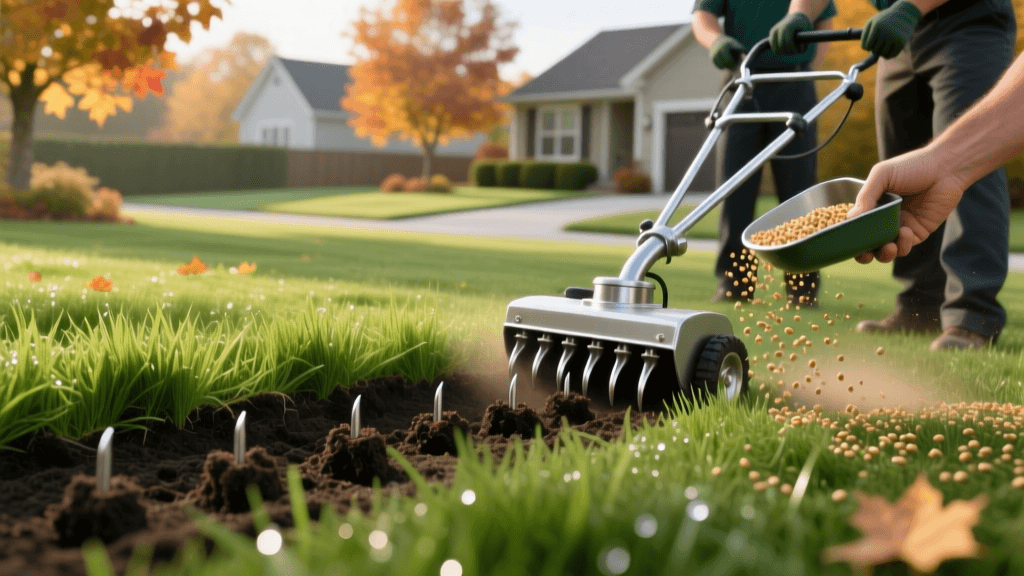
- Remove Dead Turf: Use a heavy-duty thatch rake or a mechanical dethatcher to aggressively rake out the dead, rootless grass and debris. This exposes the soil for new seed contact.
- Core Aeration: If the soil is compacted, rent a core aerator to pull 2-to-3-inch plugs of soil from the lawn. This relieves compaction, improves water infiltration, and creates ideal pockets for grass seed.
- Overseed: Choose a grass seed blend that is naturally more resistant to grub damage. Tall Fescue and Perennial Ryegrass have deeper, more robust root systems and contain natural endophytes that deter surface-feeding insects. Apply seed at a rate of 3 to 5 pounds per 1,000 square feet for cool-season lawns.
- Apply Starter Fertilizer: Use a high-phosphorus starter fertilizer (such as Scotts Turf Builder Starter Food with an N-P-K ratio of 24-25-4) to promote rapid root development in the new seedlings.
- Maintain Moisture: Water the newly seeded areas lightly two to three times a day for the first 14 days to keep the top inch of soil consistently moist until germination occurs.
Environmental and Pollinator Precautions
When using systemic insecticides like Imidacloprid, environmental stewardship is paramount. Neonicotinoids can be absorbed by the roots of broadleaf weeds and expressed in their nectar and pollen, which is highly toxic to bees. Always mow your lawn thoroughly and remove any flowering weeds (such as white clover, dandelions, and creeping charlie) immediately before applying systemic grub controls. Furthermore, never apply insecticides near bodies of water, storm drains, or on hard surfaces like driveways where runoff can contaminate local waterways.
Conclusion
A grub infestation can turn a pristine lawn into a patchy, destroyed landscape in a matter of weeks. By utilizing the tug test and soap flush to accurately diagnose the problem, respecting the economic injury threshold, and applying the correct preventative or curative treatment at the precise time of year, you can eradicate these hidden pests. Follow up with aggressive overseeding and proper cultural practices, and your lawn will recover its dense, green vitality for the seasons to come.