
Landscaping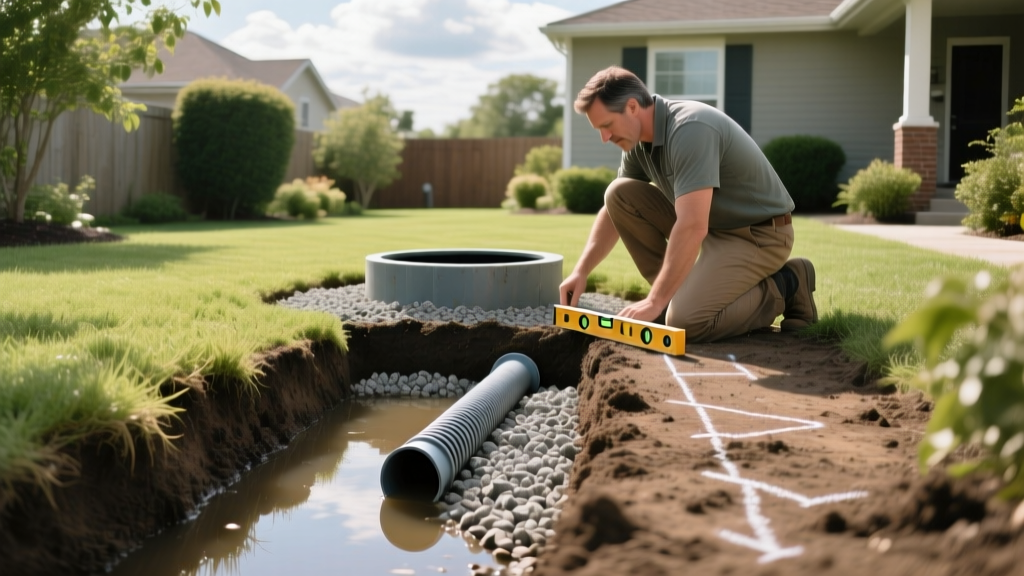
How to Diagnose and Fix Common Yard Drainage Problems
Emily WatsonPublished
Understanding the Impact of Poor Yard Drainage
Water is the ultimate enemy of a home's foundation and a thriving landscape. When heavy rains leave your yard looking more like a swamp than a suburban oasis, you are facing a critical drainage problem. Standing water not only drowns your turfgrass, promotes fungal lawn diseases, and invites mosquito breeding, but it also poses a severe threat to your home's structural integrity. According to the American Society of Home Inspectors, water intrusion and poor exterior drainage account for the vast majority of foundation settling and basement moisture issues in residential properties. Diagnosing the exact cause of your yard's poor drainage is the crucial first step before spending thousands of dollars on hardscaping or landscaping fixes. In this comprehensive guide, we will explore how to identify the root causes of standing water and implement actionable, cost-effective solutions to reclaim your outdoor space.
Step 1: Diagnosing the Root Cause of Standing Water
Before you purchase a single shovel, pipe, or bag of gravel, you must understand why water is pooling in your landscape. Water always follows the path of least resistance. If it is accumulating in your yard, it is due to gravity, soil composition, or physical obstructions.
Soil Compaction and Heavy Clay Content
Heavy clay soils and compacted earth act like a concrete bowl. Because clay particles are incredibly fine, they pack tightly together, leaving virtually no pore space for water to infiltrate. If your yard features heavy clay or has been compacted by heavy construction equipment, water will simply sit on the surface until it evaporates.
Improper Grading and Slope Issues
The ground should always slope away from your home's foundation. Over time, soil settles, mulch decomposes, and previous landscaping projects can alter the natural grade, creating low spots where water collects. Furthermore, if your downspouts dump water directly at the base of your foundation instead of extending at least six feet away, you are artificially creating a drainage disaster.
The Percolation Test: Measure Your Soil's Absorption
To quantify your drainage problem, perform a simple percolation test. Dig a hole approximately 12 inches deep and 6 inches wide in the problem area. Fill the hole with water and let it drain completely to saturate the surrounding soil. Refill the hole to the top, and insert a ruler. Measure the water level drop over the course of one hour. If the water drops less than 1 inch per hour, you have severe drainage issues that will require mechanical intervention, such as a French drain or dry well, rather than simple soil amendments.
Step 2: Implementing Targeted Drainage Solutions
Once you have diagnosed the source of the problem, you can select the most appropriate landscaping solution. Here are the most effective, industry-standard methods for resolving yard drainage issues.
Solution A: Regrading and Slope Correction
If water is pooling near your foundation, regrading is non-negotiable. The industry standard is a 5% slope away from the house, which translates to a 6-inch drop over the first 10 feet. To achieve this, you may need to hire a landscaping crew with a skid steer to cut and fill soil, or you can rent a mini-excavator for a weekend DIY project. Ensure you use a laser level or transit level to verify the slope before laying new sod or hydroseed. Expect to pay between $1,500 and $3,000 for professional regrading, depending on the yard size and soil accessibility.
Solution B: Installing a Traditional French Drain
For yards with high water tables or persistent subsurface water, a French drain is the gold standard. This system intercepts groundwater and redirects it to a safe discharge point, such as a storm drain or daylighted slope.
- Trenching: Dig a trench 12 inches deep and 6 inches wide, maintaining a 1% downward slope toward the discharge point.
- Fabric Lining: Line the trench with non-woven geotextile fabric to prevent soil from clogging the system.
- Gravel Base: Add a 2-inch base layer of 3/4-inch washed crushed stone.
- Piping: Lay perforated PVC or corrugated drainage pipe (such as the NDS Pro Series) with the holes facing downward.
- Covering: Cover the pipe with more washed gravel, fold the excess fabric over the top, and cover with topsoil and sod.
A professional French drain installation typically costs between $20 and $30 per linear foot.
Solution C: Constructing a Dry Well
When you have a localized pooling issue or a downspout that cannot be routed to the street, a dry well is an excellent subsurface solution. A dry well is essentially a large underground chamber that collects stormwater and allows it to slowly percolate into the surrounding subsoil. The NDS Flo-Well 50-gallon system is a highly rated, easy-to-install modular option. Bury the dry well at the lowest point of your yard, connect your downspout extensions or French drain pipes to the inlet, and surround the unit with washed gravel to create a massive underground reservoir. Installation costs generally range from $300 to $500 for a residential setup.
Solution D: Establishing a Rain Garden
For a sustainable, eco-friendly approach, consider transforming a low-lying, boggy area into a rain garden. A rain garden is a shallow depression (typically 6 to 8 inches deep) planted with deep-rooted native species that thrive in both wet and dry conditions. Plants like Swamp Milkweed, Blue Flag Iris, and Red Twig Dogwood act as natural bio-filters, absorbing excess water and filtering out pollutants before they reach the water table. According to Penn State Extension, a well-designed rain garden can absorb up to 30% more water than a conventional lawn patch while providing vital habitat for local pollinators.
Drainage Solutions Comparison Chart
Use the following table to compare the most common landscaping drainage solutions based on your specific yard conditions, budget, and DIY capabilities.
| Solution | Best Application | Estimated Cost | DIY Difficulty | Time Required |
|---|---|---|---|---|
| Regrading | Foundation protection, slope correction | $1,500 - $3,000 | High (Requires heavy equipment) | 1 - 3 Days |
| French Drain | Subsurface water, high water tables | $20 - $30 / linear ft. | Medium (Trenching required) | 1 - 2 Days |
| Dry Well | Downspout routing, localized pooling | $300 - $500 | Medium (Deep excavation) | 1 Day |
| Rain Garden | Eco-friendly filtration, shallow pooling | $200 - $800 | Low (Planting and digging) | 1 - 2 Days |
Authoritative Guidelines and Citations
When planning major landscape drainage alterations, it is vital to consult local and academic resources to ensure your methods align with environmental best practices and local building codes. The University of Minnesota Extension provides extensive, peer-reviewed guidelines on yard and garden drainage, emphasizing the importance of preserving natural water tables and avoiding the illegal diversion of stormwater onto neighboring properties or into municipal sanitary sewers. Furthermore, the Penn State Extension offers comprehensive planting lists and soil amendment ratios for constructing residential rain gardens, ensuring that your sustainable landscaping efforts result in functional, long-lasting water management systems.
Maintenance and Long-Term Care
Installing a drainage system is only half the battle; maintaining it ensures your yard remains dry for decades. Clean your gutters and downspout grates at least twice a year to prevent debris from clogging your French drains or dry wells. Annually, aerate compacted lawn areas using a core aerator to improve surface water infiltration. If you have an exposed French drain catch basin, flush the system with a high-pressure garden hose every spring to clear out silt and fine sediment that may have bypassed the geotextile fabric. By staying proactive with your landscape maintenance, you protect your home's foundation and ensure your outdoor living spaces remain usable year-round.

