Lawn Care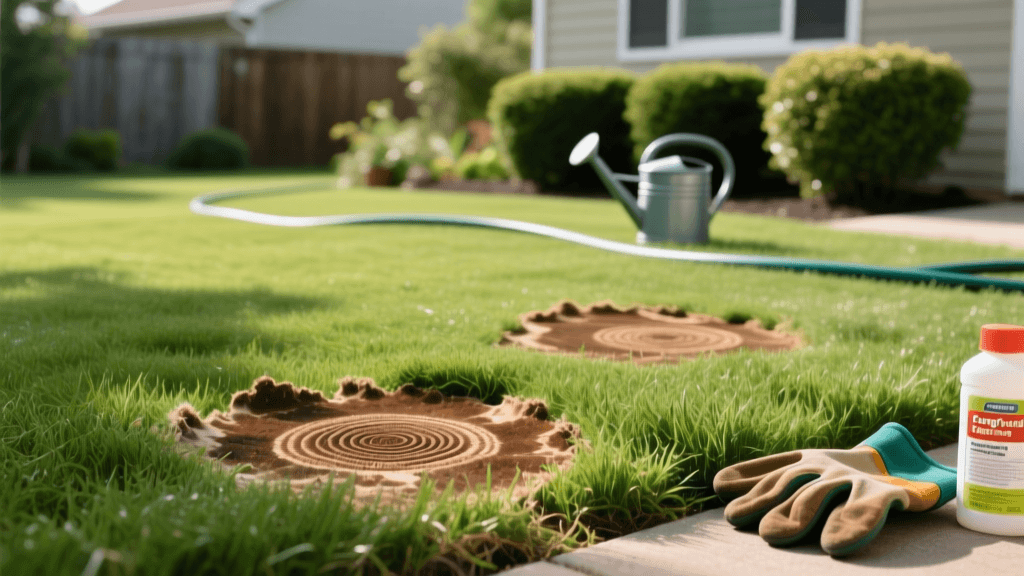
How to Diagnose and Treat Brown Patch Lawn Fungus
Understanding Brown Patch Disease in Turfgrass
Brown patch is one of the most destructive and common fungal diseases affecting both cool-season and warm-season turfgrasses. Caused by the soil-borne pathogen Rhizoctonia solani, this disease thrives in hot, humid conditions and can rapidly decimate a once-lush lawn in a matter of days. For homeowners and lawn care professionals alike, understanding the environmental triggers, accurately diagnosing the symptoms, and implementing a robust treatment plan are critical steps in saving your turf. This comprehensive guide will walk you through the exact problem diagnosis and solutions required to eradicate brown patch and restore your lawn to peak health.
The pathogen Rhizoctonia solani is virtually present in all soils. However, it only becomes an active problem when specific environmental conditions align. Typically, brown patch emerges when daytime temperatures consistently exceed 80°F (26°C) and nighttime temperatures remain above 65°F (18°C), coupled with high humidity or prolonged leaf wetness. Over-fertilization with quick-release nitrogen, excessive thatch buildup, and poor soil drainage further exacerbate the problem, creating a perfect breeding ground for fungal spores to germinate and infect the grass blades.
Diagnosing Brown Patch: Signs and Symptoms
Accurate diagnosis is the cornerstone of effective lawn disease management. Misidentifying brown patch as drought stress or insect damage can lead to improper treatments, such as increasing irrigation, which will only accelerate the fungal growth. To confirm the presence of Rhizoctonia solani, inspect your lawn early in the morning when dew is still present on the grass blades.
- Circular Patches: The most obvious symptom is the appearance of circular or irregularly shaped brown, dead patches ranging from a few inches to several feet in diameter.
- Smoke Rings: In the early morning hours, you may observe a dark, purplish, or grayish 'smoke ring' bordering the outer edge of the dying patch. This indicates active fungal mycelium spreading outward.
- Leaf Lesions: Upon close inspection of individual grass blades, you will notice tan or light brown lesions with dark brown, distinct margins. The lesions often girdle the leaf blade, causing the tip to die back while the base remains green.
- Root Intactness: Unlike grub damage or Pythium blight, brown patch primarily attacks the foliage and leaf sheaths. The root system generally remains intact, meaning the turf will not easily pull up from the soil like a loose carpet.
Differential Diagnosis: Brown Patch vs. Other Lawn Issues
Because many lawn problems present as brown or yellowing patches, it is vital to differentiate brown patch from other common turfgrass issues. The table below outlines the key differences between brown patch, dollar spot, and grub damage to ensure you select the correct treatment protocol.
| Diagnostic Feature | Brown Patch (Rhizoctonia) | Dollar Spot (Clarireedia) | White Grub Damage |
|---|---|---|---|
| Patch Size & Shape | 1 to 3+ feet, circular | 1 to 6 inches, silver-dollar sized | Irregular, sprawling brown areas |
| Leaf Lesions | Tan with dark borders | Bleached, hourglass-shaped bands | None (foliage remains intact initially) |
| Root Health | Roots remain firmly anchored | Roots remain firmly anchored | Roots severed; turf rolls back like carpet |
| Primary Trigger | High heat, high humidity, excess N | Moderate temps, low soil moisture | Late summer/early fall grub feeding |
| Best Chemical Control | Azoxystrobin, Flutolanil | Propiconazole, Myclobutanil | Imidacloprid, Chlorantraniliprole |
Grass Type Susceptibility
Not all grasses react to Rhizoctonia solani in the same way. Knowing your specific turfgrass type can help you anticipate outbreaks and adjust your maintenance routines accordingly.
- Tall Fescue: Highly susceptible during the peak heat and humidity of mid-summer. Brown patch is the number one cause of summer Tall Fescue decline.
- St. Augustinegrass: Very prone to brown patch in coastal, high-humidity regions, especially when thatch levels exceed half an inch.
- Bermudagrass: Generally more resistant, but highly susceptible in the spring and fall transition periods when growth is slow and moisture is high.
- Kentucky Bluegrass: Moderately susceptible; usually suffers less severe damage compared to Tall Fescue or perennial ryegrass.
Step-by-Step Chemical Treatments and Fungicide Application
When cultural practices are not enough to halt an active outbreak, chemical intervention is necessary. Fungicides are most effective when applied at the very first sign of disease or as a preventative measure just before the onset of favorable weather conditions.
Selecting the Right Fungicide
For brown patch, systemic fungicides belonging to the strobilurin and carboxamide chemical classes are highly effective. Look for products containing Azoxystrobin or Flutolanil as the active ingredient. A widely available and highly rated consumer product is Scotts DiseaseEx Lawn Fungicide (Azoxystrobin), while professional-grade options include Heritage SC or Syngenta Headway.
Application Rates and Costs
Proper calibration of your spreader or sprayer is critical. Under-applying will fail to control the disease and promote fungal resistance, while over-applying is wasteful and environmentally harmful.
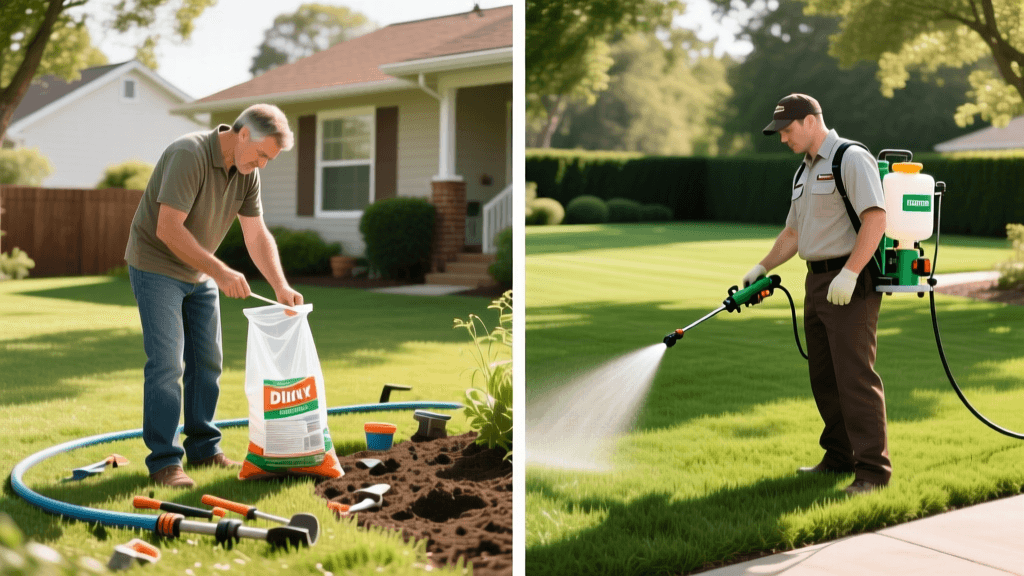
- Granular Applications: Apply at a rate of 2 to 4 lbs per 1,000 square feet, depending on the severity of the outbreak. A standard 10 lb bag of Azoxystrobin-based granular fungicide costs between $15 and $25 and covers approximately 5,000 square feet.
- Liquid Applications: Mix 0.15 to 0.20 fluid ounces of concentrated liquid Azoxystrobin per 1,000 square feet. Ensure you use enough water (typically 1 to 2 gallons per 1,000 sq ft) to carry the chemical down to the base of the plant and into the thatch layer.
The Importance of Fungicide Rotation
Fungi can rapidly develop resistance to chemical controls. To prevent this, you must rotate fungicides with different FRAC (Fungicide Resistance Action Committee) codes. If you use a strobilurin (FRAC Code 11) for your first application, switch to a DMI fungicide like Propiconazole (FRAC Code 3) for your follow-up application 21 to 28 days later.
Cultural and Environmental Solutions for Long-Term Control
Chemical treatments are only a temporary bandage if the underlying environmental conditions are not corrected. Implementing the following cultural practices will naturally suppress Rhizoctonia solani and build a more resilient lawn.
Strategic Irrigation Practices
Leaf wetness duration is the primary driver of brown patch spore germination. Never water your lawn in the late afternoon or evening, as this leaves the grass wet overnight. Instead, irrigate deeply and infrequently between 4:00 AM and 8:00 AM. This allows the sun and morning breeze to quickly dry the grass blades while still providing the 1 to 1.5 inches of weekly water your turf requires.
Nitrogen Management
Excessive, lush, dark-green growth is highly susceptible to fungal penetration. Avoid applying high-nitrogen, quick-release fertilizers during the peak summer months (June through August) for cool-season grasses. If you must fertilize, use slow-release, organic nitrogen sources at a reduced rate of no more than 0.5 lbs of nitrogen per 1,000 square feet.
Thatch Reduction and Core Aeration
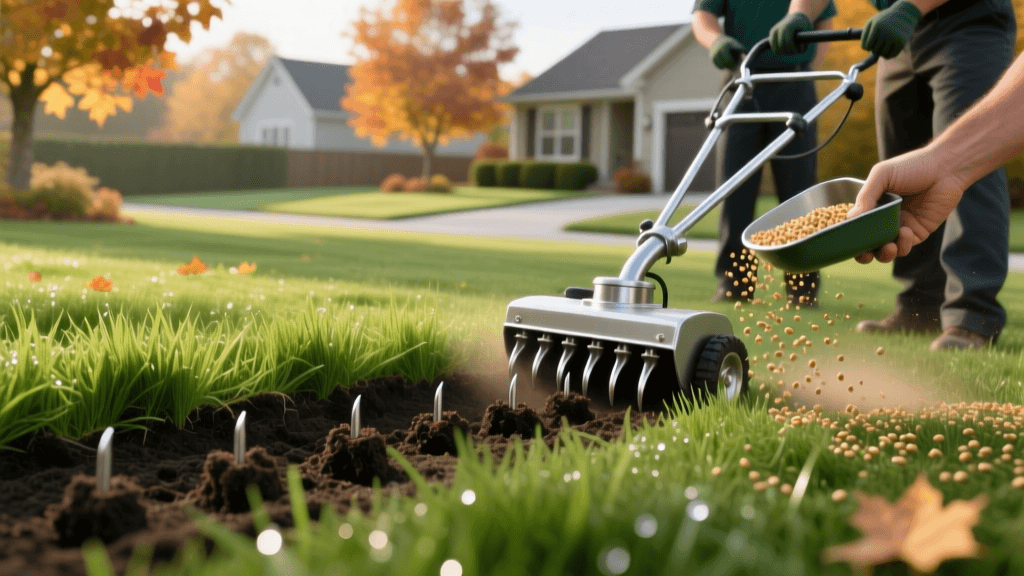
A thatch layer thicker than 0.5 inches acts like a sponge, holding moisture against the grass crowns and harboring fungal spores. Rent a vertical mower (dethatcher) or perform annual core aeration in the early fall (for cool-season grasses) or late spring (for warm-season grasses) to break up compacted soil, improve drainage, and accelerate thatch decomposition.
Mower Hygiene
Fungal spores easily hitch a ride on your lawn mower wheels and cutting deck, spreading the disease from infected patches to healthy turf. After mowing a lawn with active brown patch, thoroughly wash the mower deck and spray it with a 10% bleach solution or a commercial disinfectant like Lysol to kill lingering spores. Additionally, never mow when the grass is wet, and maintain a sharp mower blade to create clean cuts that heal faster.
Post-Treatment Recovery and Overseeding
Once the brown patch is controlled and the fungus is dormant, you must repair the damaged areas. For cool-season lawns, early fall is the ideal time to overseed. Rake out the dead, matted grass in the affected patches to expose the soil. Apply a high-quality, disease-resistant Tall Fescue or Kentucky Bluegrass seed blend at a rate of 5 to 8 lbs per 1,000 square feet. Topdress with a thin layer of compost to retain seed moisture and provide natural, slow-release nutrients. Keep the newly seeded areas consistently moist until germination occurs, then transition back to a deep, infrequent watering schedule.
Expert Insights and Authoritative Citations
Managing turfgrass diseases requires ongoing education and adherence to scientifically backed methodologies. According to the North Carolina State University TurfPath extension program, 'Rhizoctonia solani is a persistent soil-borne pathogen that cannot be entirely eradicated from the landscape; therefore, integrated pest management (IPM) focusing on host resistance and environmental modification is the most sustainable approach to long-term lawn care.' Furthermore, the Penn State Extension emphasizes that accurate diagnosis via laboratory submission is recommended for chronic, recurring lawn issues that fail to respond to standard cultural and chemical interventions. By combining vigilant monitoring, precise chemical applications, and rigorous cultural practices, you can successfully diagnose, treat, and prevent brown patch from ruining your landscape.