Lawn Care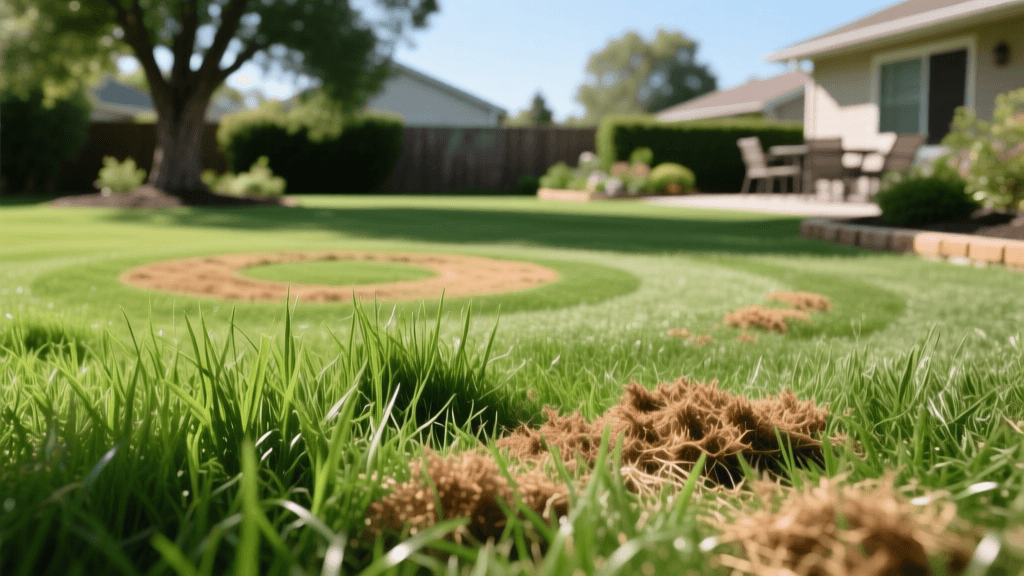
How to Diagnose and Treat Brown Patch in Tall Fescue Lawns
Introduction to Brown Patch in Tall Fescue
Tall fescue is widely celebrated for its deep root system, drought tolerance, and year-round green color in transitional climate zones. However, when the sweltering heat and oppressive humidity of mid-summer arrive, tall fescue lawns become highly susceptible to one of the most destructive turfgrass diseases: Brown Patch. Caused by the fungal pathogen Rhizoctonia solani, brown patch can decimate a pristine lawn in a matter of days if left untreated. For homeowners and lawn care professionals alike, understanding how to accurately diagnose this disease and implement a targeted, multi-faceted treatment plan is critical for saving the turf. In this comprehensive guide, we will break down the exact symptoms, environmental triggers, cultural adjustments, and chemical interventions required to defeat brown patch and restore your tall fescue lawn to its former glory.
Identifying the Problem: Symptoms of Brown Patch
The first step in solving any lawn care problem is accurate diagnosis. Brown patch typically manifests during periods of high heat and humidity, often appearing overnight. Misdiagnosing brown patch as drought stress or insect damage can lead to improper watering or unnecessary pesticide applications, which will only exacerbate the fungal growth. To properly diagnose Rhizoctonia solani, you must look closely at both the macro and micro symptoms present in your turf.
Macro Symptoms (Lawn-Level)
- Circular Patches: The disease initially appears as small, circular, or irregularly shaped patches of blighted grass ranging from 6 inches to several feet in diameter.
- Smoke Rings: In the early morning, when dew is present, you may observe a dark, purplish, or grayish 'smoke ring' at the outer margin of the patch. This ring indicates active fungal mycelium growth and is a definitive sign of brown patch.
- Thinning and Matting: As the disease progresses, the grass within the patch will thin out, mat down, and turn a distinct light brown or straw color.
Micro Symptoms (Blade-Level)
If you pull a single blade of grass from the edge of an active patch, examine it closely. Brown patch causes distinct lesions on the leaf blades. These lesions are typically tan or light brown in the center with a dark brown, distinct border. The lesions often encompass the entire width of the leaf blade, causing the tip of the grass to die back and wither. Unlike some other diseases, brown patch primarily attacks the foliage and does not typically kill the roots or crown of the tall fescue plant, meaning recovery is highly possible if treated promptly.
Brown Patch vs. Drought Stress vs. Dollar Spot
One of the most common mistakes homeowners make is confusing brown patch with drought stress or dollar spot. Applying water to a brown patch outbreak will accelerate the disease, while applying fungicide to a drought-stressed lawn is a waste of resources. Use the comparison table below to accurately diagnose your lawn's condition.
| Feature | Brown Patch (Rhizoctonia solani) | Drought Stress | Dollar Spot (Clarireedia jacksonii) |
|---|---|---|---|
| Patch Size | 6 inches to several feet; irregular or circular | Generalized thinning; no distinct circular patches | Small, distinct circles roughly the size of a silver dollar (1-3 inches) |
| Leaf Lesions | Tan lesions with dark borders spanning the whole blade | Leaf blades fold or roll; no distinct lesions | Hourglass-shaped lesions with bleached centers and reddish-brown margins |
| Morning Dew | Visible white/gray mycelium or dark 'smoke rings' | No mycelium; grass feels dry and brittle | Visible white, cobweb-like mycelium that vanishes as the sun dries the grass |
| Soil Moisture | Often occurs in overwatered or poorly drained areas | Soil is hard, dry, and hydrophobic | Occurs in both dry and moist soils, often linked to low nitrogen |
| Root/Crown Health | Roots and crowns remain healthy and white | Roots are short, dry, and stunted | Roots may be shallow; crowns remain mostly intact |
Environmental Triggers and Risk Factors
Rhizoctonia solani is a soil-borne pathogen that is present in almost all lawns. However, it only becomes a problem when specific environmental conditions align to trigger an outbreak. Understanding these triggers is essential for both diagnosis and long-term prevention.
- Temperature and Humidity: Brown patch thrives when daytime temperatures exceed 80°F (27°C) and nighttime temperatures remain above 68°F (20°C), coupled with high relative humidity or prolonged leaf wetness.
- Excessive Nitrogen: Applying high-nitrogen, quick-release fertilizers during the late spring or summer creates a flush of soft, succulent leaf growth that is highly vulnerable to fungal infection.
- Poor Air Circulation: Lawns surrounded by dense shrubbery, fences, or structures that restrict airflow trap moisture at the soil level, creating a microclimate ideal for fungal proliferation.
- Compacted Soil and Thatch: Heavy clay soils or lawns with a thatch layer exceeding half an inch prevent proper drainage, keeping the grass canopy wet for extended periods.
Actionable Solutions: Cultural Practices
Before reaching for chemical treatments, you must correct the environmental conditions that allowed the disease to take hold. Cultural practices form the foundation of any successful integrated pest management (IPM) strategy.
1. Optimize Your Irrigation Schedule
Leaf wetness is the primary catalyst for brown patch spore germination. You must transition your lawn to a deep and infrequent watering schedule. Water your tall fescue lawn only 1 to 2 times per week, applying roughly 0.5 to 0.75 inches of water per session. Crucially, always water between 4:00 AM and 6:00 AM. This ensures that the grass canopy dries out quickly once the sun rises, depriving the fungus of the prolonged moisture it needs to infect the leaf tissue. Never water in the evening or at night.
2. Raise Your Mowing Height
During the peak summer months, tall fescue should be mowed at a height of 3.5 to 4.0 inches. Cutting the grass too short stresses the plant, reduces its ability to photosynthesize, and opens up wounds that the Rhizoctonia fungus can easily exploit. Furthermore, always ensure your mower blades are razor-sharp. Dull blades tear and shred the grass tips, creating ragged wounds that invite pathogen entry and accelerate moisture loss.
3. Halt Summer Fertilization
Tall fescue is a cool-season grass that naturally goes semi-dormant during the heat of summer. Applying nitrogen during June, July, or August forces the grass to expend vital energy reserves on top growth rather than root defense. Suspend all nitrogen applications from late May through early September. If your lawn requires nutrients, rely solely on slow-release, organic-based products or focus on potassium (K) applications to promote cellular wall strength and drought tolerance.
Chemical Control: Fungicide Application Guide
When cultural practices are not enough to halt an active outbreak, or if your lawn has a history of severe brown patch damage, chemical intervention is necessary. Fungicides should be used as a targeted tool, not a blanket cure-all. For brown patch, you will need products that offer both curative and preventative action.
Active Ingredients and Product Recommendations
To prevent fungicide resistance, it is critical to rotate between different chemical classes (FRAC groups). Below are the most effective active ingredients for controlling Rhizoctonia solani in tall fescue:
- Azoxystrobin (FRAC Group 11): Found in products like Heritage G (granular) or Scotts DiseaseEx. Azoxystrobin is a strobilurin fungicide that offers excellent preventative and early curative control. It penetrates the leaf tissue and stops fungal respiration. Cost: Approximately $35-$45 for a 30lb bag covering up to 5,000 sq ft.
- Propiconazole (FRAC Group 3): Found in products like Banner Maxx II or Fertilome Liquid Systemic Fungicide. This is a DMI (triazole) fungicide with strong curative properties, capable of halting an active infection within 24 to 48 hours. Cost: Roughly $60-$80 for a 1-quart liquid concentrate.
- Fluoxastrobin (FRAC Group 11): Found in Disarm M. Often combined with other active ingredients, it provides rapid uptake and translaminar movement within the leaf blade.
Application Timing and Rates
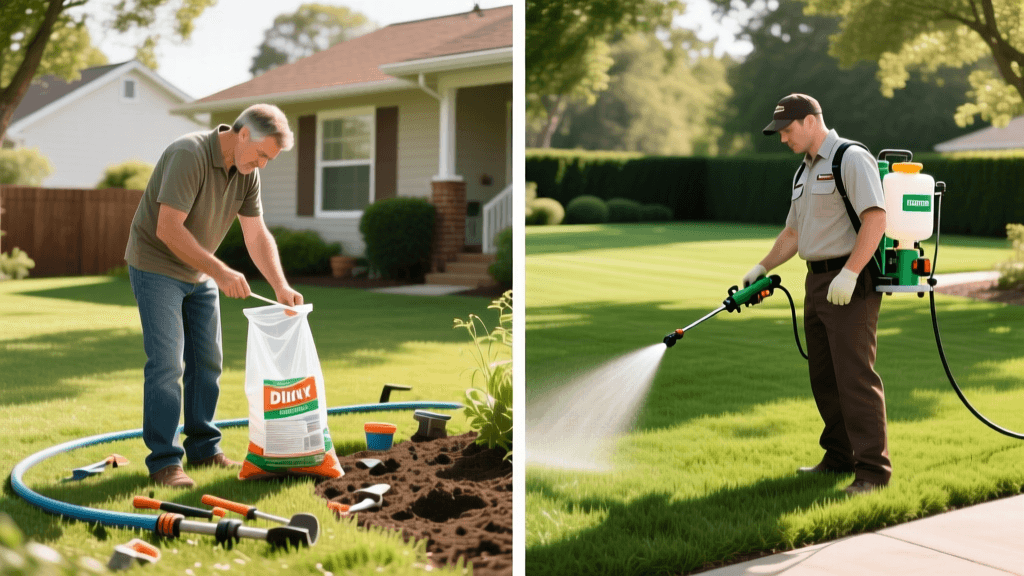
For preventative control, apply a strobilurin (like Azoxystrobin) in late spring when nighttime temperatures consistently hit 65°F. Use the lower label rate (typically 2.0 to 2.5 lbs per 1,000 sq ft for granular). For curative control of an active outbreak, use a triazole (like Propiconazole) at the higher curative label rate (typically 1 to 2 oz per 1,000 sq ft for liquid). Apply the fungicide in the early evening or early morning, and water it in lightly (about 1/8 inch) to move the chemical into the thatch layer and soil surface where the pathogen resides.
Recovery and Long-Term Prevention
Because brown patch primarily attacks the foliage and leaves the crown and root system intact, a tall fescue lawn can recover remarkably well once the fungus is suppressed. After applying a curative fungicide, wait 10 to 14 days. You should see new, green tillers emerging from the center of the previously brown patches. To aid recovery, you can apply a gentle, biostimulant-based product containing humic acids or seaweed extract to encourage root vigor without pushing excessive top growth.
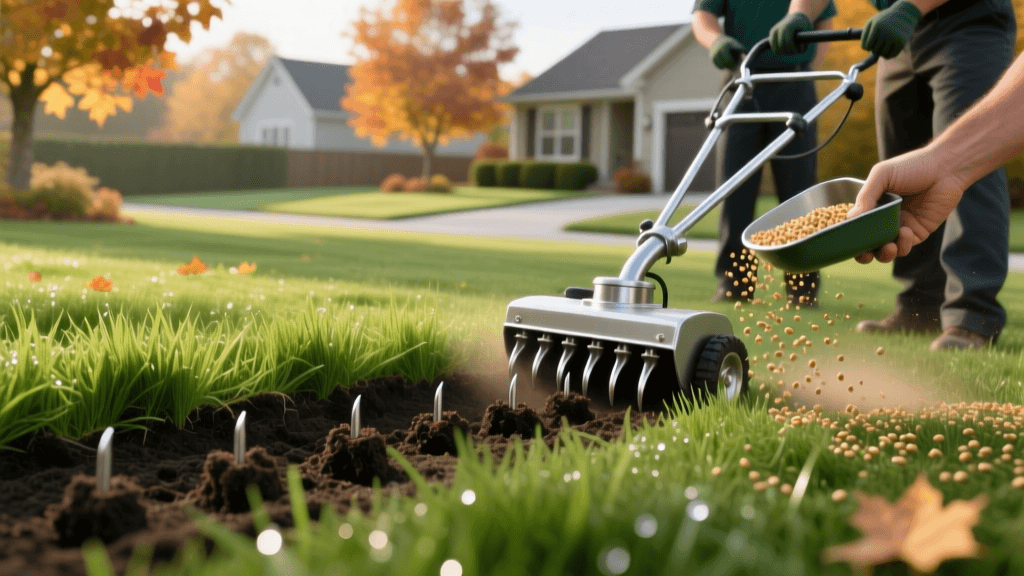
Long-term prevention relies heavily on fall lawn care routines. Core aeration and overseeding in the early fall (September to October) will relieve soil compaction, improve drainage, and introduce newer, disease-resistant tall fescue cultivars into your turf. Modern cultivars, such as those found in the 'RTF' (Rhizomatous Tall Fescue) or 'Titan' series, have been specifically bred for enhanced resistance to Rhizoctonia solani.
Authoritative Insights on Turfgrass Pathology
When dealing with persistent turfgrass diseases, relying on peer-reviewed, university-backed research is paramount. The Turfgrass Pathology Program at North Carolina State University is widely considered a leading authority on cool-season and transitional zone lawn diseases.
'Brown patch is the most prevalent and damaging disease of tall fescue in the Southeast. Because the pathogen survives indefinitely in the soil as sclerotia, eradication is impossible. Management must focus on reducing canopy moisture, avoiding summer nitrogen, and utilizing preventive fungicide applications during periods of high disease pressure.'
— Dr. Lee Miller, Extension Turfgrass Pathologist, NC State University
By combining the diagnostic precision outlined in this guide with the cultural and chemical solutions recommended by leading university extension programs, you can effectively neutralize brown patch and maintain a thick, vibrant, and healthy tall fescue lawn throughout the most challenging months of the year.