Lawn Care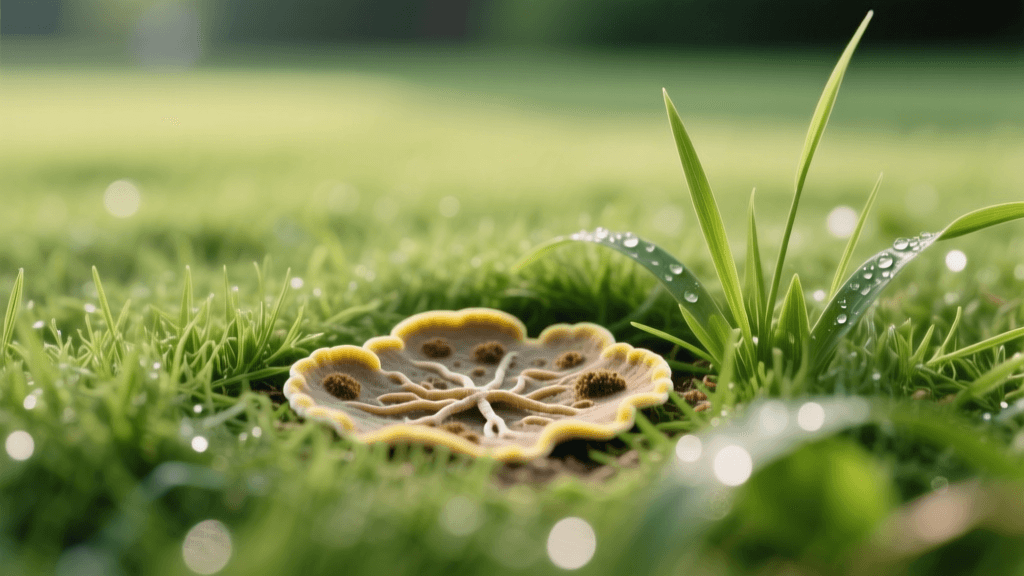
Diagnose and Treat Common Fungal Lawn Diseases Fast
The Hidden Threat of Fungal Lawn Diseases
Fungal diseases are among the most frustrating problems a homeowner can face. One day your lawn is a lush, green carpet, and the next, it is marred by expanding brown circles, bleached spots, or slimy patches. Fungal pathogens are always present in the soil and thatch layer of your lawn, but they only become destructive when environmental conditions favor their growth. High humidity, prolonged leaf wetness, poor air circulation, and improper mowing or fertilization practices create the perfect storm for an outbreak.
Diagnosing the specific type of fungus is the critical first step in problem-solving. Applying the wrong treatment can waste time and money, or worse, exacerbate the issue. This guide will walk you through the diagnosis of the three most common turfgrass diseases and provide actionable, science-backed solutions to restore your lawn's health.
Accurate Diagnosis: Identifying the Culprit
To solve a lawn disease problem, you must first accurately identify the pathogen. Misdiagnosis often leads to the application of ineffective fungicides and improper cultural practices. Below are the diagnostic hallmarks of the most prevalent fungal threats.
Brown Patch (Rhizoctonia solani)
Brown patch is a notorious summertime disease that primarily affects cool-season grasses like Tall Fescue, Kentucky Bluegrass, and Perennial Ryegrass, as well as warm-season grasses like St. Augustine and Zoysia.
- Visual Symptoms: Look for circular or irregular patches of brown, dead grass ranging from a few inches to several feet in diameter. In the early morning dew, you may notice a dark, smoky-gray ring (a 'smoke ring') at the active margin of the patch. Individual grass blades will show tan lesions with dark brown borders.
- Triggers: Nighttime temperatures above 68°F (20°C) combined with high humidity and prolonged leaf wetness. Excessive nitrogen fertilization in early summer also fuels Brown Patch.
Dollar Spot (Clarireedia jacksonii)
Dollar spot gets its name from the size of the affected areas, which historically resembled silver dollar-sized spots. However, these spots can merge to form large, continuous blighted areas.
- Visual Symptoms: Small, sunken, circular patches of straw-colored grass. The defining diagnostic feature is the hourglass-shaped lesion on individual grass blades, featuring a bleached center and dark reddish-brown margins. Early morning mycelium (white, cobweb-like fungal threads) is often visible.
- Triggers: Moderate temperatures (60°F to 85°F) with high humidity. Dollar spot is heavily correlated with low soil nitrogen levels and drought stress followed by heavy dew.
Pythium Blight (Pythium spp.)
Also known as 'cottony blight' or 'grease grass,' Pythium blight is an aggressive, fast-moving disease that can destroy a lawn in a matter of days under the right conditions.
- Visual Symptoms: Small, irregular, water-soaked spots that rapidly collapse and turn dark brown or black. The grass feels greasy or slimy to the touch. In high humidity, abundant white, cottony mycelium is visible.
- Triggers: Hot, humid weather with daytime temperatures above 85°F (29°C) and nighttime temperatures above 68°F (20°C). Poor drainage and overwatering are primary culprits.
Fungal Disease Comparison Chart
Use the following diagnostic table to quickly cross-reference your lawn's symptoms with the corresponding disease and environmental triggers.
| Disease | Primary Grass Targets | Visual Symptoms | Ideal Conditions | FRAC Groups for Treatment |
|---|---|---|---|---|
| Brown Patch | Tall Fescue, Ryegrass, Zoysia | Large brown circles, smoke rings, tan leaf lesions | Nights > 68°F, high humidity, excess N | 3, 7, 11 |
| Dollar Spot | Bermudagrass, Bluegrass, Fescue | Silver-dollar spots, hourglass lesions, cobweb mycelium | 60°F - 85°F, heavy dew, low N | 1, 3, M5 |
| Pythium Blight | Bluegrass, Ryegrass, Fescue | Greasy/slimy dark patches, cottony mycelium | Days > 85°F, nights > 68°F, poor drainage | 4, 21, 28 |
Proven Solutions: Cultural and Chemical Controls
Effective problem-solving requires a two-pronged approach: altering the environment to make it inhospitable to fungi (cultural controls) and applying targeted treatments to eradicate active infections (chemical controls).
Cultural Controls: Altering the Environment
Fungi require moisture to germinate and infect grass tissue. By managing moisture and turf density, you can solve the root cause of the problem.
- Strategic Irrigation: Never water your lawn in the evening. Watering at night extends the leaf wetness period, creating an incubator for fungal spores. Set your irrigation system to water deeply and infrequently between 4:00 AM and 8:00 AM. This provides the 1 to 1.5 inches of weekly water your lawn needs while allowing the sun and wind to dry the grass blades quickly.
- Mowing Best Practices: Never remove more than one-third of the grass blade in a single mowing. Scalping the lawn stresses the plant and exposes the lower, more humid canopy to spores. Maintain Tall Fescue at 3 to 4 inches and Bermudagrass at 1 to 2 inches. If a fungal disease is active, bag your clippings to prevent spreading the mycelium across the yard.
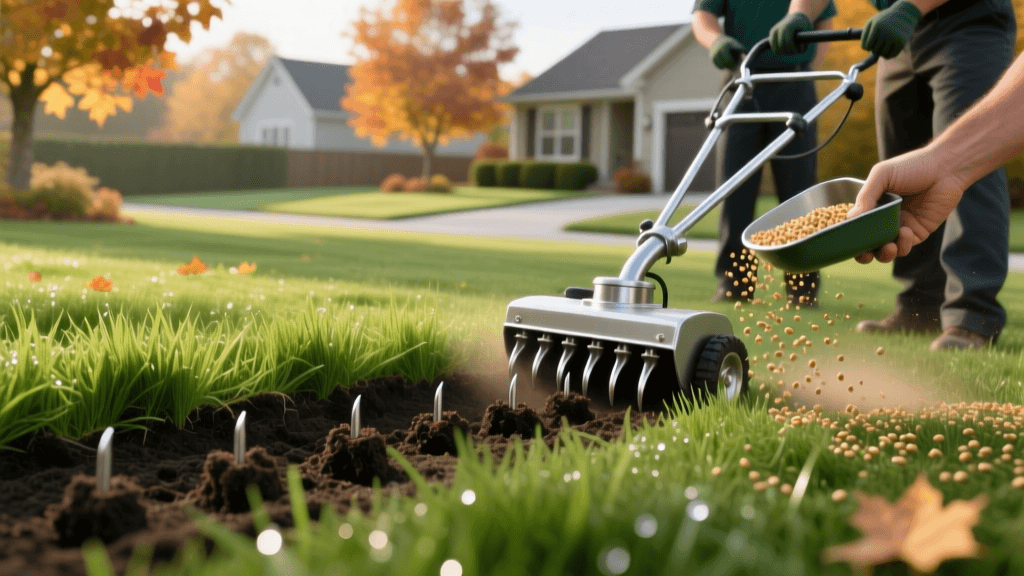
- Aeration and Dethatching: A thatch layer thicker than 0.5 inches acts as a sponge, holding moisture and harboring pathogens. Perform core aeration in the fall (for cool-season grasses) or late spring (for warm-season grasses) to relieve soil compaction, improve drainage, and accelerate thatch decomposition.
- Nitrogen Management: Avoid fast-release nitrogen fertilizers during peak summer heat. High nitrogen levels promote lush, weak growth that is highly susceptible to Brown Patch and Pythium Blight. Switch to slow-release, organic-based nitrogen sources during the summer months.
Chemical Controls: Fungicide Selection and Application
When cultural practices are not enough to halt an active outbreak, chemical intervention is necessary. Fungicides are categorized by their mode of action, designated by the Fungicide Resistance Action Committee (FRAC).
- Contact Fungicides (e.g., Chlorothalonil - FRAC M5): These products remain on the surface of the leaf and protect new growth from spore germination. They are excellent for preventative Dollar Spot control but must be reapplied frequently (every 7-14 days) and will wash off with heavy rain or irrigation.
- Systemic Fungicides (e.g., Azoxystrobin - FRAC 11, Propiconazole - FRAC 3): These are absorbed by the plant tissue and translocated throughout the grass. They offer both preventative and curative action, stopping active infections from spreading. Products containing Azoxystrobin (like Heritage SC) or Propiconazole (like Banner MAXX) are industry standards for Brown Patch and Dollar Spot. Apply these at the first sign of disease, typically at 14 to 28-day intervals depending on the product label.
- Targeting Pythium: Pythium is an oomycete (water mold), not a true fungus, meaning standard fungicides will not work. You must use specific oomycete-targeting active ingredients like Mefenoxam (FRAC 4) or Cyazofamid (FRAC 21).
The Importance of Fungicide Rotation
A common mistake homeowners make is repeatedly applying the same chemical product. Fungal populations can quickly develop genetic resistance to specific modes of action, rendering your treatments useless. To solve this long-term problem, you must rotate fungicides from different FRAC groups. For example, if you apply a FRAC Group 3 fungicide (DMI class) for your first application, follow it up 14 days later with a FRAC Group 11 (QoI class) or FRAC Group 7 (SDHI class) product. Always read the product label for the specific FRAC code and application rates.
Long-Term Prevention and Soil Health
A robust, deeply rooted lawn is your best defense against turfgrass diseases. Soil compaction and poor nutrient balance weaken grass, making it an easy target for opportunistic pathogens. Conduct a comprehensive soil test every two to three years to monitor your pH and micronutrient levels. Most turfgrasses thrive in a soil pH between 6.0 and 7.0. If your soil is too acidic, apply pelletized lime; if it is too alkaline, apply elemental sulfur. Furthermore, overseeding thin lawns in the early fall with disease-resistant turfgrass cultivars will improve genetic diversity and overall canopy resilience.
According to the North Carolina State University Extension TurfFiles program, proper identification of the specific fungal pathogen is critical, as fungicides effective against Rhizoctonia (Brown Patch) may be entirely ineffective against Pythium species, which require entirely different chemical modes of action. Accurate diagnosis prevents chemical misuse and environmental contamination.
By combining precise diagnosis, strategic watering, proper mowing, and targeted, rotated fungicide applications, you can effectively diagnose and solve even the most stubborn fungal lawn diseases, ensuring your yard remains a healthy, vibrant landscape year-round.