Pest Control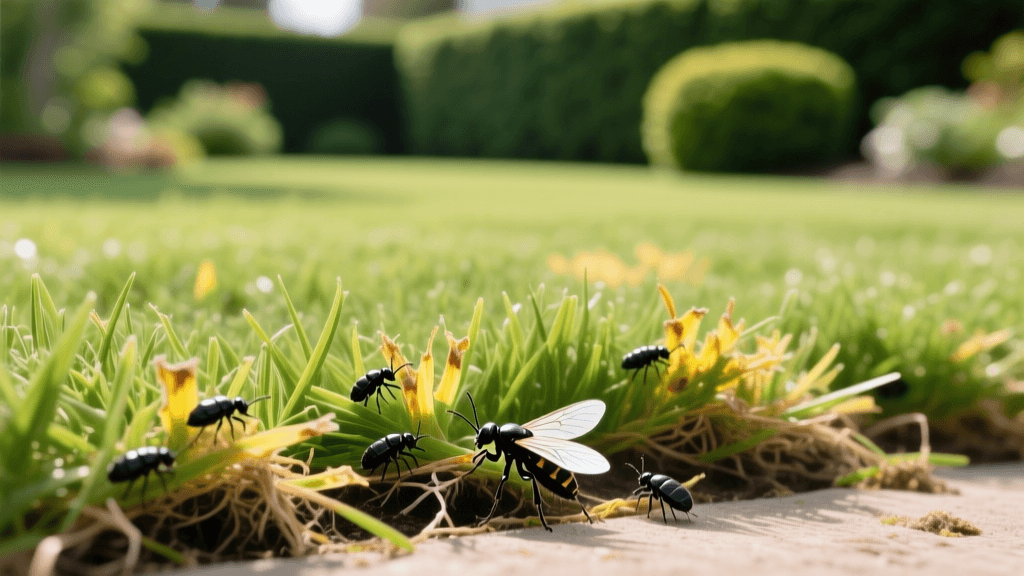
How to Diagnose and Treat Chinch Bugs in St. Augustine Lawns
The Hidden Threat: Chinch Bugs in St. Augustine Lawns
St. Augustine grass is a cornerstone of warm-season lawns across the southern United States, prized for its shade tolerance and lush, carpet-like appearance. However, its most notorious enemy is the southern chinch bug (Blissus insularis). These tiny, sap-sucking insects can decimate a healthy lawn in a matter of weeks, leaving behind vast expanses of dead, brown turf. For homeowners and lawn care professionals alike, mastering the diagnosis and treatment of chinch bugs is essential for preserving the health and aesthetics of St. Augustine grass. This comprehensive guide will walk you through the problem diagnosis, actionable treatment solutions, and long-term prevention strategies required to combat this destructive pest.
Step 1: Diagnosing Chinch Bug Damage vs. Drought Stress
The most common mistake homeowners make when dealing with chinch bugs is misdiagnosing the damage as drought stress or fungal disease. Chinch bugs inject a toxic saliva into the grass blades as they feed, which blocks the plant's vascular system and prevents water uptake. This results in symptoms that look remarkably similar to a dry lawn.
Key Visual Indicators
- Location of Damage: Chinch bugs thrive in hot, dry environments. Damage typically first appears near heat-radiating surfaces such as concrete driveways, sidewalks, and curbs.
- Color Progression: The grass will initially turn a dull green, then yellow, and finally a crisp, straw-like brown. Unlike drought stress, the brown patches will not recover immediately after a deep watering.
- Stolon Inspection: Part the grass at the edge of the dying patch (the transition zone between green and brown grass). Look closely at the base of the stems and the thatch layer for tiny, fast-moving insects.
The 'Tin Can' Flush Test
To confirm a chinch bug infestation and determine the severity, the University of Florida IFAS Extension recommends the 'tin can' flush test. This is the gold standard for accurate diagnosis.
- Remove both the top and bottom lids of a standard metal coffee can, creating a hollow cylinder.
- Push the can into the soil at the margin of a damaged area, burying it about 2 to 3 inches deep to create a watertight seal.
- Fill the can with water and wait for approximately 5 minutes. Keep adding water to maintain the level.
- Count the number of chinch bugs that float to the surface. They are small (about 1/5 inch long), black with white wings, and have a distinctive hourglass shape on their backs.
The Threshold: If you count 15 to 25 chinch bugs per square foot (or roughly 3 to 5 bugs inside a standard 6-inch diameter coffee can), treatment is immediately necessary to prevent severe turf loss.
Step 2: Understanding the Chinch Bug Life Cycle
Effective treatment requires an understanding of the pest's life cycle. In warmer climates like Florida and Texas, chinch bugs can produce 3 to 4 generations per year. They overwinter as adults in the thatch layer and emerge in early spring when temperatures consistently reach 70 degrees Fahrenheit.
Females lay eggs in the leaf sheaths, which hatch into wingless nymphs. Nymphs are initially bright red with a white band across their back, eventually turning black as they molt through five instar stages. Because multiple life stages are present simultaneously during the peak summer months, a single application of a short-residual insecticide is rarely enough. You must target both the active nymphs and the emerging adults.
Step 3: Treatment Solutions (Organic and Chemical)
An Integrated Pest Management (IPM) approach combines cultural, biological, and chemical controls to manage chinch bug populations effectively while minimizing environmental impact.
Organic and Biological Controls
For environmentally sensitive areas or light infestations, biological controls can help suppress chinch bug populations without harming beneficial insects.
- Beneficial Nematodes: The species Steinernema scapterisci is highly effective against chinch bug nymphs. Apply at a rate of 1 million nematodes per 1,000 square feet. Water the lawn lightly before application to moisten the soil, and apply in the late afternoon to protect the nematodes from UV radiation.
- Entomopathogenic Fungi: Products containing Beauveria bassiana act as a biological insecticide. The fungal spores attach to the chinch bug's exoskeleton, germinate, and penetrate the insect, killing it within a few days. This is an excellent organic option, though it works slower than synthetic chemicals.
- Conserving Natural Predators: Big-eyed bugs, lacewings, and predatory earwigs are natural enemies of the chinch bug. Avoid broad-spectrum insecticides early in the season to allow these beneficial populations to establish.
Chemical Insecticides
When populations exceed the economic threshold, targeted chemical interventions are required to save the turf. It is critical to rotate chemical classes (modes of action) to prevent the chinch bugs from developing resistance, a well-documented problem in southern states.
- Pyrethroids: Active ingredients like Bifenthrin and Lambda-cyhalothrin provide rapid knockdown of adult chinch bugs. They are highly effective but can be toxic to aquatic life and pollinators, so avoid applying near storm drains or blooming weeds.
- Neonicotinoids: Imidacloprid and Clothianidin are systemic insecticides that are absorbed by the grass roots and kill nymphs as they feed. However, due to widespread historical use, some regional chinch bug populations have developed resistance to this class.
- Diamides: Chlorantraniliprole is a newer class of insecticide that targets the insect's muscle function. It is highly effective against early instar nymphs, has a long residual activity, and possesses an excellent environmental safety profile, particularly regarding pollinators.
Treatment Comparison Chart
| Treatment Type | Active Ingredient / Agent | Application Rate (per 1,000 sq ft) | Estimated Cost | Target Stage |
|---|---|---|---|---|
| Pyrethroid (Liquid) | Bifenthrin (e.g., Talstar P) | 0.5 to 1.0 fl oz | $15 - $20 | Adults & Nymphs |
| Neonicotinoid (Granular) | Imidacloprid (e.g., Merit) | 1.4 to 1.7 lbs (of 0.5% G) | $20 - $25 | Nymphs (Systemic) |
| Diamide (Liquid/Granular) | Chlorantraniliprole (e.g., Acelepryn) | Follow label (approx. 2.0 fl oz) | $45 - $60 | Early Nymphs |
| Biological (Nematodes) | Steinernema scapterisci | 1 million nematodes | $25 - $35 | Soil-dwelling Nymphs |
| Biological (Fungi) | Beauveria bassiana | Follow label (approx. 2.0 oz) | $30 - $40 | Adults & Nymphs |
Step 4: Application Best Practices and Safety
To maximize the efficacy of your chosen treatment and ensure the safety of your family, pets, and the environment, adhere to the following application protocols:
- Thatch Management Prior to Application: Chinch bugs live and feed in the thatch layer. If your thatch exceeds 0.5 inches, it will intercept liquid insecticides before they reach the soil and lower stems. Dethatch or perform core aeration prior to chemical application.
- Mowing Schedule: Mow your lawn 24 hours before applying a liquid insecticide. This ensures the chemical reaches the base of the plant and the thatch layer rather than being removed with the grass clippings at the next mowing.
- Watering In: Granular insecticides and biological controls like nematodes must be watered in immediately after application with about 0.25 inches of irrigation to activate the product and move it into the target zone.
- Personal Protective Equipment (PPE): Always wear long sleeves, long pants, chemical-resistant gloves, and closed-toe shoes when handling and applying concentrated liquid insecticides. Read and follow all label instructions, as the label is the law.
Step 5: Prevention and Lawn Recovery
Once the active infestation is controlled, the focus must shift to lawn recovery and long-term prevention. St. Augustine grass is highly susceptible to chinch bugs when the turf is stressed or improperly maintained.
Cultural Prevention Strategies
- Optimize Irrigation: Chinch bugs thrive in hot, dry soil. Water your St. Augustine lawn deeply but infrequently (providing 0.75 to 1 inch of water per week) to encourage deep root growth and maintain adequate soil moisture.
- Judicious Fertilization: Avoid heavy applications of quick-release nitrogen fertilizers during the peak summer months. Excessive nitrogen produces rapid, lush, and soft leaf tissue that is highly attractive to chinch bugs. Use slow-release nitrogen sources and maintain a balanced soil pH.
- Proper Mowing Height: Never scalp a St. Augustine lawn. Maintain a mowing height of 3.5 to 4 inches. Taller grass shades the soil, retains moisture, and creates a microclimate that is less favorable for chinch bug survival while promoting the health of the grass's root system.
- Resistant Varieties: If you are forced to renovate a severely damaged lawn, consider planting chinch bug-resistant cultivars. While the once-resistant 'Floratam' variety has seen diminished resistance in recent years due to pest adaptation, newer cultivars like 'Captiva' and 'Palmetto' offer improved tolerance to pest pressure and environmental stress.
Authoritative Guidance on Resistance Management
According to the University of Florida IFAS Extension, southern chinch bugs have a documented history of developing resistance to major classes of insecticides, including organophosphates, carbamates, and pyrethroids. The IFAS guidelines strongly emphasize the necessity of rotating insecticide modes of action (IRAC groups) between applications. For example, if you use a pyrethroid (IRAC Group 3) for your initial spring treatment, your mid-summer follow-up should utilize a diamide (IRAC Group 28) or a neonicotinoid (IRAC Group 4A). Furthermore, the IFAS recommends spot-treating only the affected areas and the immediate buffer zone rather than applying blanket applications across the entire lawn. This preserves the populations of natural predators, such as the big-eyed bug, which are essential for keeping secondary pest outbreaks in check.
Conclusion
Diagnosing and treating chinch bugs in St. Augustine grass requires vigilance, accurate identification, and a strategic approach to chemical and biological controls. By utilizing the tin can test to confirm infestations, selecting targeted treatments based on the pest's life cycle, and implementing rigorous cultural practices to reduce lawn stress, you can effectively protect your turf. Remember that a healthy, well-maintained lawn is always your first and best line of defense against the devastating impact of the southern chinch bug.