Pest Control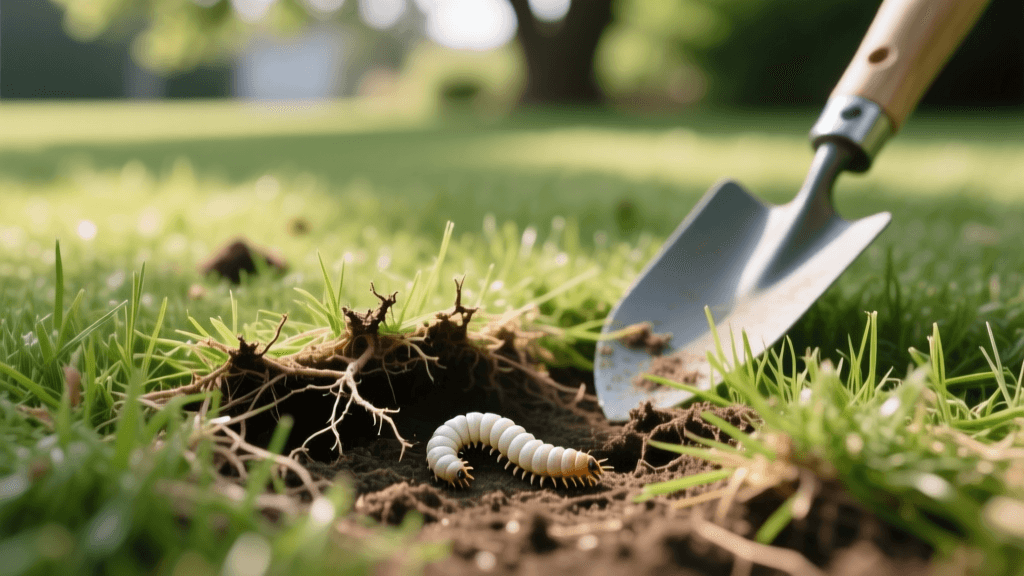
How to Diagnose and Treat Grub Worms in Your Lawn
The Hidden Threat Beneath Your Turf
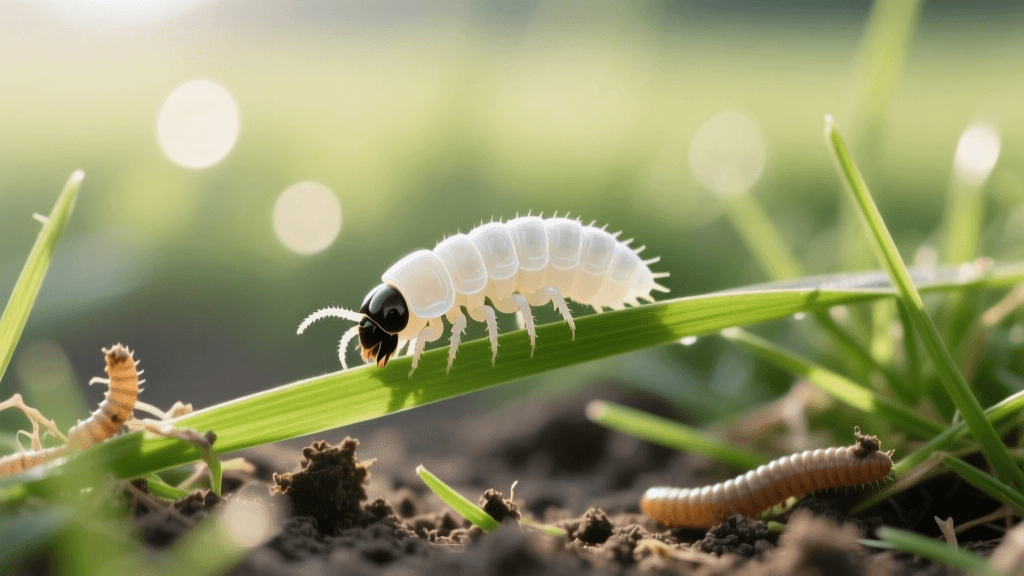
Is your once-lush lawn developing irregular brown patches that feel spongy underfoot? Are neighborhood skunks, raccoons, or crows tearing up your grass in the middle of the night? If so, you are likely dealing with a grub worm infestation. Grubs are the C-shaped, white larval stage of scarab beetles, and they feed voraciously on the root systems of turfgrass. Left unchecked, a severe infestation can destroy an entire lawn in a matter of weeks. This comprehensive diagnosis and solutions guide will walk you through identifying the problem, choosing the right treatment, and restoring your turf using Integrated Pest Management (IPM) principles.
How to Diagnose a Grub Worm Infestation
Before spending money on chemical or organic treatments, you must confirm that grubs are the actual cause of your lawn damage. Drought stress, fungal diseases, and dog urine can all mimic grub damage. Proper diagnosis requires a hands-on approach.
The Tug Test and Spongy Soil
The first symptom of grub damage is a lawn that feels spongy when you walk on it, similar to newly laid sod. This occurs because the grubs have severed the roots from the soil. To perform the tug test, grab a handful of brown or thinning grass and pull gently. If the grass rolls up like a carpet with no resistance and no visible roots attached to the soil beneath, grubs are likely the culprit. You may even see the white, C-shaped larvae wriggling in the top inch of the exposed soil.
The Sod Cutting Method (The Gold Standard)
To determine the exact severity of the infestation, you need to count the grubs. According to Penn State Extension, the threshold for treatment depends on the overall health of your turf and the grub population density.
- Use a sharp spade or a half-moon edger to cut a 12-inch by 12-inch square of turf (one square foot).
- Carefully peel back the sod to expose the soil and root zone.
- Sift through the top 2 to 3 inches of soil and count the number of white grubs.
- Replace the sod and water it immediately to save the grass.
Diagnostic Thresholds:
- Healthy, well-watered lawns: Can tolerate 5 to 10 grubs per square foot without visible damage.
- Stressed or drought-prone lawns: May show damage with as few as 3 to 5 grubs per square foot.
- Action Required: If you find more than 10 grubs per square foot across multiple test areas, immediate treatment is necessary to save your lawn.
Identifying the Culprit: Common Grub Species
Not all grubs are created equal. Identifying the species can help you choose the most effective biological controls. Examine the raster pattern (the arrangement of tiny hairs and bristles on the grub tail end) using a magnifying glass.
- Japanese Beetle Grubs: Feature a distinct V-shaped raster pattern. They are the most common and destructive turf pests in the eastern United States.
- European Chafer Grubs: Have a Y-shaped raster pattern. They tend to feed deeper in the soil and can cause severe damage in cooler climates.
- June Bug (Phyllophaga) Grubs: Have a zipper-like raster pattern. These are larger and often found in the Midwest and South.
The Grub Life Cycle: Why Timing is Everything
Understanding the scarab beetle life cycle is critical for effective pest control. Adult beetles emerge in early summer (June to July) to mate and lay eggs in your soil. These eggs hatch in late July and August into young, first-instar grubs. These young grubs are small, actively feeding, and highly susceptible to treatments. As autumn cools, they burrow deep into the soil to overwinter. In spring, they emerge briefly as large, mature grubs to feed before pupating into adults, making them highly resistant to most pesticides during this phase.
Comprehensive Grub Treatment Solutions
Integrated Pest Management (IPM) dictates that we use the most targeted, environmentally responsible treatment available. Here are the top solutions categorized by their application timing and methodology.
Preventative Chemical Controls
Preventative treatments are applied before eggs hatch or while they are newly hatched. They are highly effective and use lower-toxicity chemicals that remain active in the soil for months.
- Chlorantraniliprole (e.g., Scotts GrubEx): This is the gold standard for preventative care. It is highly targeted to insects and poses minimal risk to earthworms and pollinators. Timing: Apply between April and early June. Cost: Approximately $25 for 5,000 square feet.
- Imidacloprid (e.g., BioAdvanced Grub Killer Plus): A systemic neonicotinoid that is absorbed by the roots. Timing: Apply in June or July. Note: Neonicotinoids can be harmful to pollinators if applied to flowering weeds, so mow your lawn and remove blooming weeds before application.
Curative Chemical Controls
If you missed the preventative window and discover an active infestation in late summer or early fall (August to October), you need a fast-acting curative insecticide.
- Trichlorfon (e.g., Dylox): This contact and stomach poison kills grubs within 24 to 48 hours. It breaks down quickly in the soil, leaving no long-term residue. Timing: Apply from August to mid-September when grubs are still near the surface. Cost: Approximately $30 for 5,000 square feet. Warning: Trichlorfon is highly toxic to aquatic life; do not use near ponds or streams.
Organic and Biological Controls (IPM)
For homeowners seeking organic lawn care, biological controls offer excellent long-term solutions without synthetic chemicals.
- Beneficial Nematodes (Heterorhabditis bacteriophora): These microscopic worms seek out and infect grubs, releasing bacteria that kill the host within 48 hours. Application: Apply in late summer when soil temperatures are above 60 degrees Fahrenheit. You must apply them in the early evening or on a cloudy day to avoid UV degradation, and water them into the soil immediately. Keep the soil moist for 14 days. Cost: $30 to $45 per 10,000 square feet. Must be refrigerated before use.
- Milky Spore (Bacillus popilliae): A naturally occurring bacterium that specifically targets Japanese beetle grubs. When a grub ingests the spores, it dies and releases billions more spores into the soil. Timing: Apply in early fall. Caveat: According to Cornell University CALS, Milky Spore can take 2 to 5 years to establish in the soil to provide full control, and it is entirely ineffective against European Chafers and June Bugs.
Grub Control Treatment Comparison Chart
| Treatment Type | Active Ingredient / Agent | Best Application Timing | Target Life Stage | Speed of Control |
|---|---|---|---|---|
| Preventative Chemical | Chlorantraniliprole | April - Early June | Eggs / 1st Instar | Slow (Weeks) |
| Preventative Chemical | Imidacloprid | June - July | Eggs / 1st Instar | Moderate (Weeks) |
| Curative Chemical | Trichlorfon (Dylox) | August - September | 2nd / 3rd Instar | Fast (24-48 Hours) |
| Organic Biological | Hb Nematodes | August - September | All active stages | Moderate (3-7 Days) |
| Organic Biological | Milky Spore | Early Fall | Japanese Beetle Grubs | Very Slow (Years) |
Repairing Lawn Damage
Killing the grubs is only half the battle; you must also repair the severed root systems and the damage caused by foraging wildlife.
- Press the Sod Back: If animals have rolled back the turf, gently unroll it and press it firmly back into contact with the soil. Water heavily to encourage re-rooting.
- Core Aeration: Consider core aeration before overseeding to relieve soil compaction, improve water infiltration, and enhance seed-to-soil contact.
- Rake and Reseed: For dead patches, rake away the dead thatch and grass. Loosen the top inch of soil with a garden weasel or rake.
- Overseed: Apply a high-quality, grub-resistant turfgrass blend. Tall fescue and perennial ryegrass have deeper, more robust root systems that tolerate minor grub feeding better than Kentucky bluegrass.
- Topdress and Water: Apply a thin layer of compost over the seed. Water lightly twice a day for 14 days until the new grass is established.
Expert Citations and Long-Term Prevention
According to turfgrass entomologists at Penn State Extension, maintaining a healthy, vigorous lawn is your best defense against pests. Lawns mowed at a height of 3 to 4 inches develop deeper root systems that can withstand higher grub populations without showing surface damage. Furthermore, avoiding excessive nitrogen fertilization in the spring reduces the lush, tender root growth that attracts egg-laying female beetles. Deep, infrequent watering encourages deep root growth, whereas frequent, shallow watering keeps roots near the surface where grubs feed. By combining proper cultural practices with targeted, timely IPM treatments, you can maintain a pristine lawn while minimizing environmental impact and chemical exposure.