Tree Care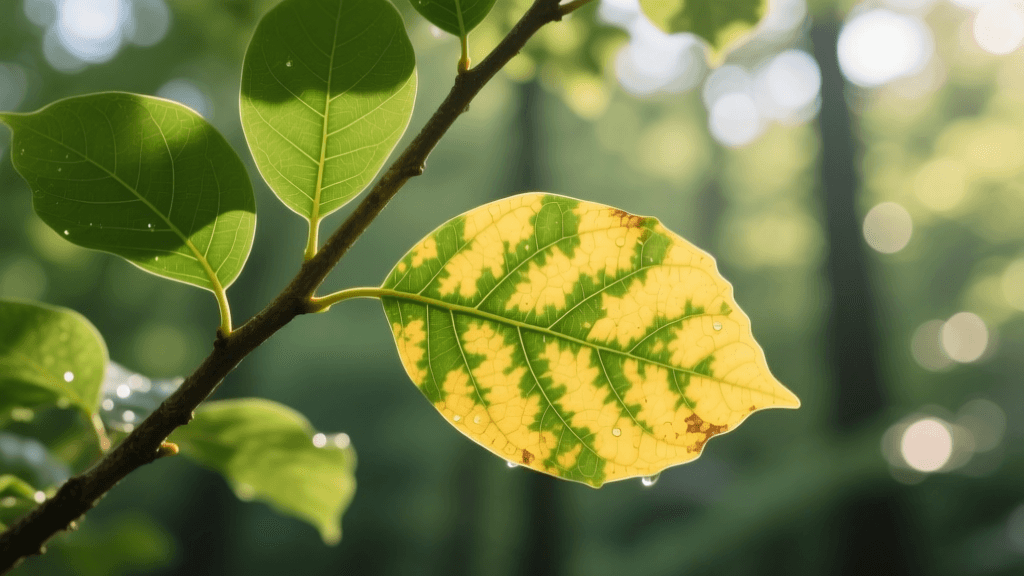
Diagnose and Treat Iron Chlorosis in Landscape Trees
Understanding Iron Chlorosis in Landscape Trees
Iron chlorosis is one of the most common and frustrating nutritional disorders affecting landscape trees, particularly in regions with alkaline soils. If you have noticed the leaves on your pin oak, silver maple, or river birch turning a sickly yellow while the veins remain distinctly green, your tree is likely suffering from iron deficiency. However, the problem is rarely a lack of iron in the soil itself. Instead, it is a problem of availability.
Iron is a crucial micronutrient required for the synthesis of chlorophyll, the pigment that gives leaves their green color and drives photosynthesis. According to the University of Minnesota Extension, when soil pH rises above 7.0 (alkaline), iron becomes chemically bound and insoluble, making it impossible for tree roots to absorb it. Over time, severe chlorosis leads to stunted growth, premature leaf drop, branch dieback, and eventually the death of the tree if left untreated.
Diagnosing Iron Chlorosis vs. Other Tree Ailments
Before purchasing treatments, it is vital to accurately diagnose the problem. Yellowing leaves can indicate several different issues, ranging from nitrogen deficiency to vascular diseases like oak wilt. Misdiagnosis leads to wasted money and ineffective treatments.
The hallmark of iron chlorosis is interveinal chlorosis—the tissue between the leaf veins turns yellow or pale green, but the veins themselves remain dark green. This symptom typically appears first on the newest, youngest leaves at the tips of the branches, because iron is an immobile nutrient within the plant; the tree cannot translocate it from older leaves to newer growth.
Diagnostic Comparison Table
| Condition | Primary Leaf Symptom | Vein Color | Where it Appears First | Additional Signs |
|---|---|---|---|---|
| Iron Chlorosis | Yellowing between veins (interveinal) | Dark Green | Newest leaves, branch tips | Leaf margins may brown/scorch in severe cases |
| Nitrogen Deficiency | Uniform pale green or yellowing | Yellow (same as leaf) | Older, lower leaves first | Overall stunted growth, thinning canopy |
| Oak Wilt (Disease) | Rapid browning and wilting | Brown/Necrotic | Top of canopy, outer branches | Leaves drop prematurely in summer, vascular streaking |
| Water Stress (Drought) | Wilting, curling, edge browning | Green until necrotic | Entire canopy or sun-exposed sides | Dry, cracked soil; brittle twigs |
Step 1: Soil Testing and pH Verification
Do not blindly apply iron supplements without testing your soil. The Colorado State University Extension emphasizes that applying the wrong type of iron to high-pH soil will result in the iron instantly locking up, providing zero benefit to the tree.
Purchase a reliable soil test kit or send a sample to your local university cooperative extension. You need to know two things:
- Soil pH: If your pH is between 7.0 and 8.5, iron chlorosis is highly likely. If it is above 8.5, you may also have severe manganese deficiency and sodium toxicity.
- Free Lime (Calcium Carbonate): High levels of free lime will actively buffer the soil, making it incredibly difficult to lower the pH using sulfur.
Step 2: Choosing the Right Treatment Strategy
Treating iron chlorosis requires a multi-pronged approach depending on the severity of the deficiency, the size of the tree, and your budget. Below are the four primary troubleshooting methods, complete with product recommendations, measurements, and cost estimates.
Method A: Foliar Sprays (The Quick Fix)
Foliar spraying involves applying a liquid iron solution directly to the leaves. This bypasses the soil entirely and provides a rapid green-up, usually within 7 to 14 days. However, it is only a temporary band-aid and does not fix the underlying soil issue.
- Product: Liquid Ferrous Sulfate or Chelated Iron spray (e.g., Bonide Liquid Iron).
- Application Rate: Mix 1 to 2 tablespoons per gallon of water. Add a few drops of mild dish soap as a surfactant to help the liquid stick to the waxy leaf cuticle.
- Timing: Apply in the early morning or late evening to prevent leaf burn. Avoid spraying when temperatures exceed 85°F.
- Cost: $15 to $25 per bottle. Highly affordable but requires repeated applications every 3-4 weeks during the growing season.
Method B: Soil Application of Chelated Iron (Medium-Term Solution)
Chelation is a chemical process that wraps the iron ion in an organic molecule, protecting it from binding with oxygen and calcium in alkaline soils. This allows the tree's roots to absorb it. However, not all chelates are created equal.
According to the Morton Arboretum, standard iron chelates like Fe-EDTA or Fe-DTPA break down rapidly in soils with a pH above 7.0. For alkaline soils, you must use Fe-EDDHA (often sold under brand names like Sequestrene 138 or Miller's FerriPlus). Fe-EDDHA remains stable and available to the tree in soils with a pH up to 9.0.
- Application Rate: Apply 1 to 2 ounces of Fe-EDDHA granular powder per inch of trunk diameter. Dissolve in water and drench the soil within the tree's drip line (the area directly beneath the outermost branches).
- Timing: Early spring, just before bud break, is the most effective time. A secondary application can be made in early fall.
- Cost: $50 to $90 per pound. While expensive upfront, one pound can treat a large mature tree for an entire year.
Method C: Trunk Injections (Long-Term for Large Trees)
For massive, mature trees where soil drenching is impractical or where soil conditions are too hostile (e.g., heavy clay with extreme alkalinity), trunk injection is the gold standard. This must be performed by a certified arborist to avoid girdling or introducing pathogens into the cambium.
- Product: Arborjet QUIK-jet or TREE-ive micro-infusion systems using iron citrate or specialized iron/manganese formulations.
- Process: The arborist drills small holes into the sapwood at the base of the trunk and uses pressurized capsules to force the iron directly into the tree's vascular system (xylem).
- Timing: Late spring to early summer when the tree is actively transpiring and pulling water (and nutrients) up from the roots.
- Cost: $300 to $800+ per tree, depending on trunk diameter. The results can last for 2 to 3 years, making it cost-effective over time for high-value heritage trees.
Method D: Soil Acidification (The Permanent Fix)
To permanently solve the problem, you must lower the soil pH to a range of 6.0 to 6.5. This is a slow process that takes months or even years, but it addresses the root cause.
- Product: Elemental Sulfur (soil sulfur) or Ammonium Sulfate fertilizer.
- Application Rate: Apply 1 to 2 pounds of elemental sulfur per 100 square feet of soil area beneath the canopy. Incorporate it into the top 2 inches of soil if possible, being careful not to sever major surface roots.
- Timing: Fall or early spring. Soil bacteria must oxidize the sulfur into sulfuric acid to lower the pH, a process that requires warm, moist soil and takes 6 to 12 months to fully react.
- Cost: $20 to $40 for a 50-pound bag. Very economical for large areas.
Treatment Strategy Comparison Chart
| Treatment Method | Speed of Results | Longevity | Estimated Cost | Best Used For |
|---|---|---|---|---|
| Foliar Spray | 7 - 14 Days | 1 Month | $15 - $25 (DIY) | Small trees, emergency green-up |
| Fe-EDDHA Soil Drench | 3 - 6 Weeks | 1 Year | $50 - $90 (DIY) | Medium trees, highly alkaline soils |
| Trunk Injection | 2 - 4 Weeks | 2 - 3 Years | $300 - $800 (Pro) | Large/mature trees, compacted clay soils |
| Elemental Sulfur | 6 - 12 Months | Multi-Year | $20 - $40 (DIY) | Long-term soil remediation, new plantings |
Prevention and Ongoing Maintenance
Troubleshooting tree health is not just about reactive treatments; it is about proactive cultural care. To prevent the recurrence of iron chlorosis, implement the following maintenance routines:
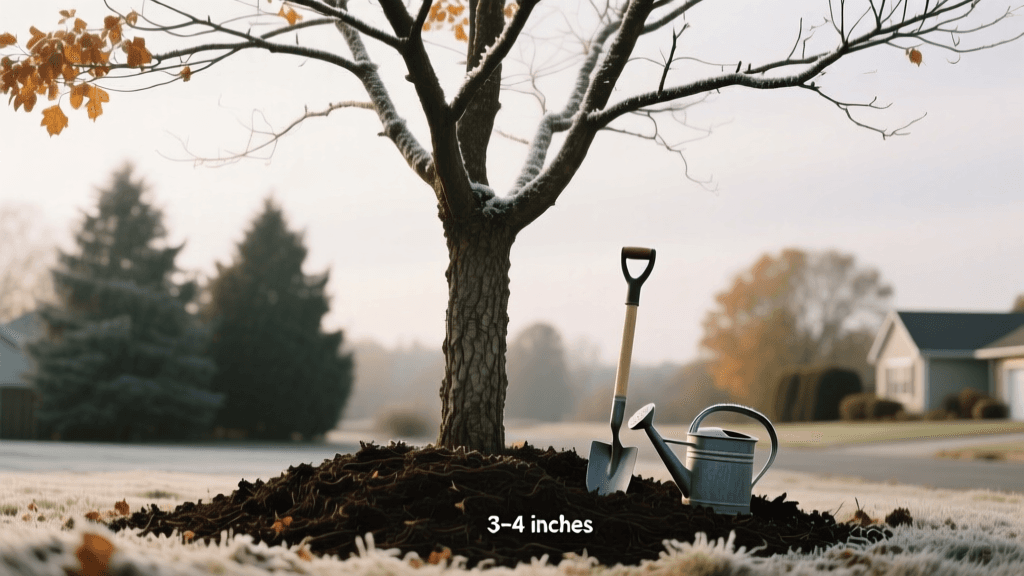
- Proper Mulching: Apply a 2-to-3-inch layer of organic wood chip mulch in a wide ring around the tree (keeping it away from the trunk flare). As the mulch decomposes, it naturally releases mild organic acids that help lower soil pH and keep micronutrients available.
- Avoid Overwatering: Soggy, poorly drained soils deplete oxygen in the root zone. Without oxygen, roots cannot actively absorb iron, even if it is present and chelated. Ensure your tree is planted in well-draining soil or install French drains if water pools around the base.
- Select Resistant Species: If your soil is heavily alkaline and contains high free lime, stop fighting nature. Avoid planting highly susceptible species like pin oak, silver maple, and river birch. Instead, opt for alkaline-tolerant species like bur oak, honeylocust, or hackberry.
By accurately diagnosing the visual symptoms, verifying your soil chemistry, and selecting the appropriate chelated iron or soil acidification strategy, you can restore your landscape trees to vibrant, photosynthesizing health.