Lawn Care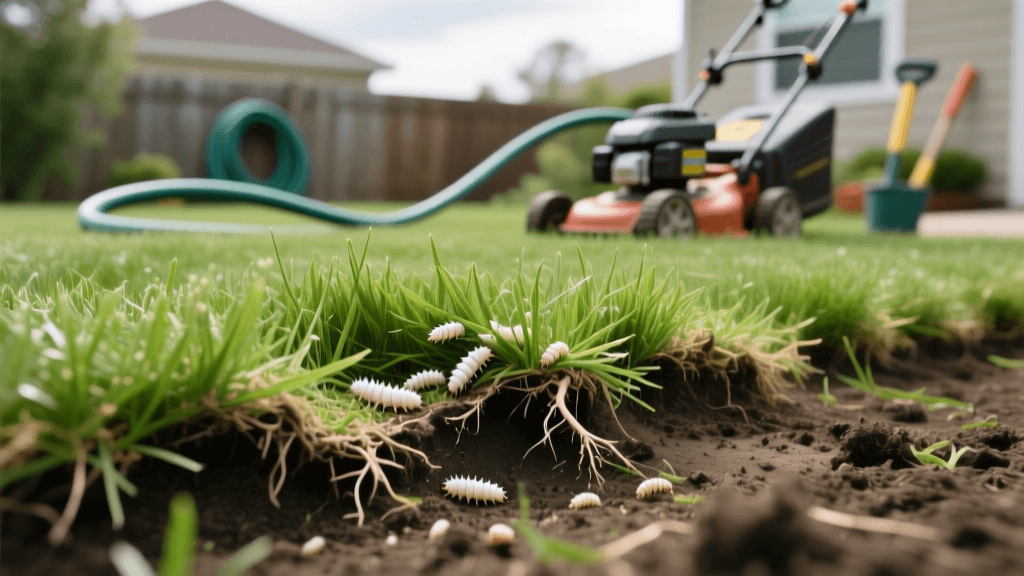
Diagnosing and Treating White Grub Infestations in Lawns
Introduction to the White Grub Problem
White grubs are the destructive larval stage of various scarab beetles, including Japanese beetles, European chafers, masked chafers, and June bugs. These C-shaped, cream-colored larvae live just beneath the soil surface, where they voraciously feed on the root systems of turfgrass. When grubs sever the roots from the soil, the grass loses its ability to uptake water and nutrients, leading to rapid wilting, browning, and eventual death of the turf. For homeowners, a grub infestation can turn a lush, green lawn into a patchy, brown eyesore in a matter of weeks. However, not all brown patches are caused by grubs, and applying insecticides without proper diagnosis is a waste of money and harmful to the environment. This guide will walk you through the exact steps to diagnose a grub problem, determine if treatment is necessary, and apply the most effective curative and preventative solutions available.
The Life Cycle of Turf-Destroying Grubs
Understanding the life cycle of the scarab beetle is crucial for timing your treatments correctly. Most common turf-destroying grubs follow a one-year life cycle. Adult beetles emerge from the soil in early summer to mate and lay eggs in the turf. By late July and August, these eggs hatch into young grubs that immediately begin feeding on grassroots. This late-summer feeding period is when the most severe lawn damage occurs. As soil temperatures drop in late fall, grubs burrow deep below the frost line to overwinter. They return to the surface in early spring to feed briefly before pupating and emerging as adults, starting the cycle anew.
Diagnosing the Damage: Is It Really Grubs?
Before purchasing any chemical treatments, you must confirm that grubs are the actual culprits. Drought stress, fungal diseases like brown patch, and dog urine can all mimic grub damage. Look for these three primary indicators of a grub infestation:
- Spongy Turf: The grass may feel spongy or loose underfoot because the root structure has been eaten away.
- Animal Digging: Skunks, raccoons, armadillos, and flocks of crows or starlings will actively tear up your lawn to feast on the protein-rich grubs beneath the surface.
- Irregular Brown Patches: Unlike the perfect circles of fungal diseases, grub damage appears as irregular, expanding brown patches that often start in the sunniest, most exposed areas of the lawn.
The Tug Test and Soil Sampling
To confirm an infestation, perform the 'Tug Test.' Grab a handful of the brown, dying grass at the edge of the damaged patch and pull gently. If the turf rolls back like a loose carpet, the roots have been severed. Next, use a flat-edged spade to cut three sides of a one-foot square in the soil, about two to three inches deep. Peel back the turf like a hinge and sift through the soil. Count the number of plump, white grubs you find. Repeat this process in three to four different areas of your lawn to get an accurate average.
Grub Thresholds: When to Treat
According to entomologists at Purdue University Extension, treating for grubs should never be a calendar-based habit. A healthy, well-watered lawn can tolerate a surprising number of grubs without showing visible damage. Homeowners must apply the Integrated Pest Management (IPM) threshold rule before applying insecticides. Use the data table below to determine if your lawn requires treatment based on its current health and irrigation status.
| Turf Health Status | Irrigation Level | Action Threshold (Grubs per sq ft) |
|---|---|---|
| Optimal / Healthy | Regularly Irrigated | 10 to 15 |
| Moderately Stressed | Occasional / Drought | 5 to 10 |
| Severely Stressed | Non-Irrigated / Dormant | 3 to 5 |
If your soil samples reveal grub counts below these thresholds, hold off on chemical treatments and focus on proper lawn watering and fertilization to help the grass outgrow the minor root damage.
Curative Solutions: Stopping an Active Infestation
If you discover an active infestation in late summer or early fall (August through October) and your grub counts exceed the thresholds, you need a fast-acting curative insecticide. Curative products are designed to kill large, actively feeding grubs on contact.
- Trichlorfon (e.g., Bayer Advanced 24-Hour Grub Killer): This is the gold standard for curative control. It acts rapidly, killing grubs within 24 hours. Cost is approximately $25 to $30 per 5,000 square feet. It must be watered in immediately with at least 0.5 inches of water to push the chemical into the root zone where the grubs are feeding.
- Carbaryl (e.g., Sevin): Another effective curative option, though it is slightly less effective on larger, mature European chafer grubs compared to Trichlorfon. Expect to spend around $20 per 5,000 square feet.
Warning: Curative treatments applied in the spring are largely ineffective. By spring, grubs are mature, nearing the end of their feeding cycle, and preparing to pupate. Spring applications waste money and unnecessarily introduce chemicals into the ecosystem.
Preventative Solutions: Stopping Grubs Before They Hatch
For lawns with a documented history of severe grub damage, preventative treatments are the most effective long-term strategy. Preventatives target young, newly hatched grubs in mid-to-late summer before they can cause significant root damage.
- Chlorantraniliprole (e.g., Acelepryn, Scotts GrubEx): This is the safest and most highly recommended preventative. It has a low toxicity profile for bees and earthworms. Apply between April and early June. It costs roughly $60 to $80 per 10,000 square feet and provides season-long control.
- Imidacloprid (e.g., Merit): A traditional preventative that must be applied closer to the egg-hatching window, typically between mid-June and early August. It is highly effective but carries a higher risk to pollinators, so never apply it to lawns with blooming clover or weeds.
Biological Controls: The Nematode Alternative
For organic lawn care enthusiasts, beneficial nematodes offer a powerful, chemical-free solution. Specifically, the Heterorhabditis bacteriophora (Hb) strain is a microscopic worm that seeks out grubs, enters their bodies, and releases bacteria that kill the host within 48 hours. Nematodes are highly effective as a curative treatment in late summer. They cost between $40 and $60 per 5,000 square feet and must be applied via a hose-end sprayer in the late evening to avoid UV degradation. The soil must be kept consistently moist for at least a week after application to ensure the nematodes survive and hunt effectively.
Lawn Recovery: Repairing Grub Damage
Killing the grubs is only half the battle; you must also repair the destroyed turf. Follow this step-by-step recovery plan in the early fall:
- Rake and Remove: Vigorously rake the dead, brown patches to remove dead thatch and loosen the top layer of soil.
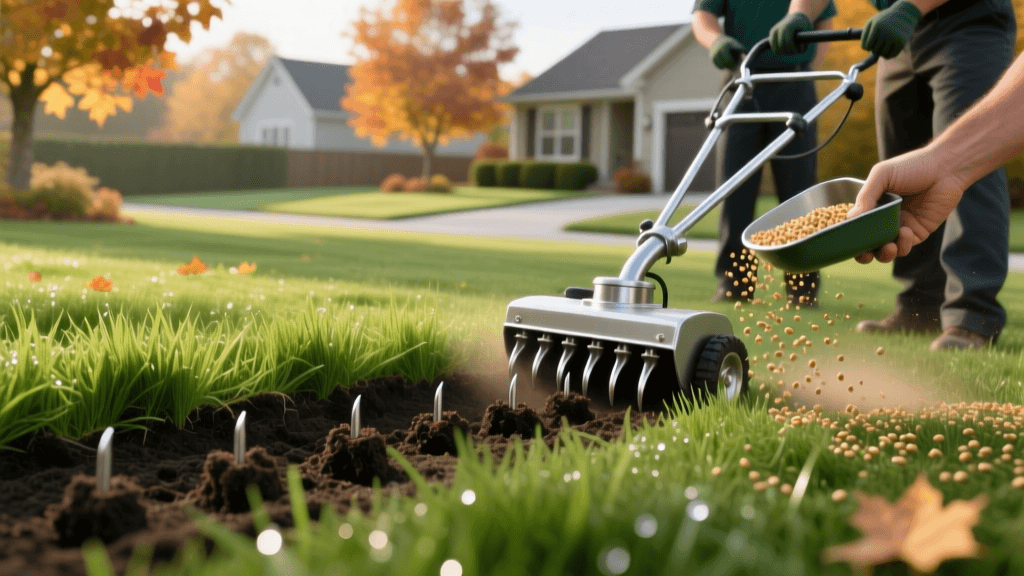
- Aerate: If the soil is compacted, perform core aeration to improve water infiltration and seed-to-soil contact.
- Overseed: Apply a high-quality grass seed blend. Tall fescue and endophyte-enhanced perennial ryegrass are naturally more resistant to grub feeding due to their deeper root systems and bitter-tasting alkaloids.
- Fertilize: Apply a starter fertilizer (such as Scotts Turf Builder Starter Food) to promote rapid root development in the new seedlings.
- Water: Keep the top inch of soil consistently moist until the new grass reaches mowing height.
'A robust, deeply rooted lawn is your best defense against scarab beetles. By mowing high at 3.5 to 4 inches and watering deeply but infrequently, you encourage roots that can withstand minor grub feeding without showing surface damage.' - Purdue University Turf Science Program
By combining accurate diagnosis, threshold-based decision-making, and targeted curative or preventative treatments, you can eliminate white grubs and restore your lawn to its former glory without relying on unnecessary chemical applications.