Tree Care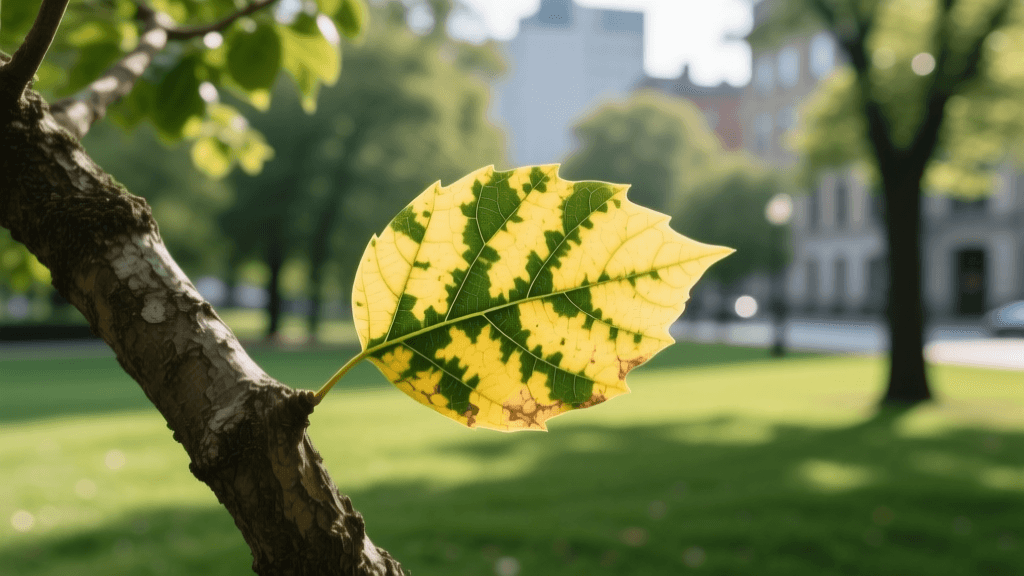
Diagnosing and Treating Iron Chlorosis in Landscape Trees
Understanding Iron Chlorosis in Landscape Trees
When the vibrant green canopy of your favorite shade tree begins to fade into a sickly, pale yellow, it is a distressing sight for any homeowner. One of the most common and destructive culprits behind this discoloration is iron chlorosis. Iron chlorosis is not a disease caused by a pathogen; rather, it is a physiological disorder resulting from an iron deficiency in the plant's tissue. Iron is an essential micronutrient required for the synthesis of chlorophyll, the pigment responsible for photosynthesis and the green color of leaves.
Certain tree species are notoriously susceptible to iron chlorosis, particularly when planted in soils that do not match their native preferences. Pin oaks, red maples, river birches, sweetgums, and dawn redwoods frequently exhibit severe chlorotic symptoms in urban and suburban landscapes. If left untreated, chronic iron chlorosis leads to stunted growth, premature leaf drop, severe branch dieback, and eventually, the death of the tree.
According to the University of Minnesota Extension, the primary cause of iron chlorosis in landscape trees is rarely a true lack of iron in the soil. Instead, it is a 'lockout' issue caused by high soil pH (alkaline conditions), which renders existing iron insoluble and unavailable to the tree's root system. In this comprehensive troubleshooting guide, we will walk you through the exact steps to diagnose chlorosis, differentiate it from other issues, and implement actionable, cost-effective treatment plans.
Step-by-Step Diagnosis: Is It Chlorosis or Something Else?
Before purchasing treatments, you must accurately diagnose the problem. Misdiagnosing a watering issue or a nitrogen deficiency as iron chlorosis will waste your time and money, and could potentially kill your tree. The hallmark visual symptom of iron chlorosis is interveinal chlorosis. This means the leaf tissue between the veins turns yellow or pale green, while the veins themselves remain distinctly dark green. Furthermore, iron is an immobile nutrient within the plant, meaning the tree cannot move it from older leaves to new ones. Therefore, iron chlorosis always appears first on the newest growth at the tips of the branches.
| Condition | Visual Symptoms | Primary Cause | Quick Fix |
|---|---|---|---|
| Iron Chlorosis | Yellow leaves with dark green veins; starts on new branch growth. | High soil pH (above 7.0) locking out iron. | Chelated iron foliar spray or trunk injection. |
| Nitrogen Deficiency | Uniform pale green or yellow leaves; starts on older, lower branches. | Poor soil fertility or excessive leaching. | Balanced NPK granular fertilizer application. |
| Overwatering / Poor Drainage | Uniform yellowing, wilting despite wet soil, leaf drop. | Suffocated roots due to lack of soil oxygen. | Reduce irrigation; aerate soil; improve grading. |
| Pest Damage (Lace Bugs) | Stippled, pale yellow spots on top of leaves; black tar spots underneath. | Sap-sucking insects draining leaf chlorophyll. | Systemic insecticide or horticultural oil spray. |
The Root Cause: Soil pH and Nutrient Lockout
To troubleshoot iron chlorosis effectively, you must understand the chemistry of your soil. Iron is highly soluble and easily absorbed by tree roots in acidic soils (pH 5.0 to 6.5). However, as soil pH rises above 7.0, iron oxidizes and forms insoluble compounds that roots simply cannot absorb. Urban soils are frequently alkaline due to the presence of concrete runoff, limestone-based mulches, and compacted clay. The Morton Arboretum emphasizes that planting acid-loving trees like Pin Oaks in high-pH soils is a recipe for chronic, lifelong chlorosis unless aggressive soil management is practiced.
How to Conduct a Proper Soil Test
Do not guess your soil pH. Purchase a reliable digital soil pH meter or send a soil sample to your local university cooperative extension office. Take soil samples from the root zone (the top 6 to 8 inches of soil, extending to the tree's drip line). Mix the samples in a clean plastic bucket and test the composite. If your pH reads above 7.2, you have confirmed the environmental trigger for iron lockout.
Actionable Treatment Plans for Chlorotic Trees
Treating iron chlorosis requires a multi-tiered approach. Depending on the severity of the deficiency, the size of the tree, and your budget, you can choose from short-term cosmetic fixes or long-term systemic corrections.
1. Short-Term: Foliar Sprays (Cosmetic Fix)
For mild cases or when you need a rapid visual improvement during the growing season, foliar sprays are highly effective. Because you are bypassing the alkaline soil and applying iron directly to the leaves, the tree absorbs it within days.
- Recommended Product: Southern Ag Chelated Liquid Iron or Bonide Liquid Iron.
- Mixing Rate: Mix 2 to 3 tablespoons of liquid chelated iron per gallon of water.
- Application Timing: Spray in the early morning or late evening. Never apply foliar iron when temperatures exceed 85°F, as it will burn the foliage.
- Cost: $15 to $25 per bottle (treats multiple small to medium trees).
- Limitation: This only treats the leaves currently on the tree. New growth that emerges later in the summer will still be yellow. It is a band-aid, not a cure.
2. Medium-Term: Soil Acidification and Drenches
To address the root cause, you must lower the soil pH over time. This is a slow process that takes months or even years, but it provides a sustainable environment for the tree's roots.
- Recommended Product: Espoma Soil Acidifier (contains 30% elemental sulfur) or pure 90% Elemental Sulfur.
- Application Rate: Apply 1 to 2 pounds of elemental sulfur per 100 square feet of soil area beneath the tree's canopy. Scratch it into the top 2 inches of soil or apply via soil probe injections.
- Timing: Apply in late fall after leaf drop or in early spring before bud break. Soil bacteria require warmth and moisture to convert sulfur into sulfuric acid, which lowers the pH.
- Cost: $20 to $40 for a 4-pound bag.
Additionally, you can apply chelated iron soil drenches (specifically those containing EDDHA chelates, which remain stable in high-pH soils). Products like Sequestrene 138 Fe are highly effective but expensive, often costing $50 to $80 for a small bag. Research from Texas A&M AgriLife Extension highlights that EDDHA chelates are the only soil-applied iron forms that reliably work in alkaline soils with a pH above 7.5.
3. Severe Cases: Professional Trunk Injections
If your tree is large, severely declining, and suffering from extensive branch dieback, soil treatments will not act fast enough to save it. Trunk injections deliver concentrated iron directly into the tree's xylem, distributing it to the canopy within weeks.
- System Used: Arborjet QUIK-jet Air or QUIK-jet.
- Active Ingredient: Iron EDTA or Iron Citrate formulations.
- Timing: Must be performed in early spring just as the sap begins to flow and buds are swelling, or in late fall. Summer injections can cause phytotoxicity (chemical burn) inside the trunk.
- Cost: Professional arborists typically charge $150 to $400 per tree, depending on the trunk diameter.
- Longevity: A single professional injection can keep a tree green and healthy for 2 to 3 years.
Calculating DBH for Treatment Sizing
Whether you are buying DIY soil drenches or hiring a professional for trunk injections, treatments are sized by the tree's Diameter at Breast Height (DBH). To calculate DBH:
- Measure the circumference of the tree trunk at exactly 4.5 feet (54 inches) above the ground using a flexible measuring tape.
- Divide that circumference number by 3.14 (Pi).
- The result is your DBH in inches. For example, a tree with a 31.4-inch circumference has a 10-inch DBH.
Always read the product label to determine the exact fluid ounces of iron or acidifier required per inch of DBH to avoid under-dosing or toxic overdosing.
Preventative Care and Cultural Maintenance
Treating chlorosis is an ongoing battle if the tree's cultural environment remains poor. Implement these preventative measures to support root health and maximize nutrient uptake:
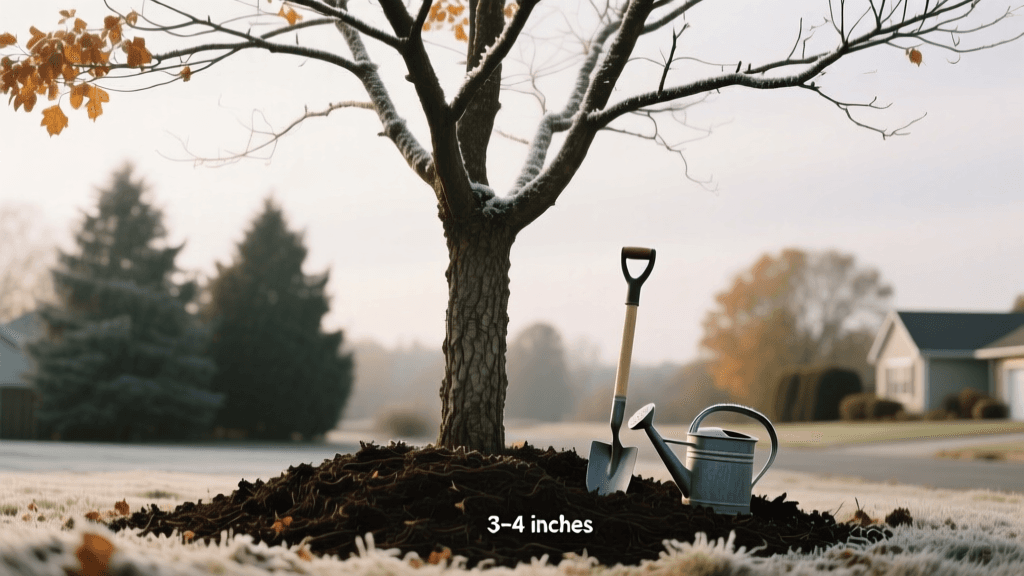
- Proper Mulching: Apply a 2 to 4-inch layer of organic wood chip mulch over the root zone. Mulch decomposes slowly, releasing mild organic acids that naturally lower soil pH over time. Keep the mulch at least 3 inches away from the trunk flare to prevent 'volcano mulching,' which causes trunk rot.
- Smart Watering: Saturated soils lack oxygen, which kills the fine, hair-like feeder roots responsible for absorbing iron. Water deeply but infrequently. Use a soil moisture meter to ensure the top 6 inches of soil dry out slightly between watering sessions.
- Avoid Phosphorus Overload: High levels of soil phosphorus can chemically bind with iron, creating iron phosphate, which is entirely unavailable to the tree. Avoid using high-phosphorus 'bloom booster' fertilizers near chlorotic trees.
Conclusion
Iron chlorosis is a formidable adversary for landscape trees, but it is entirely manageable with the right diagnostic approach. By confirming your soil pH, utilizing fast-acting foliar sprays for immediate relief, and committing to long-term soil acidification or professional trunk injections, you can restore your tree's vibrant green canopy. Consistent monitoring and proper cultural care will ensure your trees thrive for decades, even in challenging alkaline soils.