Tree Care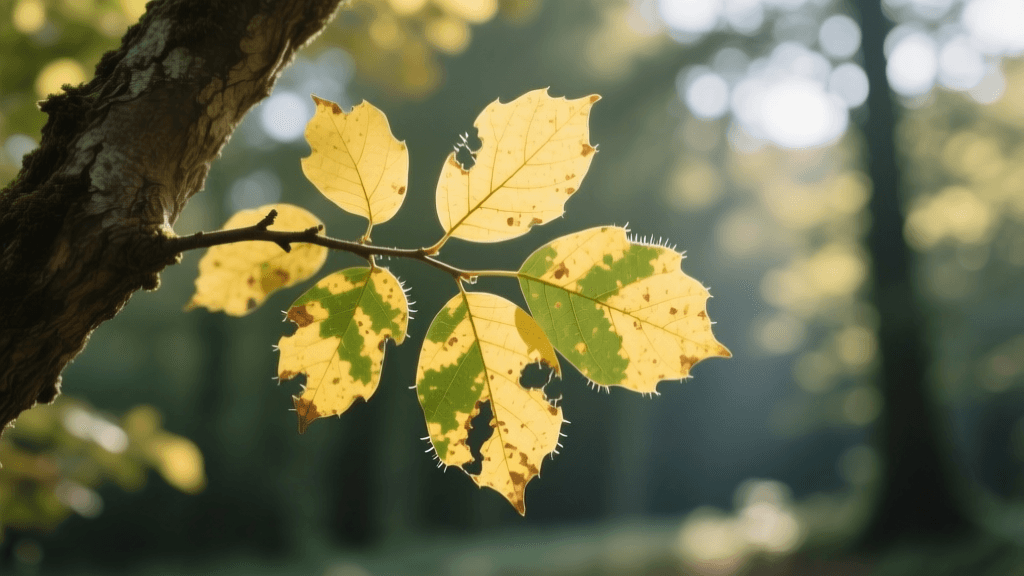
Diagnosing Tree Chlorosis: How to Fix Yellowing Leaves
Understanding Tree Chlorosis: The Yellowing Canopy Crisis
When the vibrant green canopy of your favorite oak, maple, or birch begins to fade into a sickly pale yellow, it is natural to panic. This condition, known as chlorosis, is not a disease itself but rather a symptom of an underlying physiological problem. Chlorosis occurs when leaves fail to produce sufficient chlorophyll, the pigment responsible for capturing sunlight and driving photosynthesis. Without adequate chlorophyll, the tree starves, leading to stunted growth, premature leaf drop, branch dieback, and eventually, the death of the tree if left untreated.
As a homeowner or landscape, your first instinct might be to dump generic fertilizer at the base of the trunk. However, this is rarely the solution and can sometimes exacerbate the problem. Effective troubleshooting requires a systematic approach to identify whether the yellowing is caused by nutrient deficiencies, soil pH imbalances, poor drainage, or root damage. In this comprehensive diagnostic guide, we will break down the exact steps to identify the culprit behind your tree's yellowing leaves and provide actionable, science-backed treatments to restore its health.
The Troubleshooting Flowchart: Identifying the Culprit
Before purchasing any treatments, you must play detective. The pattern of yellowing on the leaves provides the first major clue. Nutrient mobility within the plant dictates where symptoms appear first. Mobile nutrients (like nitrogen and magnesium) can be relocated by the tree from older leaves to support new growth, meaning deficiencies show up on older, lower leaves first. Immobile nutrients (like iron and manganese) cannot be moved once deposited, so deficiencies manifest on the newest leaves at the tips of the branches.
| Symptom Pattern | Probable Cause | Affected Area | Soil Test Indicator |
|---|---|---|---|
| Interveinal chlorosis (green veins, yellow tissue) | Iron or Manganese Deficiency | Newest leaves (branch tips) | pH > 7.0 or low organic matter |
| Uniform yellowing of entire leaf | Nitrogen Deficiency or Water Stress | Older leaves (lower canopy) | Low Nitrogen or extreme moisture |
| Yellowing with brown, necrotic margins | Potassium Deficiency or Drought | Older leaves, leaf edges | Low Potassium, sandy soils |
| Yellowing accompanied by wilting | Root Rot or Girdling Roots | Entire canopy or isolated branches | Poor drainage, compacted soil |
Core Causes and Diagnostic Steps
1. High Soil pH (Alkalinity) and Nutrient Lockout
The most common cause of interveinal chlorosis in landscape trees is not a lack of iron in the soil, but rather the soil's inability to release it. According to the University of Minnesota Extension, iron chlorosis is most prevalent in soils with a pH above 7.0. In alkaline conditions, iron oxidizes into a form that tree roots simply cannot absorb. This is incredibly common in regions with heavy clay soils or where construction debris (like limestone or concrete runoff) has raised the soil pH. To diagnose this, purchase a digital soil pH meter or send a core sample to your local university extension office. If your pH is 7.5 or higher, iron lockout is almost certainly your primary issue.
2. Soil Compaction and Poor Drainage
Tree roots require a delicate balance of water and oxygen. When soil becomes heavily compacted—often due to foot traffic, heavy machinery, or natural clay composition—the pore spaces that hold oxygen collapse. Without oxygen, the fine feeder roots suffocate and die, rendering them incapable of absorbing water or nutrients, even if those nutrients are abundant. To test for drainage issues, dig a hole 12 inches deep and 12 inches wide near the tree's drip line. Fill it with water and let it drain completely. Then, fill it a second time. If the water level drops less than 1 inch per hour, you have a severe drainage and compaction problem contributing to the chlorosis.
3. Girdling Roots and Improper Planting Depth
If only one side of the tree is yellowing, or if the tree shows a general, slow decline over several years, suspect root issues. Trees planted too deeply (where the root flare is buried under soil or mulch) or trees that have developed girdling roots (roots that circle the trunk and choke the vascular system) cannot transport nutrients from the soil to the canopy. Carefully excavate the soil around the base of the trunk using a hand trowel or an air-spade. The root flare—the point where the trunk widens and transitions into roots—must be visible at grade level. If you find roots wrapping tightly around the trunk, they must be carefully pruned by a certified arborist.
Actionable Treatment Protocols
Once you have identified the root cause, you can implement targeted treatments. Treating chlorosis requires a multi-pronged approach, combining short-term symptom relief with long-term soil management.
Short-Term Relief: Foliar Sprays
For immediate cosmetic relief during the growing season, foliar sprays can provide a quick green-up. Products containing chelated iron or iron sulfate (such as Bonide Liquid Iron or Ferti-lome Chelated Liquid Iron) can be sprayed directly onto the leaves. Application Tip: Mix according to the label (usually 1 to 2 tablespoons per gallon of water) and spray in the early morning or late evening to prevent leaf burn. While effective within 10 to 14 days, foliar sprays are a temporary band-aid; they do not correct the underlying soil issue and must be reapplied as new leaves emerge.
Medium-Term Correction: Soil Drenches
Applying chelated iron directly to the soil is more effective than foliar sprays, but the type of chelate matters immensely. As noted by Colorado State University Extension, using the correct chelate is vital; Fe-EDTA breaks down rapidly in high pH soils, rendering it useless. For alkaline soils (pH 7.0 to 8.5), you must use a chelate containing Fe-EDDHA (such as Sequestrene 138 or Miller's Ferriplus). Apply the soil drench in early spring just as buds are breaking. Dig a shallow trench around the drip line of the tree, apply the dissolved chelate, and water it in deeply. This treatment typically lasts for one to two growing seasons.
Long-Term Solutions: Trunk Injections and Soil Amendment
For large, mature trees where soil drenches are impractical or ineffective, trunk injections are the gold standard. The University of Wisconsin-Madison Extension recommends trunk injections for large, severely affected trees, utilizing systemic products like Arborjet TREE-age or QUIK-jet. These must be administered by a licensed arborist using specialized drilling and injection equipment to avoid causing structural damage to the tree. The results can last for two to three years.
Simultaneously, you must work to lower the soil pH over time. Apply elemental sulfur to the soil surface at a rate of 1 to 2 pounds per 100 square feet to lower the pH by roughly one point. Because sulfur relies on soil bacteria to convert it into sulfuric acid, this is a slow process that can take 6 to 12 months to show results, making it a long-term strategy rather than a quick fix.
Cultural Practices: Relieving Compaction
If poor drainage and compaction are the primary drivers of your tree's chlorosis, no amount of iron will save it unless you restore oxygen to the root zone. Implement radial trenching or vertical mulching. Using a 2-inch auger, drill holes 12 to 18 inches deep in a grid pattern starting 3 feet from the trunk and extending out to the drip line. Fill these holes with a mixture of coarse sand, compost, and slow-release organic fertilizer. This technique creates permanent channels for water, oxygen, and nutrients to reach the suffocating feeder roots.
Cost Breakdown and Product Recommendations
- Foliar Iron Sprays: $15 - $25 per bottle. Best for small trees and immediate, temporary cosmetic fixes.
- Fe-EDDHA Soil Chelates: $40 - $80 per pound. Highly effective for soil drenches in alkaline environments. One pound can treat a medium-sized tree.
- Elemental Sulfur: $20 - $30 for a 40 lb bag. Essential for long-term pH reduction.
- Professional Trunk Injections: $200 - $600+ depending on trunk diameter. Required for massive oaks or maples where soil treatments cannot penetrate the root mass fast enough.
- Air-Spade Root Excavation: $300 - $800. Necessary if girdling roots or deep planting is diagnosed as the primary cause of nutrient transport failure.
Preventative Care for Long-Term Tree Health
Preventing chlorosis is always more cost-effective than treating it. When planting new trees, always select species that are naturally adapted to your local soil pH. If you have highly alkaline soil, avoid planting pin oaks, river birches, or red mapons, which are notoriously susceptible to iron chlorosis. Instead, opt for tolerant species like bur oaks, ginkgos, or hackberries. Furthermore, maintain a 2-to-3-inch layer of organic wood mulch extending out to the drip line to regulate soil temperature, retain moisture, and slowly add organic matter that naturally buffers soil pH and improves microbial activity. By combining proper species selection with proactive soil management, you can ensure your landscape trees maintain a vibrant, healthy green canopy for decades.