
Landscaping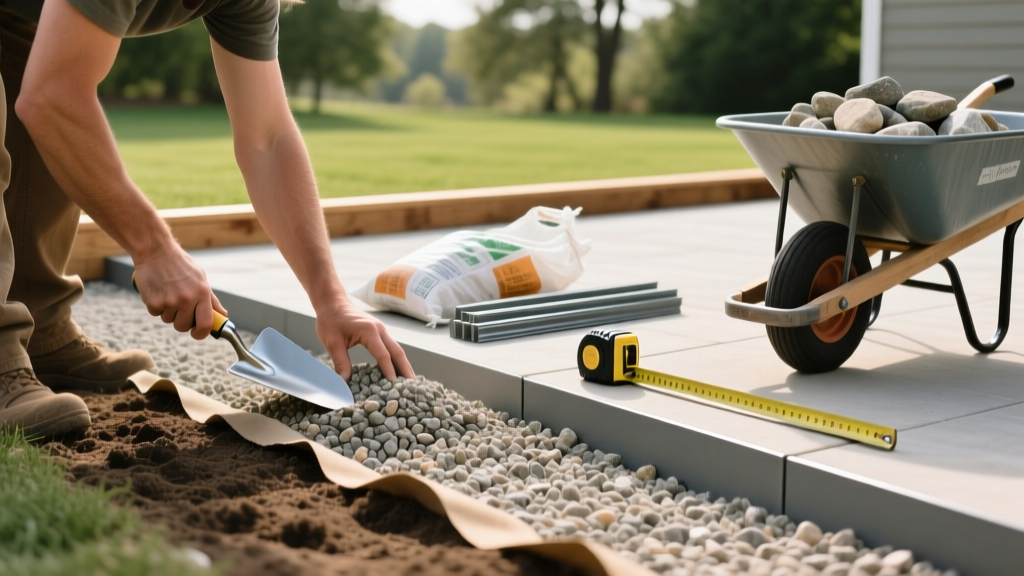
Budget-Friendly DIY Gravel Patio: Step-by-Step Guide
David ParkPublished
The Ultimate Budget-Friendly Hardscaping Project
Transforming your backyard into a functional outdoor living space does not require a massive budget or a professional landscaping crew. If you are looking for a high-impact, low-cost hardscaping project, a DIY gravel patio is the undisputed champion. Not only does it provide a beautiful, rustic area for patio furniture and fire pits, but it also offers superior drainage compared to solid surfaces. According to the Environmental Protection Agency (EPA), permeable surfaces like gravel patios are excellent green infrastructure solutions that reduce stormwater runoff, filter pollutants, and replenish local groundwater.
Whether you want a cozy 10x10 foot reading nook or a sprawling 15x20 foot entertainment zone, this comprehensive guide will walk you through the planning, material selection, and step-by-step installation of a budget-friendly gravel patio. With a typical timeline of one to two weekends and a fraction of the cost of concrete, this project is accessible to DIYers of all skill levels.
Cost Comparison: Gravel vs. Traditional Hardscaping
Before grabbing a shovel, it is helpful to understand exactly how much money you are saving. Traditional hardscaping materials require extensive sub-base preparation, specialized cutting tools, and often professional installation to ensure longevity. Gravel eliminates the need for mortar, wet saws, and concrete mixing.
| Material | Avg. Cost per Sq. Ft. | DIY Difficulty | Estimated Lifespan |
|---|---|---|---|
| Poured Concrete | $10 - $15 | High | 25-50 Years |
| Paving Stones | $15 - $25 | Medium-High | 25+ Years |
| Stamped Concrete | $12 - $20 | Expert Only | 25-30 Years |
| Gravel Patio | $2 - $5 | Low-Medium | 10-15+ Years (with top-ups) |
For a standard 100-square-foot patio (10x10 feet), a poured concrete slab might cost upwards of $1,200 if professionally installed. In contrast, a high-quality DIY gravel patio using premium decomposed granite and steel edging can be completed for roughly $250 to $400, including tool rentals.
Planning and Site Preparation
Proper planning is the difference between a patio that lasts a decade and one that turns into a muddy, weed-filled depression after the first spring rain. Begin by marking your desired patio dimensions using wooden stakes and mason's line. For a standard seating area, a 12x12 foot space is usually sufficient to accommodate a dining table and four chairs with room to pull the chairs back.
Crucial Safety Step: Before you break ground, you must contact your local utility locating service. In the United States and Canada, dialing 811 connects you to the Common Ground Alliance network. This free service ensures that underground gas, water, and electrical lines are marked with paint or flags. Never skip this step; striking a utility line is dangerous and financially devastating.
Choosing the Right Gravel and Edging
Not all gravel is created equal. The wrong choice can lead to shifting stones that make walking difficult or dragging furniture a nightmare. The National Association of Landscape Professionals (NALP) emphasizes the importance of using angular aggregates for high-traffic areas because the sharp edges lock together when compacted, creating a stable, almost concrete-like surface.
| Gravel Type | Best Use Case | Pros | Cons |
|---|---|---|---|
| Pea Gravel | Decorative borders, low-traffic paths | Smooth, attractive, cheap | Shifts underfoot, terrible for furniture |
| Decomposed Granite (DG) | Patios, walkways, seating areas | Compacts tightly, natural look | Can track indoors, needs stabilizer |
| 3/4' Minus Crushed Rock | Base layers, heavy-duty driveways | Excellent drainage, locks tightly | Rough texture, less decorative |
Edging is Non-Negotiable: To keep your gravel contained and prevent soil erosion from undermining your patio, you must install edging. For a budget-friendly but highly durable option, use steel landscape edging (such as Vigoro or Dimex steel edging kits). Steel provides a clean, modern line and can be bent to accommodate curves. Alternatively, pressure-treated timber or composite bender board works well for straight, rustic designs.
Essential Tools and Materials List
For a 10x10 foot patio, you will need the following materials and tools. Prices are estimates based on national averages at major home improvement stores.
- 3/4-inch Minus Crushed Rock (Base): ~1.5 cubic yards ($60-$90)
- Decomposed Granite or 1/4-inch Crushed Gravel (Top Layer): ~1 cubic yard ($80-$120)
- Heavy-Duty Landscape Fabric: 1 roll, 3x50 ft (e.g., Mirafi or WeedBlock Pro) ($40)
- Steel Landscape Edging & Stakes: 40 linear feet ($60)
- Tools: Flat spade, digging bar, steel rake, 4-foot level, rubber mallet.
- Rental: Hand tamper (free/cheap) or Plate Compactor rental (~$60/day).
Step-by-Step Installation Guide
Step 1: Excavation and Grading (Day 1)
Using your marked mason's line as a guide, excavate the entire patio area to a depth of 5 to 6 inches. This depth allows for a 3-inch compacted base layer, a 2-inch top layer of decorative gravel, and a half-inch buffer below your surrounding lawn level to prevent gravel migration. As you dig, use a 4-foot level to ensure a slight slope of 1/8 inch per foot away from your home's foundation to guarantee proper water runoff.
Step 2: Install the Edging
Before laying down your base rock, install your perimeter edging. Dig a narrow trench along the perimeter and slide the steel edging into place. Secure it with the provided steel stakes, driving them down with a sledgehammer or rubber mallet until the top of the edging is roughly half an inch below your desired final gravel height. This hidden edge creates a seamless, professional look.
Step 3: Lay the Weed Barrier
Unroll your heavy-duty, permeable landscape fabric over the excavated soil. Do not use cheap, solid plastic sheeting; plastic traps water, creates a muddy slip-and-slide effect, and kills beneficial soil microbes. Overlap the seams of your fabric by at least 6 inches and secure the edges with landscape fabric staples (garden pins) every 3 feet to prevent it from shifting during the next steps.
Step 4: Build and Compact the Base Layer
Shovel your 3/4-inch minus crushed rock base into the patio area to a depth of about 3 to 4 inches. Spread it evenly with a steel landscaping rake. This layer is the structural foundation of your patio. Renting a mechanical plate compactor is highly recommended here, as it vibrates the angular stones together, locking them into a dense, unyielding matrix. If you are on a strict budget, a manual hand tamper will work, but be prepared for a strenuous workout and multiple passes to achieve adequate compaction.
Step 5: Add the Top Layer of Gravel (Day 2)
Once the base is rock-solid, dump your decorative top layer (such as Decomposed Granite or 1/4-inch crushed stone) over the compacted base. Spread it to a uniform depth of 1.5 to 2 inches. If you are using DG, lightly mist it with a garden hose and run the plate compactor over it one final time. The moisture helps the fine granite dust bind together, creating a firm surface that resists footprints and chair legs. Allow it to cure and dry for 24 to 48 hours before placing heavy furniture on it.
Long-Term Maintenance and Eco-Benefits
One of the greatest advantages of a gravel patio is its low maintenance profile. Unlike concrete, which can crack due to frost heave or tree root growth, gravel simply shifts. If a depression forms, you merely rake it level and add a fresh bag of gravel. To maintain the pristine look of your patio, give it a light raking every spring to redistribute the stones and fluff the surface. For weed control, an occasional application of a natural horticultural vinegar spray or a targeted pre-emergent granular weed preventer will keep organic matter from taking root.
Furthermore, by choosing a DIY gravel patio, you are actively contributing to a healthier local ecosystem. The permeable nature of the stones allows rainwater to percolate back into the earth, reducing the strain on municipal storm drains and preventing the erosion of local waterways. It is a landscaping win-win: you save hundreds of dollars, gain a beautiful outdoor retreat, and practice sustainable yard management all in a single weekend.

