Gardening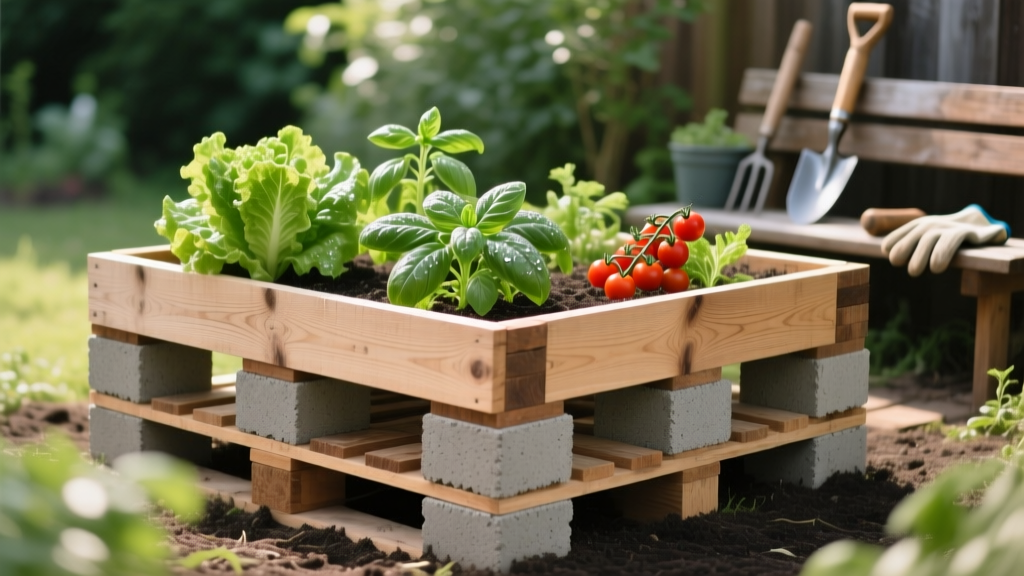
DIY Budget Raised Garden Beds: Upcycled Materials Guide
Sarah ChenPublished
The Rising Cost of Gardening and the Upcycling Solution
Gardening is a deeply rewarding endeavor that connects you to nature, provides fresh produce, and beautifies your outdoor space. However, the startup costs for constructing raised garden beds can quickly derail a tight household budget. With premium lumber prices fluctuating and bagged organic soils costing a small fortune, many aspiring gardeners feel priced out before they even plant their first seed. Fortunately, the DIY upcycling movement offers a brilliant, sustainable workaround. By repurposing free or low-cost materials like wooden shipping pallets and concrete cinder blocks, you can build durable, highly productive raised garden beds for a fraction of the retail price.
According to the University of Minnesota Extension, raised beds are highly recommended for home gardeners because they improve soil drainage, warm up faster in the spring, and reduce soil compaction. But achieving these benefits does not require spending hundreds of dollars at the lumber yard. In this comprehensive guide, we will explore how to source materials safely, construct two different types of upcycled beds, and fill them using a budget-friendly soil layering technique.
Traditional vs. Upcycled Raised Beds: A Cost Comparison
Before diving into the construction process, it is helpful to understand the financial impact of your material choices. Below is a cost comparison for building a standard 4-foot by 8-foot raised garden bed with a 12-inch depth.
| Material Type | Estimated Material Cost | Estimated Lifespan | DIY Skill Level Required |
|---|---|---|---|
| New Cedar Lumber (2x6 boards) | $150 - $250 | 10 - 15 Years | Intermediate (Requires cutting and drilling) |
| Galvanized Steel Kits | $100 - $180 | 15 - 20 Years | Beginner (Simple assembly) |
| Upcycled Wooden Pallets | $0 - $20 (Hardware only) | 3 - 5 Years | Intermediate (Requires dismantling) |
| Concrete Cinder Blocks | $35 - $50 | Lifetime | Beginner (No tools required for assembly) |
As the chart illustrates, upcycled materials offer massive savings. While a pallet bed may not last as long as cedar, the near-zero upfront cost makes it an excellent entry point for new gardeners.
Sourcing Materials Safely and Cheaply
The most critical step in upcycling is ensuring your materials are safe for growing food. Not all pallets are created equal. When sourcing pallets from local hardware stores, garden centers, or distribution warehouses, you must inspect them for the IPPC (International Plant Protection Convention) stamp.
- HT (Heat Treated): This is the gold standard for garden use. It means the wood was heated to a specific temperature to kill pests, without the use of harmful chemicals.
- KD (Kiln Dried): Also safe and often used in conjunction with heat treatment.
- MB (Methyl Bromide): Avoid at all costs. This indicates the wood was fumigated with a highly toxic pesticide that can leach into your soil and contaminate your vegetables.
When sourcing wood, always look for the 'HT' stamp to avoid toxic chemicals, a safety standard heavily emphasized by the Oregon State University Extension. Additionally, never use pallets that are heavily stained, smell of chemicals, or have been used to transport food products, as they may harbor dangerous bacteria or unknown chemical spills.
Project 1: The DIY Pallet Raised Bed
Building a raised bed from pallets requires a bit of elbow grease, but the results are rustic, charming, and incredibly cheap. Standard pallets measure 40 by 48 inches, making them perfectly sized for a garden bed that is exactly 4 feet wide—the ideal width for reaching the center of the bed without stepping on the soil.
Essential Tools Required
- Reciprocating saw (Sawzall) with a bi-metal demolition blade
- Cordless drill with a magnetic bit holder
- 2.5-inch and 3-inch exterior-grade deck screws
- Heavy-duty landscaping fabric and a staple gun
- Measuring tape, carpenter's square, and a level
Step-by-Step Construction
- Dismantle the Pallets: You will need 3 to 4 standard HT pallets. Instead of using a pry bar (which often splits the brittle pallet wood), slide the reciprocating saw blade between the support blocks and the slats to cut the nails. This saves hours of frustration and preserves the wood.
- Cut to Uniform Height: Decide on your bed depth. A 12-inch depth is perfect for most vegetables. Measure and cut your pallet slats to 12 inches in length.
- Build the Frame: Use the thick 3.5-inch support blocks from the pallets as your corner posts. Stand them upright at your four corners, ensuring they are perfectly square using your carpenter's square.
- Attach the Slats: Screw the 12-inch slats horizontally into the corner posts using your 2.5-inch exterior screws. Leave a tiny gap (about 1/8 inch) between each slat for natural wood expansion and drainage.
- Line the Interior: Staple heavy-duty landscaping fabric to the inside walls and floor of the bed. This prevents soil from washing out through the slat gaps while allowing excess water to drain freely.
Project 2: The No-Build Cinder Block Bed
If you lack power tools or simply want a weekend project that takes less than an hour, cinder blocks are the ultimate budget-friendly solution. Standard concrete blocks measure 8x8x16 inches and typically cost around $2.50 each at local hardware stores.
Layout and Assembly
To build a 4x8 foot bed, you will need approximately 14 to 16 blocks. First, clear the area of grass and use a rake to level the soil as much as possible. Lay your first row of blocks end-to-end. For a 4x8 rectangle, place 6 blocks along the long sides and 2 blocks along the short sides, allowing the long blocks to overlap the short ones at the corners for stability.
If you want a deeper bed for root vegetables like carrots or parsnips, simply stack a second layer of blocks on top of the first. Always stagger the joints (like bricklaying) on the second layer to lock the structure together and prevent it from bowing outward under the weight of wet soil.
Companion Planting in the Block Cavities
One of the most unique advantages of a cinder block bed is the built-in planting pockets. The hollow cavities at the top of the blocks heat up quickly in the sun, creating a microclimate perfect for heat-loving, trailing herbs and companion plants.
Pro Tip: Fill the cinder block holes with a high-quality potting mix and plant trailing nasturtiums, creeping thyme, or bush marigolds. These plants will cascade beautifully down the concrete sides while actively deterring pests like aphids and cabbage worms from your main vegetable crop.
Budget Soil Filling: The Hugelkultur Method
The most expensive part of building a raised bed is not the wood or the blocks; it is the soil. A standard 4x8 foot bed that is 12 inches deep requires 32 cubic feet of soil. If you purchase premium bagged raised bed mix at $15 per 1.5 cubic foot bag, you will spend over $300 just to fill a single bed! To maintain our budget-friendly ethos, we will use the Hugelkultur method to reduce soil costs by up to 70%.
Hugelkultur is a traditional German gardening technique that involves burying rotting wood and organic matter beneath the topsoil. As the wood decomposes, it acts like a sponge, retaining moisture and slowly releasing nutrients into the root zone for years.
Layering Your Budget Bed
- The Base Layer (6 inches): Fill the bottom third of your bed with decaying logs, thick branches, and twigs gathered from your yard. Avoid using black walnut or cedar branches, as they contain natural compounds that can inhibit the growth of certain vegetables.
- The Middle Layer (3 inches): Add a thick layer of nitrogen-rich organic matter. This includes autumn leaves, grass clippings, straw, and even shredded cardboard. This layer will break down relatively quickly, feeding the soil microbiome.
- The Top Layer (6 inches): Cap the bed with a 50/50 mix of high-quality compost and affordable bulk topsoil. This is the only layer you need to purchase, and because you are only filling the top half of the bed, your costs are slashed dramatically.
Utilizing yard waste in this manner is not only a massive money-saver but also an environmental win. The Environmental Protection Agency (EPA) notes that composting and repurposing organic yard waste significantly reduces landfill contributions while creating a nutrient-rich soil amendment that improves soil structure and water retention.
Long-Term Maintenance and Crop Rotation
Upcycled beds require slightly different maintenance than traditional cedar beds. Because pallet wood will eventually succumb to rot after 3 to 5 seasons, it is important to monitor the structural integrity of the screws and corner posts annually. You can extend the life of a pallet bed by brushing the exterior with raw linseed oil (a natural, non-toxic wood preservative) every spring.
For cinder block beds, the concrete will last a lifetime, but the soil level will drop significantly after the first year as the Hugelkultur base layer decomposes and settles. This is completely normal. Each spring, simply top off your bed with 2 to 3 inches of fresh homemade compost to maintain the soil level and replenish nutrients.
Finally, practice strict crop rotation. Because raised beds are confined spaces, planting heavy feeders like tomatoes or brassicas in the exact same spot year after year will quickly deplete the soil and invite soil-borne diseases. Rotate your crops annually, following heavy feeders with nitrogen-fixing legumes like bush beans or peas to naturally restore soil fertility without the need for expensive synthetic fertilizers.
Conclusion
Creating a thriving vegetable garden does not require a massive financial investment. By thinking creatively and utilizing upcycled materials like HT-stamped pallets and concrete cinder blocks, you can build beautiful, highly functional raised beds on a shoestring budget. Combine these low-cost structures with the Hugelkultur soil-filling method, and you will have a resilient, moisture-retentive garden ready to produce a bountiful harvest for pennies on the dollar. Grab your work gloves, source your materials, and start building your budget-friendly garden oasis today.
