Gardening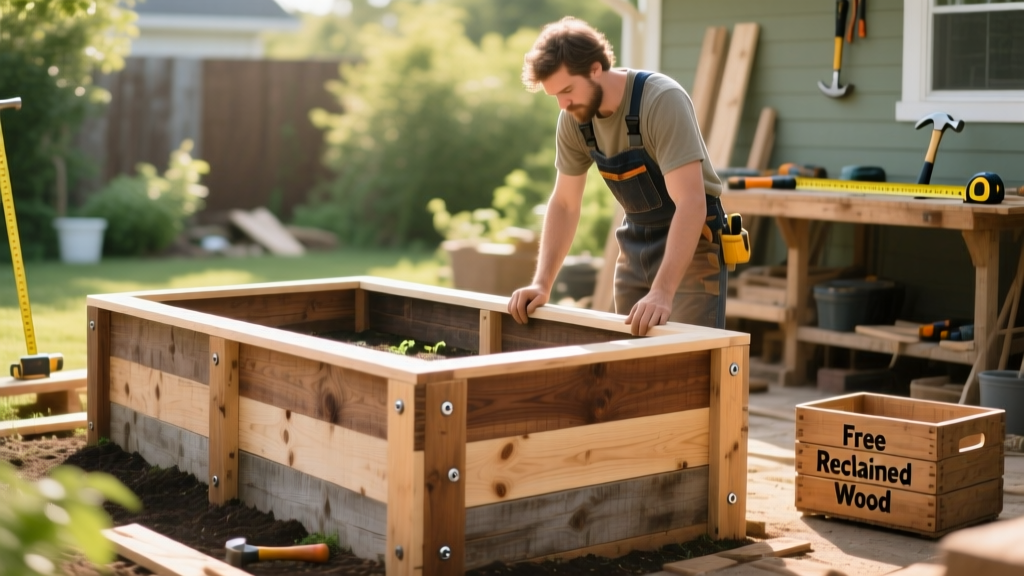
Build Budget Raised Garden Beds Using Reclaimed Wood
Lisa ThompsonPublished
The Financial Barrier to Entry in Gardening
Gardening is an incredibly rewarding endeavor that provides fresh produce, beautiful blooms, and a deep connection to nature. However, the initial setup costs can be a significant barrier for many aspiring gardeners. A standard 4x8 foot raised garden bed constructed from new, untreated cedar lumber can easily cost upwards of $150 to $200 just for the wooden frame. When you factor in the cost of hardware, weed barriers, and the massive volume of soil required to fill the bed, the price tag can quickly exceed $400 per bed. For those looking to grow their own food or cultivate a vibrant flower garden on a strict budget, these costs can be prohibitive.
Fortunately, there is a highly effective, eco-friendly, and budget-conscious alternative: building raised beds using reclaimed wood. By upcycling materials that would otherwise end up in a landfill, you can construct durable, attractive, and entirely functional garden beds for a fraction of the retail cost. According to the University of Minnesota Extension, raised beds offer numerous benefits, including improved soil drainage, earlier soil warming in the spring, and reduced weed pressure. Achieving these benefits does not require a massive financial investment if you know where to source materials and how to build safely.
Sourcing Safe Reclaimed Lumber
When building edible garden beds, safety is paramount. Not all reclaimed wood is suitable for growing food, as some lumber is treated with toxic chemicals that can leach into the soil and be absorbed by plant roots. Before you pick up free wood from a construction site or a local hardware store, you must understand how to identify safe materials.
'Upcycling wood for garden beds is a fantastic way to reduce waste, but gardeners must be vigilant about avoiding wood treated with creosote, chromated copper arsenate (CCA), or lead-based paints, as these pose severe risks to soil health and human safety.'
Understanding Pallet Stamps
Shipping pallets are the most common source of free reclaimed wood. However, you must check the IPPC stamp on the pallet to determine how it was treated. Look for the letters HT (Heat Treated), which means the wood was heated to kill pests and is perfectly safe for garden use. Avoid pallets stamped with MB (Methyl Bromide), a highly toxic pesticide that can off-gas and contaminate your soil.
| Wood Source | Estimated Cost | Safety for Edibles | Estimated Lifespan |
|---|---|---|---|
| HT Pallets (Heat Treated) | Free - $10 | Safe | 3 - 5 Years |
| Untreated Barn Wood | Free - $20 | Safe (Test for Lead Paint) | 5 - 8 Years |
| Railroad Ties | $15 - $30 | Unsafe (Creosote) | 15+ Years |
| Old Pressure-Treated (Pre-2004) | Free | Unsafe (CCA / Arsenic) | 10+ Years |
| Reclaimed Cedar/Redwood | $20 - $50 | Safe | 10 - 15 Years |
Furthermore, the Environmental Protection Agency (EPA) strongly warns against reusing painted wood from older homes or structures built before 1978, as the paint may contain lead. If you are using reclaimed barn wood or fencing, always use a cheap, over-the-counter lead testing swab to ensure the wood is safe for growing vegetables.
Essential Tools and Hardware
Building a 4x8 foot raised bed from pallets or reclaimed fencing requires minimal tools. You likely already have most of these in your garage:
- Circular Saw or Handsaw: For cutting pallets and boards to length.
- Power Drill: Essential for driving screws and pre-drilling holes to prevent splitting.
- 3-Inch Exterior Wood Screws: Do not use drywall screws, as they will rust and snap when exposed to moisture and soil pressure.
- Scrap 2x4 or 4x4 Blocks: For corner bracing (often available for free in the cull lumber bin at hardware stores).
- Tape Measure, Level, and Mallet: For ensuring your bed is square and sits evenly on the ground.
- Pry Bar and Hammer: If you are dismantling whole pallets.
Step-by-Step Construction Guide
The Old Farmer's Almanac recommends a maximum width of 4 feet for raised beds. This ensures you can easily reach the center of the bed from either side without stepping on the soil, which prevents compaction and maintains healthy root environments.
Step 1: Dismantling and Milling
If you are using pallets, carefully pry the slats off the main stringers using a pry bar. Remove all nails and staples. You will need enough slats to create a wall that is at least 10 to 12 inches high. This usually means stacking two or three pallet slats horizontally on each side.
Step 2: Cutting the Corner Braces
Cut four pieces of scrap 4x4 or doubled-up 2x4 lumber to a length of 10 inches. These will serve as the internal corner posts that hold the long and short sides of your bed together.
Step 3: Assembling the Long Sides
Lay out your 8-foot boards or pallet slats. Place a corner brace flush with the end of the wood. Pre-drill two holes through the slat and into the corner brace to prevent the reclaimed wood from splitting, then drive your 3-inch exterior screws in. Repeat this for the top, middle, and bottom slats on both 8-foot sides.
Step 4: Attaching the Short Sides
Stand the long sides up and position the 4-foot slats between the corner braces. Secure them with screws. Use your level to ensure the corners are perfectly square before driving the final screws.
Step 5: Securing the Bed to the Ground
To prevent the bed from bowing outward over time, drive 2-foot lengths of rebar or sturdy wooden stakes into the ground on the inside of the bed, spacing them every 3 feet along the 8-foot sides. Screw the wooden slats directly into these stakes for added structural integrity.
Budget Soil Filling: The Hugelkultur Method
A 4x8 foot bed that is 12 inches deep holds exactly 32 cubic feet of soil. Purchasing bagged raised bed mix from a garden center can cost $5 to $8 per cubic foot, meaning you could spend over $200 just to fill a single DIY bed. To maintain our budget-friendly approach, we will use a combination of the Hugelkultur method and bulk soil mixing.
What is Hugelkultur?
Hugelkultur is a traditional German horticultural technique that involves burying rotting wood and organic debris beneath the soil. As the wood decomposes, it acts like a sponge, retaining moisture and slowly releasing nutrients into the root zone. By filling the bottom 30% to 40% of your raised bed with free yard waste, you drastically reduce the amount of soil you need to buy.
The Budget Layering Guide
- Base Layer (Bottom 4 Inches): Gather fallen branches, twigs, and untreated wood chunks from your yard or a neighbor's tree trimming pile. Lay them at the bottom of the bed. Avoid using wood from black walnut or cedar trees, as they contain natural compounds that can inhibit the growth of certain vegetables.
- Organic Matter Layer (Next 3 Inches): Add a thick layer of dried leaves, grass clippings, straw, or shredded cardboard. This layer will break down quickly and feed the soil microbiome.
- Soil Layer (Top 5 Inches): Fill the remaining space with a high-quality, budget-friendly soil mix. Instead of expensive bagged soils, order a bulk delivery of a 50/50 topsoil and compost mix from a local landscape supply yard. A cubic yard of bulk soil typically costs between $30 and $50, which is enough to fill nearly three 4x8 beds when combined with the Hugelkultur base.
Protecting Your Reclaimed Wood Investment
Because reclaimed wood like pine pallets lacks the natural rot-resistance of cedar or redwood, it will eventually succumb to moisture and decay. To extend the lifespan of your budget raised beds, treat the exterior wood annually with raw linseed oil. Raw linseed oil is a natural, non-toxic wood preservative that repels water and prevents the wood from drying out and cracking. Simply brush a generous coat onto the exterior of the bed using a rag, let it soak in for a few hours, and wipe away the excess. Do this in the spring before planting, and your reclaimed wood beds will easily last for many growing seasons.
Conclusion
Building a thriving garden does not require an expansive budget or expensive materials. By utilizing safe, reclaimed wood and employing smart soil-filling techniques like Hugelkultur, you can create beautiful, productive raised beds for a fraction of the traditional cost. Not only will you save hundreds of dollars, but you will also be participating in a sustainable cycle of upcycling, turning discarded materials into a bountiful harvest of fresh vegetables and vibrant flowers.
